

A heavy rain shouldn’t mean a flooded basement. But for many Halifax homeowners, that’s exactly what happens — and the damage adds up fast.
If your home was built between the 1970s and 2000, there’s a good chance your basement wasn’t designed with today’s water management needs in mind. Maybe you’ve noticed some dampness after a hard storm, or there’s a smell you can’t quite place. This post covers what a sump pump does, the warning signs that tell you it’s time to act, what the installation process looks like, and how Solutions Heating & Cooling can help Halifax homeowners get it done right.
Signs You Need a Sump Pump Installed
If any of these sound familiar, your basement may already be telling you it needs help:
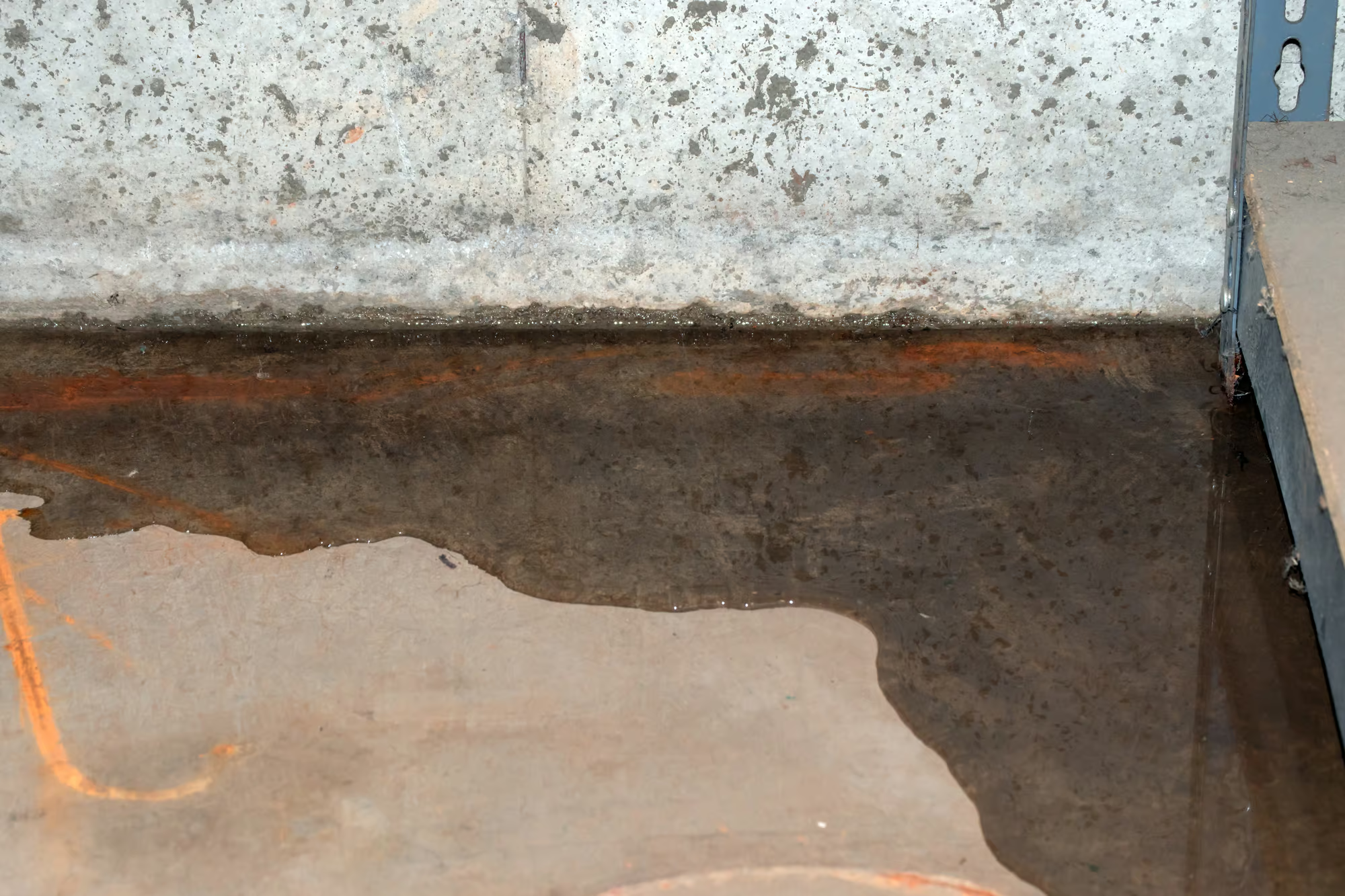
- Water pooling on your basement floor after rain
- Musty smell or visible mold along basement walls
- Efflorescence (white mineral deposits) on foundation walls
- Basement walls showing cracks or water stains
- Sump pit already present but no pump installed
- Yard slopes toward your home’s foundation
If you’re checking off more than one of those, it’s worth getting a professional set of eyes on your basement sooner rather than later.
How a Sump Pump Actually Works
A sump pump is pretty straightforward once you understand the basic idea. Water that seeps into your basement collects in a pit — called a sump basin — that’s dug at the lowest point of the floor. When the water reaches a certain level, a float switch (the mechanism that tells the pump when to activate) kicks it on automatically. The pump then pushes water out through a discharge line that routes it away from your home’s foundation.
The system runs on household electricity, which is why a battery backup is a smart addition for rural Halifax homes — it keeps the pump running when the power goes out.

The Real Cost of Ignoring Basement Water Intrusion
Water in your basement isn’t just an inconvenience — it’s a slow-moving problem that gets more expensive the longer it sits.
Moisture doesn’t stay put. What starts on the basement floor works its way into:
- Insulation and subflooring, where mold takes hold and affects the air your family breathes [1] [2]
- Ductwork, which means your HVAC system is distributing that damp air throughout the whole house
- Electrical systems — a serious concern in Halifax homes built in the 1970s and 80s, where aging wiring and water don’t mix
Delayed action almost always means bigger repairs. Mold remediation, structural work, and ductwork replacement can run into thousands of dollars. A sump pump installation is a fraction of that cost.
Sump Pump Installation — What the Process Looks Like
A lot of homeowners put off calling because they’re not sure what they’re signing up for. Here’s what the process actually looks like.
Assessing Your Basement and Water Intrusion Points
Before anything gets installed, a technician walks the basement to identify where water is getting in and how it’s moving. That means checking for low spots, foundation cracks, and signs of hydrostatic pressure — water pushing against your foundation from the outside. [3] That assessment shapes everything that comes after.
Sump Pit Excavation and Pump Placement
The pit gets dug at the lowest point of the basement floor, where water naturally collects. The pump is seated in the pit and the float switch is set to the right activation level for your situation.
Discharge Line Installation
The discharge line routes water away from your foundation and exits through the basement wall or rim joist. Placement matters — it has to be positioned far enough out that water doesn’t cycle back toward the house.
Battery Backup Installation
For Halifax homeowners, this one is just smart. Rural power outages happen during the same storms pushing water toward your foundation. A battery backup keeps the pump running when the grid goes down — exactly when you need it most.
Not sure if your basement needs a sump pump? Call Solutions Heating & Cooling at (434) 404-4461 — we’ll take a look.
Choosing the Right Sump Pump for a Halifax Home
Not every sump pump is the right fit for every basement. Here’s what actually matters:
Submersible vs. pedestal pumps. A submersible pump sits inside the pit and runs quieter. A pedestal pump sits above the pit with the motor out of the water. The right choice depends on your pit size and water volume.
Horsepower. Bigger basement and more water means more horsepower. A professional assessment takes the guesswork out of sizing it correctly.
Battery backup vs. water-powered backup. For rural Halifax homes where storm-related outages are common, battery backup is the right call. Water-powered backups rely on municipal water pressure — not a reliable option out here.
Cast iron vs. plastic construction. If you’re planning to age in place, cast iron holds up better over the long haul. It costs more upfront, but it’s built to last.

Why Halifax Homeowners Trust Solutions Heating & Cooling for Sump Pump Installation
Solutions Heating & Cooling has been serving Halifax and Southside Virginia since 2015. Sump pump installation isn’t a standalone fix here — it’s part of how we look at the whole picture. Basement moisture connects directly to HVAC performance, indoor air quality, and the condition of your ductwork and insulation. A technician who understands all of those systems together is going to catch things a sump pump-only contractor will miss.
One Call Covers More Than Just the Pump
When we come out for a sump pump call, our technicians are trained to spot related issues while they’re there — an aging water heater, moisture damage in the ductwork, an electrical panel that’s showing its age. You don’t have to coordinate between contractors who’ve never met each other. One call handles it.
We’re local, we answer the phone, and we prioritize urgent calls — especially when water is already in the basement.
Ready to Stop Worrying About What’s Coming Through Your Basement Floor?
Water in your basement is not a problem that fixes itself. Whether you’re seeing the early warning signs or dealing with active flooding, Solutions Heating & Cooling has served Halifax homeowners since 2015. One call gets you a real person, an honest assessment, and a team that handles the pump installation and anything else they find. Call us at (434) 404-4461 to schedule your visit.
Sump Pump Installation: Questions Halifax Homeowners Ask
How effective is a sump pump at keeping your basement dry during heavy rain?
A sump pump is one of the most reliable tools available for keeping your basement dry during heavy rain. Water that seeps in collects in a sump pit at the lowest point of the floor, and when it reaches a set level, the pump automatically pushes it out through a discharge line — away from your foundation. For Halifax homes, adding a battery backup makes it effective even during power outages.
What are the signs that my basement needs a sump pump?
Several warning signs indicate your basement may need a sump pump. These include water pooling on the floor after rain, a musty smell or visible mold along the walls, white mineral deposits on your foundation, wall cracks or water stains, a sump pit with no pump already installed, or a yard that slopes toward your home. If you’re noticing more than one of these, it’s time to call a professional. Call us at (434) 404-4461.
What kind of damage can unaddressed basement moisture cause over time?
Unaddressed basement moisture spreads quickly and gets expensive fast. Water works its way into insulation and subflooring where mold takes hold, gets pulled into your ductwork and distributed through the whole house, and creates serious risk in older homes with aging electrical systems. Mold remediation, structural repairs, and ductwork replacement can run into thousands of dollars — far more than the cost of a sump pump installation.
Resources
- https://www.epa.gov/mold/mold-and-health
- https://www.vdh.virginia.gov/environmental-health/public-health-toxicology/mold/
- https://buildingscience.com/documents/digests/bsd-103-understanding-basements