

Water’s spreading across your floor and you don’t know where to start — that’s the moment this guide is for. The first few minutes matter more than anything else, and knowing exactly what to do can turn a scary situation into a manageable one. Here’s what to do first if you’re dealing with a plumbing emergency in Halifax right now, where to find your main shut-off valve, and how to get through the wait until help arrives.
What qualifies as a plumbing emergency?
A plumbing issue counts as an emergency when it threatens property damage, safety, or leaves your home without water. Common examples in Halifax homes include:
- A burst or actively leaking pipe
- A water heater leaking or making unusual noises
- Complete loss of water pressure or water supply
- Sewage backup or an overflowing toilet
- Well pump failure
Immediate Steps for a Burst Pipe or Active Leak
Shut Off Your Main Water Valve
Stop the water at the source first. Find your main shut-off valve and turn it off before doing anything else.
On municipal water, the valve is usually near where the line enters the house — basement, crawl space, or utility closet. On well systems, common throughout Halifax County, it’s typically near the pressure tank.
- Locate the valve handle or wheel
- Turn it clockwise — righty-tighty shuts it off
- Confirm the water’s stopped
Don’t know where yours is? Find it today, before you need it.
Shut Off Power to the Water Heater (If That’s the Source)
If the leak is coming from your water heater, cut power too:
- Electric: Switch off the breaker at your panel
- Gas: Turn the gas valve off near the bottom of the unit
Contain the Damage
- Grab towels, buckets, or a wet/dry vac
- Move furniture and valuables out of the area
- Open a window or run a fan to cut moisture
Water damage claims are among the most common and costly homeowner insurance claims filed each year, according to the Insurance Information Institute. [1] Acting fast in those first few minutes keeps a bad situation from becoming an expensive one.

What to Do If You Suddenly Have No Water
If your water pressure drops or disappears, this usually points to a well pump issue.
Don’t Keep Running Fixtures or Appliances
Resist testing every faucet or running the dishwasher. A struggling pump works harder the more it’s used, which can cause more damage.
Check the Breaker and Pressure Tank
- Check your electrical panel for a tripped breaker connected to the well pump
- Reset it and wait a few minutes for pressure to return
- Listen near the pressure tank for the pump cycling on and off
When It’s the Well Pump, Not Just a Fluke
If resetting the breaker doesn’t help, or the pump cycles rapidly without building pressure, that’s usually true pump failure. Other signs: unusual noises, sputtering water, or pressure that never returns.
Well pump issues aren’t the same as a city water problem — a plumber who knows well systems makes the difference when your home is already without water.
Solutions Heating and Cooling is ready to help when plumbing emergencies strike. Call (434) 404-4461 for fast, reliable service across Halifax County.
Have a Question About Your Home?
Talk to a real person on our Halifax team. We'll give you a straight answer and an upfront price.
What to Do During a Sewage Backup or Overflowing Toilet
Sewage backups and overflowing toilets call for a different response than a burst pipe.
Shut Off the Fixture’s Supply Valve, Not the Main
Look for the small supply valve at the base of the toilet or fixture. Turning that off stops the mess without cutting water to the rest of the house.
Avoid Contact and Keep Others Away
Sewage carries bacteria that pose a real health risk. Keep kids and pets away, avoid direct contact, and wash your hands if you do touch it.
Stop Using Other Drains in the House
Avoid running other sinks, showers, or the dishwasher — added water can make the same blocked line overflow worse.
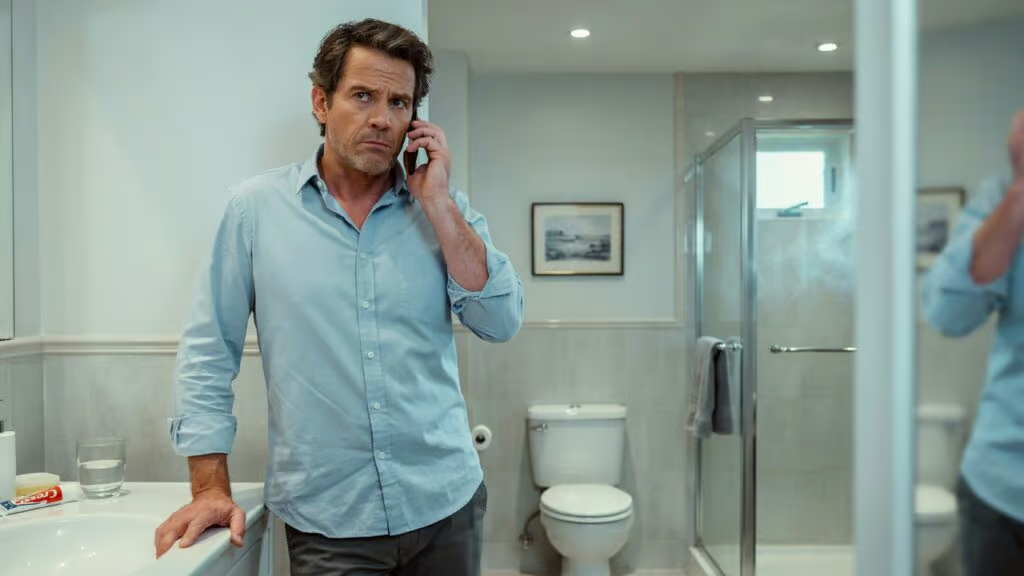
What to Do While You Wait for a Plumber
Document the Damage for Insurance
Take photos or a short video of the affected area before you start cleaning up. [3] This matters more than it might seem in the moment — if you end up filing an insurance claim, having a clear record of the damage as it happened makes the process smoother.
Keep the Area Clear and Ventilated
Move anything you can out of the affected space, and keep air moving with a fan or open window if the weather allows. This helps prevent mold from taking hold while you wait, especially if water sat for any length of time before it was caught.
When to Call a Professional vs. When It Can Wait
Call immediately if:
- Water is actively flooding a room or won’t stop with the main valve shut off
- You smell gas near your water heater
- Sewage is backing up into your home
- You have no water and resetting the breaker didn’t help
- A burst pipe is spreading water toward electrical outlets or wiring
It can typically wait until regular hours if:
- A faucet is dripping slowly
- A toilet is running but not overflowing
- Water pressure is a little low but still present
- You notice a small, slow leak that’s contained in a bucket or towel
For a general sense of what emergency plumbing service tends to cost nationally, Angi’s cost guides break down typical price ranges by issue type, which can help set expectations while you wait for a quote. [3]
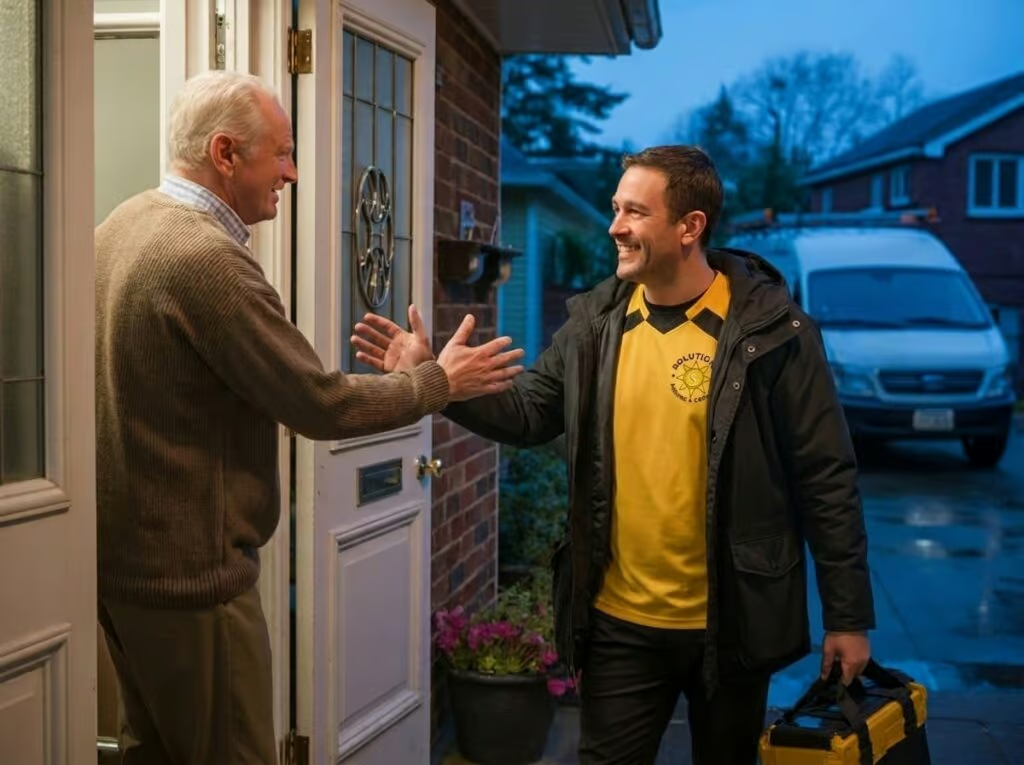
Ready When You Need Us Most
Plumbing emergencies are stressful, especially on well water where every hour without service matters more. Solutions Heating and Cooling has spent over a decade helping Halifax County homeowners handle exactly these situations, from failed well pumps to aging water heaters. Call (434) 404-4461 to get help fast.
Solutions Heating and Cooling 5037 Halifax Road Suite 14, Halifax, VA 24558
Common Questions About Plumbing Emergencies in Halifax
Where is the main shut-off valve in a well water home?
In a well water home, the main shut-off valve is typically located near the pressure tank. Find the valve handle or wheel and turn it clockwise to stop water flow. We recommend locating yours today, before an emergency forces you to search for it under pressure.
What should we do if a water heater is leaking?
If a water heater is leaking, we recommend cutting power to it immediately. For electric units, switch off the breaker at your panel. For gas units, turn the gas valve off near the bottom of the unit before addressing the leak itself.
Is it bad to keep running water if a well pump seems to be struggling?
Yes, running water when a well pump is struggling makes things worse. We advise against testing every faucet or running appliances, since a struggling pump works harder the more it’s used, which can lead to further damage.
How do you know if a plumbing problem is a true emergency?
A true emergency includes actively flooding water, gas smells near a water heater, sewage backing up, no water after a breaker reset, or a burst pipe near electrical wiring. Slow drips or low pressure can typically wait for regular hours. You can call us at (434) 404-4461 24/7 in case of an emergency.
Resources
- https://www.thisoldhouse.com/foundations/water-damage-statistics
- https://www.usnews.com/insurance/homeowners-insurance/most-common-claims
- https://www.angi.com/articles/emergency-plumber-cost.htm