
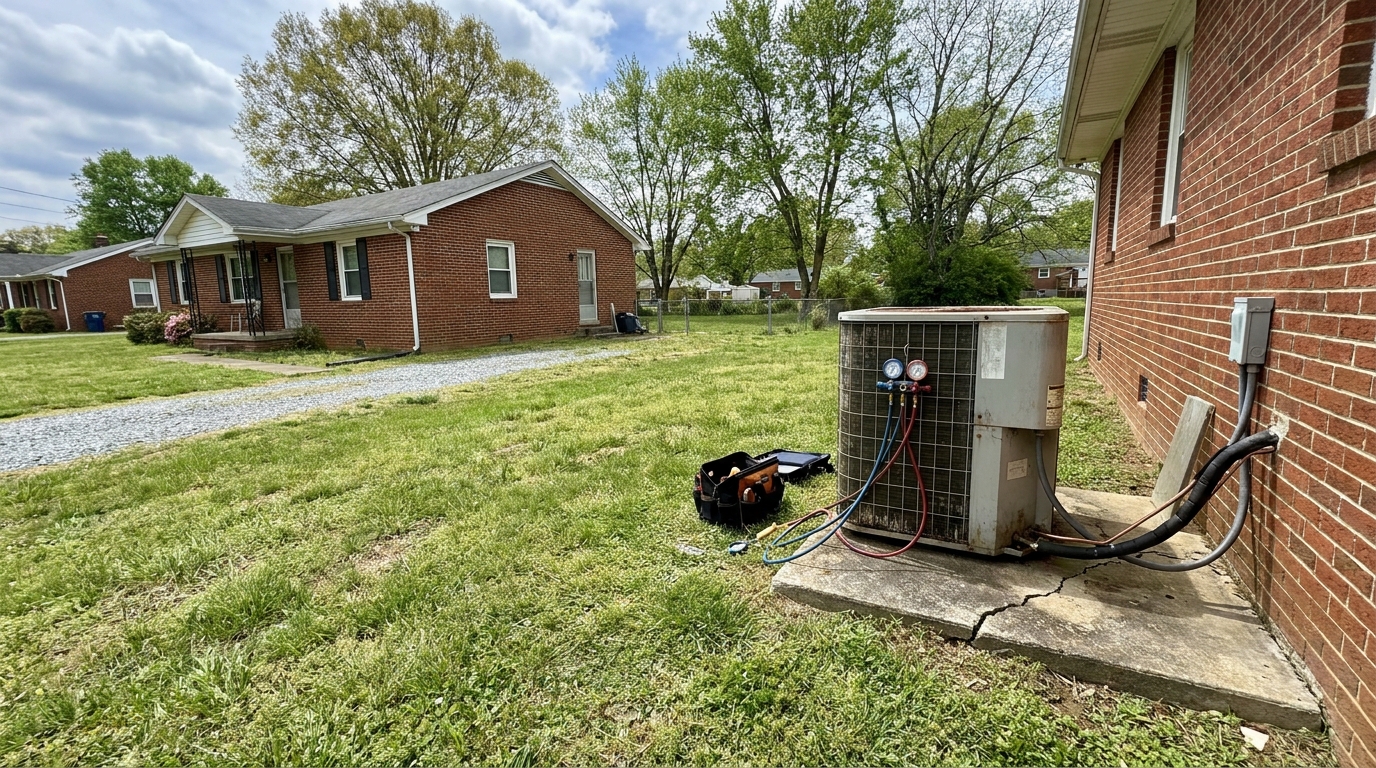
If you’ve ever waited longer than expected for a heat pump repair in a Danville home built before 1976, the house itself is often the reason. Danville’s housing stock creates real, diagnosable repair complications that newer homes simply don’t have. Pre-1930 wood-frame homes, the brick ranches built between 1945 and 1976, the Victorian-era houses in the Old West End, none of it was designed around a central heat pump.
Every mechanical system added since has been a retrofit of some kind. That history shapes how a repair visit actually plays out, and why a quick fix sometimes stretches into a longer diagnostic.
Below we break down what slows these repairs down, why the ductwork is usually the hidden culprit, and what practical steps actually shorten the turnaround.
The Short Answer: What Slows Down Heat Pump Repair in Older Danville Homes
Call us about a heat pump that quit, and the first question we ask is how old the house is, because in Danville, that answer often matters more than the age of the unit. Heat pump repair in older Danville homes usually takes longer because of the house, not the unit. Pre-1930 wood-frame homes and 1945-1976 brick ranches often have undersized or leaky original ductwork, restricted attic and crawl space access, inadequate return air, and aging insulation that masks the real source of a comfort problem.
A technician has to work through all of that to find the actual failure, time a straightforward newer-home repair doesn’t require. The fix isn’t guessing faster. It’s a proper diagnostic that pins down the real cause the first time, and that one step is what sets honest, accurate repair timelines in these older homes.
Danville’s Housing Stock, by the Numbers and the Neighborhood
Danville’s housing is old by most standards, and that’s not an opinion, it’s in the city’s own planning records. A large share of homes went up before central air conditioning was common, which means the mechanical systems came later, layered into houses that weren’t drawn up for them. [1]
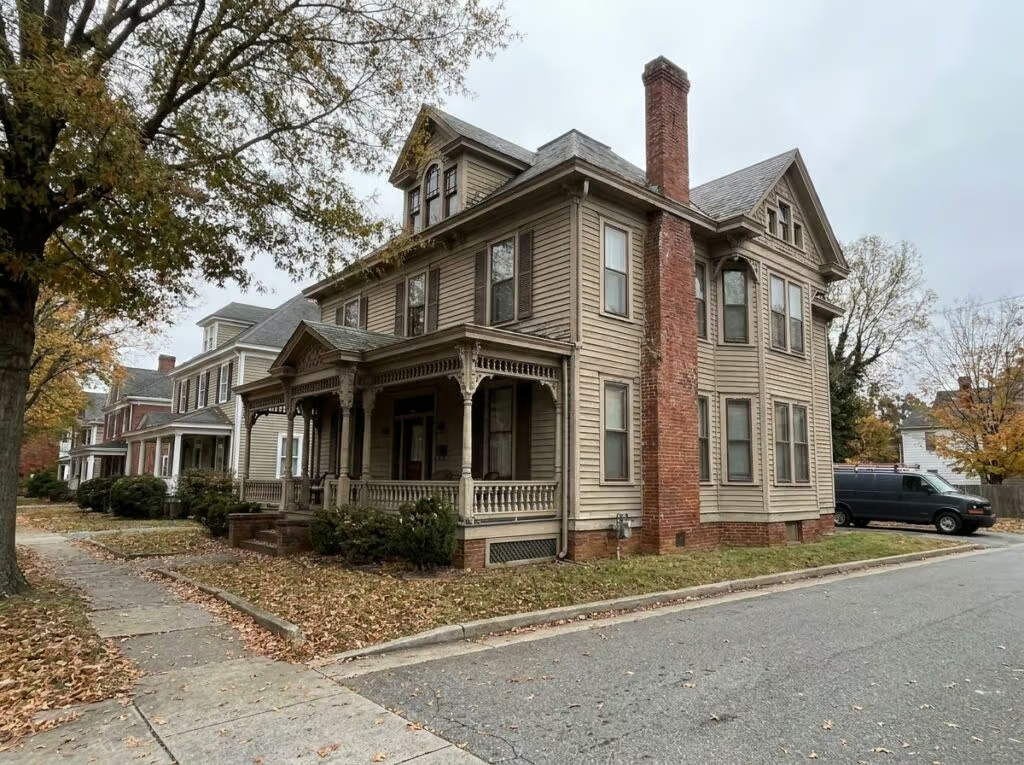
The city has a deep base of pre-1930 wood-frame homes, many of them two-story. A building wave between 1945 and 1976 added brick ranches on single-floor slabs and crawl spaces across whole neighborhoods. The Old West End historic district, home to the stretch locals call Millionaires Row, adds a cluster of grand Victorian and early-1900s houses nationally recognized for their architecture, and some of the tightest original wall and attic cavities a technician will encounter.
In a home built in the last 20 years, the duct system was designed alongside the equipment. In a Danville ranch or Old West End Victorian, the equipment was fitted into a house built for something else entirely, so a repair call in one of these neighborhoods starts from a different place than it would in a new subdivision.
Have a Question About Your Home?
Talk to a real person on our Danville team. We'll give you a straight answer and an upfront price.
The Ductwork Problem Hiding Behind Most Slow Repairs
More often than not, the ductwork is the real story behind a heat pump that seems weak or keeps failing. The U.S. Department of Energy estimates that a typical home loses roughly 20 to 30 percent of the air moving through its duct system to leaks, holes, and poor connections, and in older homes with original or patched ductwork that loss can run even higher. Ducts that are too small, joints that have come loose, and return air that can’t keep up are the recurring culprits.
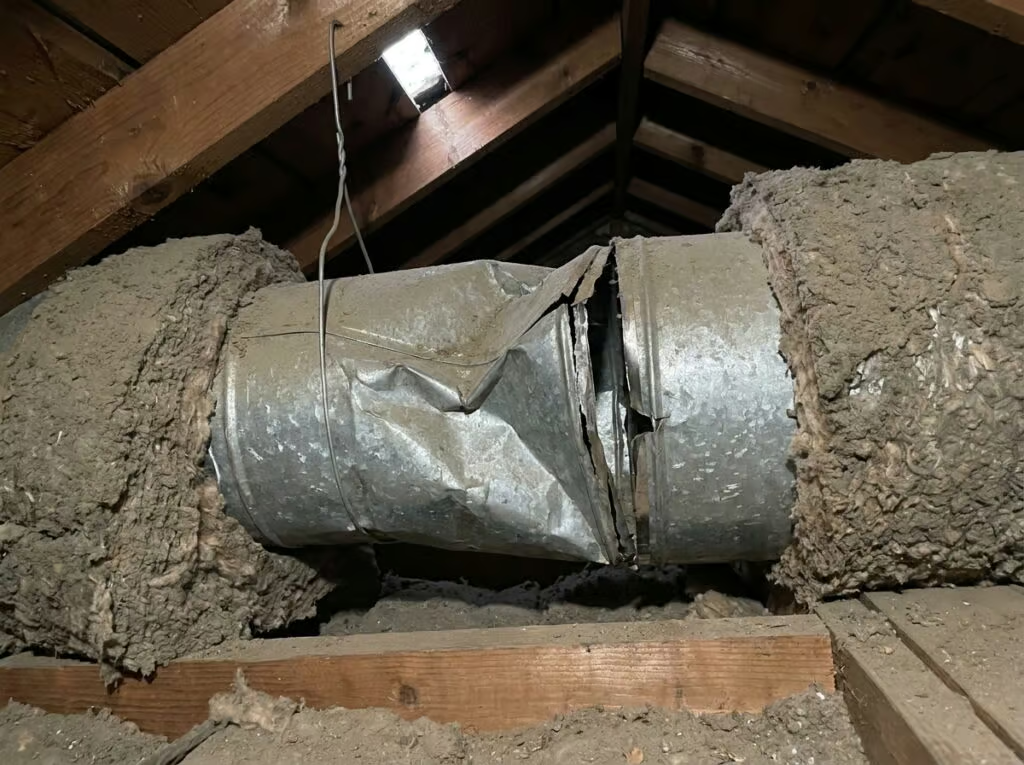
When a heat pump can’t move enough air, it struggles: it short-cycles, freezes up, or runs constantly without ever hitting the set temperature, and all of that looks like a unit problem on the surface. It’s exactly what’s behind the “hot upstairs, cold downstairs” complaint so common in Danville’s older two-story wood-frame and brick ranch homes. The heat pump is often fine; the duct system can’t deliver what it makes.
A technician who doesn’t check duct condition up front can burn a whole visit chasing the wrong fault. Account for the ducts early, and the real problem shows itself faster.
When a Repair Turns Into a Longer Diagnostic Than Expected
A repair drags out in an older Danville home because the technician has to work through a sequence that newer homes skip, and skipping any step leads to repeat calls.
First comes access: tracing ductwork in a pre-1930 home can mean a cramped attic or a low crawl space that’s hard, and sometimes unsafe, to move through. Next is insulation, which settles and compresses unevenly over decades and can bury exactly where conditioned air is leaking out, so the symptom shows up in one room while the real loss sits somewhere else entirely. Then there’s the equipment itself: older or mismatched heat pumps have often been patched together across several past service calls, and sourcing a part for a discontinued model eats up time no one planned for.
None of this is wasted effort. It’s a methodical process a good technician has to follow, and it naturally runs longer than a clean repair in a home built to match its equipment.
What Actually Shortens Repair Turnaround in These Homes
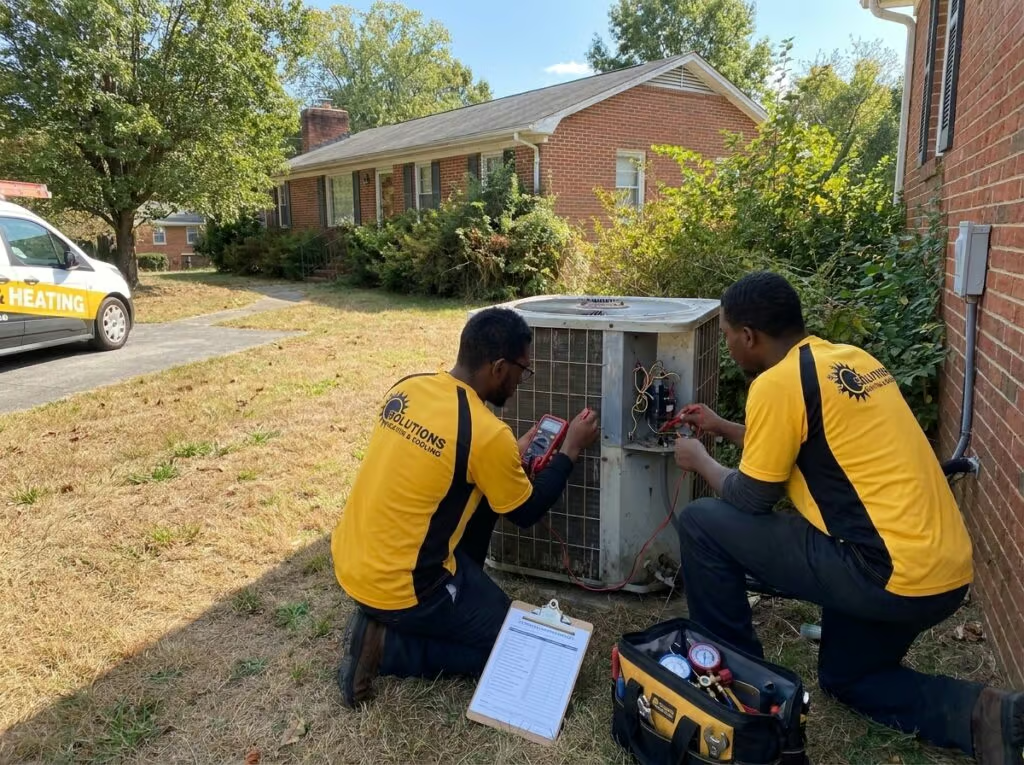
The real fix isn’t rushing, it’s knowing what you’re walking into before the repair starts, and that’s where a full System Evaluation changes the math. Instead of quoting a repair over the phone, we look at the whole picture first, the heat pump, the ductwork, the return air, and the insulation, so duct and insulation problems get caught before the visit rather than discovered mid-repair. Fewer surprises, fewer return trips.
For leaky original ductwork, Aeroseal duct sealing is often the answer. It seals leaks from the inside of the duct system without tearing into the walls or ceilings of a historic home, which matters in Old West End properties where opening up original plaster isn’t an option. Because we handle the full duct lifecycle, install, repair, clean, and seal, damaged, dirty, and leaking ducts can be handled in one appointment sequence instead of a referral chain across three contractors.
Staying ahead of failures helps too. Seasonal maintenance, checked once before heating season and once before cooling season, catches small issues before they turn into a breakdown, and it’s worth weighing replacement once a system passes the 10-to-15-year mark and repairs start piling up. Running an inefficient heat pump against leaky ducts also means paying to condition air that slips straight into the attic or crawl space, and that waste only grows as the system ages. Contact us for exact pricing on a System Evaluation.
Getting a Straight Answer on Your Heat Pump
If your heat pump is struggling in an older Danville home, you deserve a real diagnosis, not a guess over the phone, with heat pump repair that addresses the full system. Solutions Heating & Cooling is based right here at 300 Ringgold Industrial Pkwy, and we work on heat pumps in Danville’s older housing stock every week, the brick ranches, the pre-war wood-frame homes, the ductwork that was never sized for the loads we ask of it today.
We’ll trace the actual problem, duct and all, and tell you plainly what’s going on. Contact us to schedule a System Evaluation or a repair visit, and let’s get a straight answer on your heat pump.
Heat pump trouble in an older Danville home? Get a real diagnosis, not a phone guess. Call (434) 425-8775 →
Common Questions About Heat Pump Repair in Older Danville Homes
Why does my heat pump take longer to repair in an older Danville home?
The house itself usually adds time, not the unit. Older Danville homes often have undersized or leaky original ductwork, tight attic or crawl space access, and aging insulation that masks the real source of a comfort problem. A technician has to work through all of that to find the true failure, which a newer home skips.
Can a heat pump use the existing ductwork in an older home?
Often yes, but the ducts usually need evaluation and repair first. Original or patched ductwork in Danville’s older homes is frequently undersized or leaky, which starves the heat pump of airflow. Aeroseal duct sealing can tighten leaks from the inside without tearing into walls or original plaster.
Is it worth repairing an old heat pump or should I replace it?
It depends on the system’s age and repair history. Consumer Reports notes that most heat pumps last around 10 to 15 years, and replacement is usually worth weighing once a system reaches that range and repairs start piling up. [2] A full System Evaluation checks the unit, ducts, and insulation together so you get a straight answer instead of a guess.
Sources
- energy.gov/articles/history-air-conditioning
- consumerreports.org/appliances/heat-pumps/best-whole-house-heat-pumps-a1157154177
Don’t let an undersized duct or an aging heat pump wear down your comfort another season
We work on Danville’s older homes every week and we’ll tell you plainly what’s going on. Call (434) 425-8775 →