
Every fall, Lynchburg homeowners crank up the furnace for the first time and brace for the bill that follows. Before that first cold snap hits, it's worth knowing that a big share of the heat you pay for may never make it out of your vents at all.
Here's the thing most folks don't realize. The furnace itself might be working fine, yet leaky ductwork quietly throws away a chunk of your warm air before it ever reaches a room. This article walks through where that heat disappears to, why fall is the right time to act in Lynchburg, the warning signs to watch for, and what a duct sealing evaluation actually looks like.
The Quick Answer: Does Duct Sealing Before Winter Actually Cut Heating Costs?
Yes. Sealing duct leaks before winter lowers heating costs because the typical home loses 20% to 30% of its conditioned air through leaky ducts, according to Energy Star and the U.S. Department of Energy.
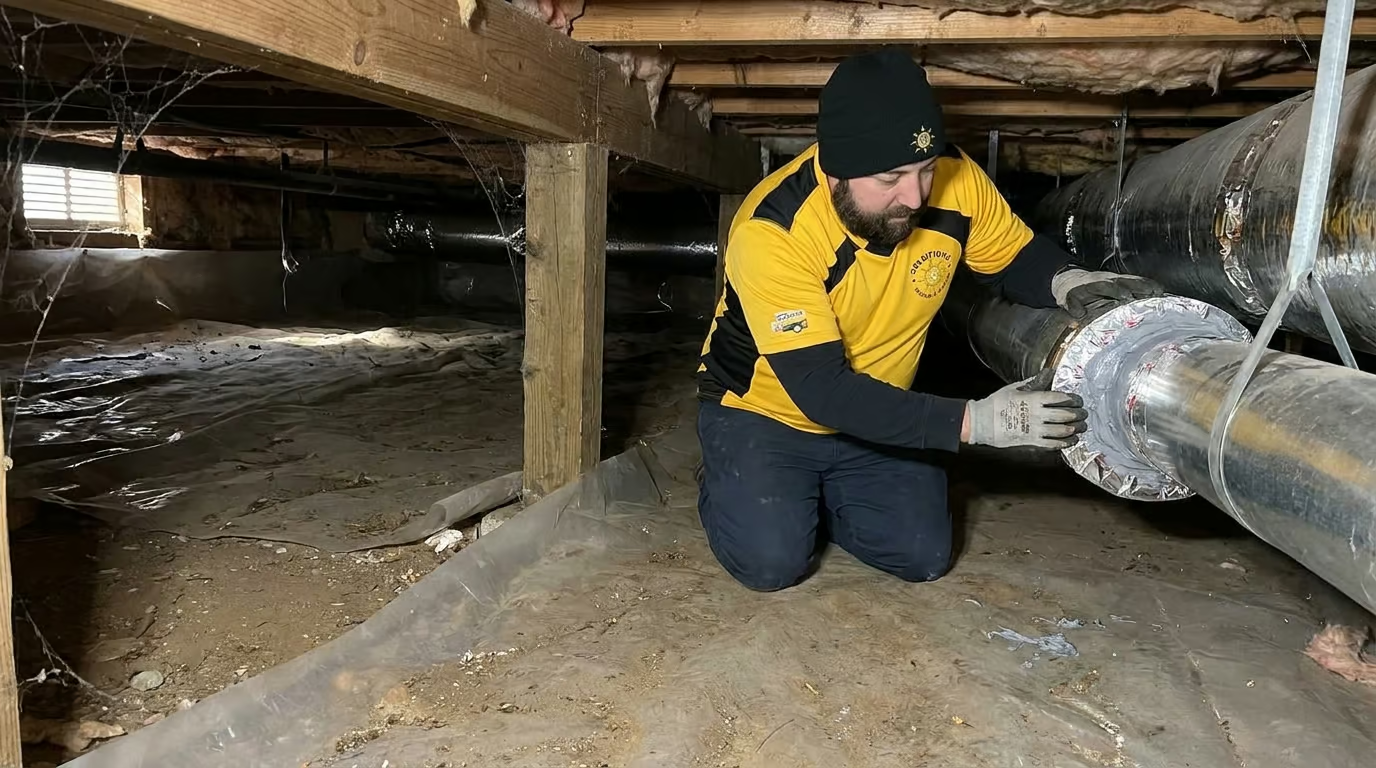
In older Lynchburg homes, those ducts often run through an unconditioned crawl space or attic, and that's exactly where the heated air leaks out before it ever reaches your rooms. When it escapes into crawl spaces, attics, and wall cavities, your furnace has to run longer to reach the same indoor temperature. That extra runtime shows up directly on your winter bills.
Fall is the right window for duct sealing before the winter heating season starts. Close the leaks before the cold sets in, and your system runs efficiently from the very first freezing night instead of fighting leaks all season long.
Where That 20-30% of Your Heated Air Actually Goes
Ductwork rarely runs through living space. Most of it threads through crawl spaces, attics, and wall chases that stay cold all winter, and at every joint, seam, and loose connection along that path, warm air finds a way out.
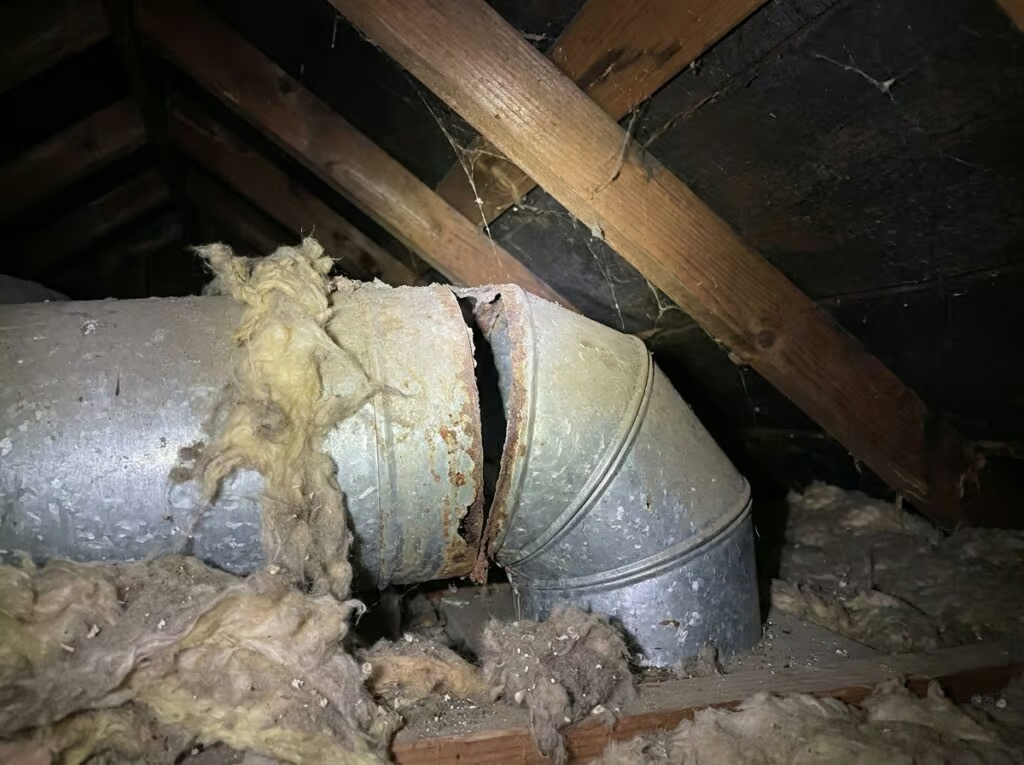
The reason comes down to pressure. When your furnace pushes heated air through the system, the air inside the ducts sits at higher pressure than the space around it, and that difference forces air out through any gap it can find, no matter how small.
This matters more in older homes. Many Lynchburg houses carry ductwork that's original to the build, and those older connections tend to loosen, separate, or lose their seal over the years. Decades of heating and cooling cycles pull things apart little by little.
Sealing those leaks stops the unintended air loss from your existing ducts. It won't change how your ductwork was sized or laid out, but it closes the gaps that let paid-for heat slip away before it reaches your family.
Have a Question About Your Home?
Talk to a real person on our Lynchburg team. We'll give you a straight answer and an upfront price.
Why Lynchburg's Winter Swings Make Timing Matter
Lynchburg winters are mild compared to much of the country, but they still bite. January highs average in the mid-40s, lows dip near 25°F, and real cold snaps roll through most years.
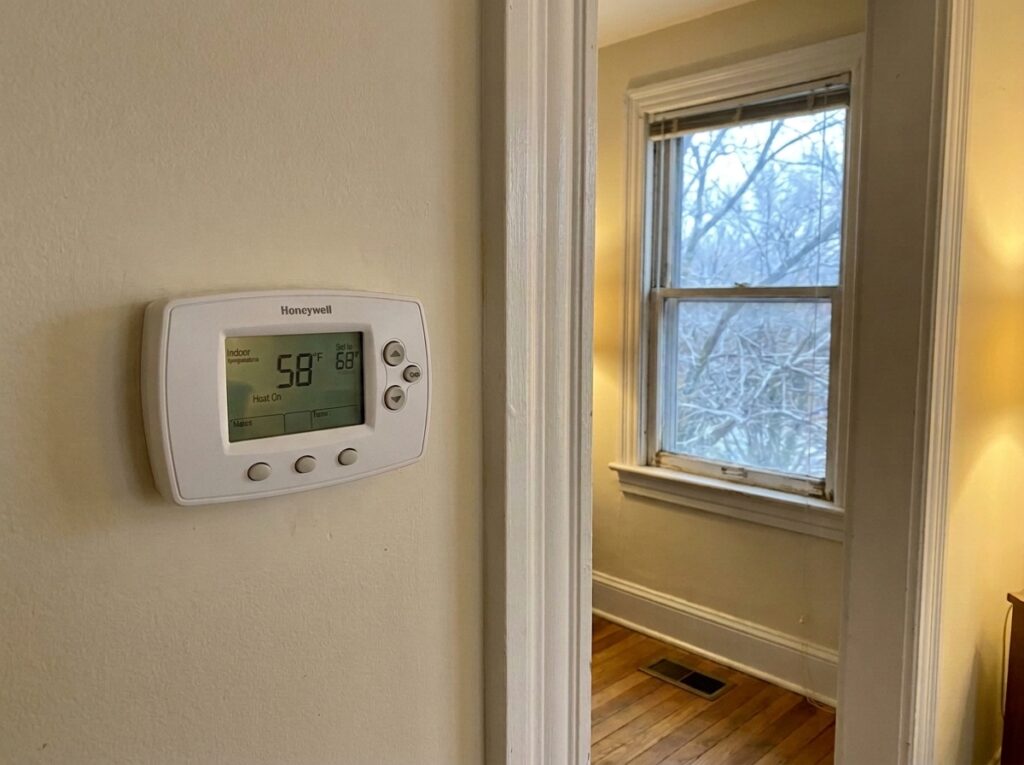
That pattern is exactly why timing matters here. For most of the season your furnace may keep up without much strain. Then a hard freeze arrives and the system runs flat out, trying to hold your setpoint against outside air far below it.
During those stretches, every existing duct leak compounds the problem. The furnace already works overtime, the leaks pull even more heat into spaces you never use, and the outcome is predictable: rooms feel cold, runtime climbs, and the bill follows.
Fall gives you a planning window instead of an emergency. Seal the leaks before the first hard freeze, and the system is ready when the cold shows up rather than scrambling to catch up once it's already here.
Signs Your Ducts Are Losing Heat This Winter
You don't need special tools to catch the symptoms of leaky ducts. If you spot several of these during cold months, your ductwork may be part of the problem: [1]
- Rooms that never warm up, no matter how high you set the thermostat.
- Big temperature differences between floors or between one end of the house and the other.
- A furnace that runs almost constantly without ever catching up to the setpoint.
- Heating bills higher than expected compared to similar-sized homes nearby.
- Dusty or musty air from your vents, which can mean ducts are drawing air from a crawl space or attic instead of your conditioned living space.
Any one of these can have more than one cause. But when a few show up together, leaky ducts are a strong suspect worth checking before the season turns any colder.
What Happens During a Duct Sealing Evaluation
We start with diagnosis, not a sales pitch. Before anyone talks about sealing, a technician looks at your system to find where air is actually escaping and how much is being lost.
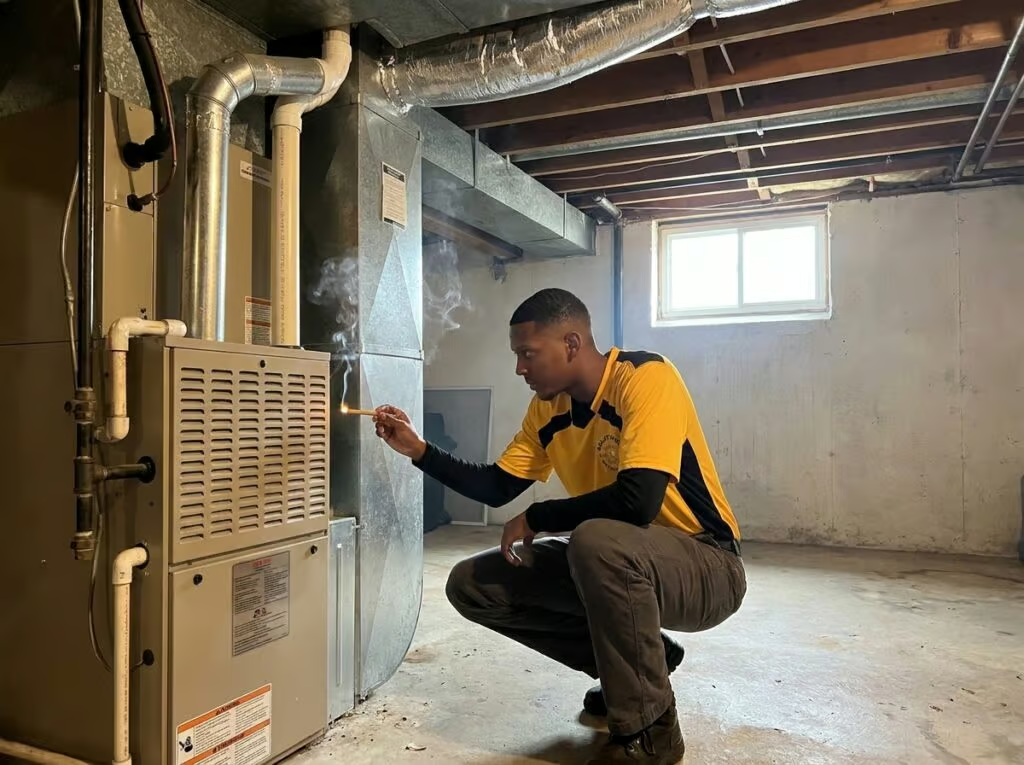
That means inspecting the duct runs, checking connections in crawl spaces and attics, and confirming that leaks are the real issue rather than something unrelated. You see the problem for yourself before any decision gets made.
When sealing makes sense, one method listed at our Lynchburg location is Aeroseal duct sealing. [2] Aeroseal works from inside the duct system, spreading a sealant that closes leaks at the seams and joints without tearing open walls or ceilings.
It's worth being clear about what sealing does and doesn't do. Sealing stops air loss through leaks in your existing ducts. It does not change duct sizing, layout, or airflow design. If those are the concern, they're a separate conversation, and we'll tell you so honestly rather than selling you a fix that doesn't match the problem.
Getting Ahead of the Cold Before It Arrives
The best time to look at your ducts is now. Before the first hard freeze, not after a winter of high bills and rooms that never feel right. A fall evaluation gives you time to act while the furnace isn't yet under heavy load.
Because we're registered as an HVAC, insulation, and waterproofing contractor, one team can look at your ductwork, your attic insulation, and the crawl space your ducts run through in a single visit. Those three things are connected in a lot of Lynchburg homes, and we handle them together instead of leaving you to line up separate contractors on separate days.
If your heating bills have crept up or certain rooms just won't stay warm, reach out to Solutions Heating & Cooling. We'll check whether your ducts are quietly costing you money this winter and tell you straight what we find, with no pressure either way.
Leaky ducts waste heat all winter. Call (434) 771-0977 → and we'll check yours before the cold settles in.
Duct Sealing and Winter Heating Costs: Common Questions From Lynchburg Homeowners
Can leaky ducts cause high heating bills in winter?
Yes, leaky ducts can push heating bills higher because the typical home loses 20% to 30% of its conditioned air through duct leaks, according to Energy Star and the U.S. Department of Energy. That lost heat escapes into crawl spaces and attics, forcing your furnace to run longer to hold the temperature you set.
What is the best time of year to seal ductwork?
Fall is the best time to seal ductwork, before the winter heating season starts. Close the leaks before the first hard freeze and your furnace runs efficiently from the first cold night, instead of fighting air loss all season. It also lets you handle the work on a planning schedule rather than during an emergency.
How do I know if my ducts are leaking?
Common signs of leaky ducts include rooms that never warm up, wide temperature swings between floors, a furnace that runs constantly, higher-than-expected heating bills, and dusty or musty air from your vents. Any one of these can have several causes, but a few together make leaky ducts a strong suspect worth checking.
What is Aeroseal duct sealing?
Aeroseal is a duct sealing method that works from inside your duct system. It spreads a sealant that closes leaks at seams and joints without tearing open walls or ceilings. Aeroseal is one of the duct sealing methods listed at our Lynchburg location, and we start with an evaluation before recommending it.
Sources
- thisoldhouse.com/heating-cooling/21017379/how-to-fix-leaks-in-air-ducts
- www1.eere.energy.gov/buildings/publications/pdfs/building_america/aerosol-based-enclosure-sealing-technology.pdf
Seal Your Ducts Before the First Freeze
Catching duct leaks now means warmer rooms and steadier bills once the cold hits. Our team covers the ductwork, insulation, and crawl space in one visit, so you're set before heating season peaks. Call (434) 771-0977 →