
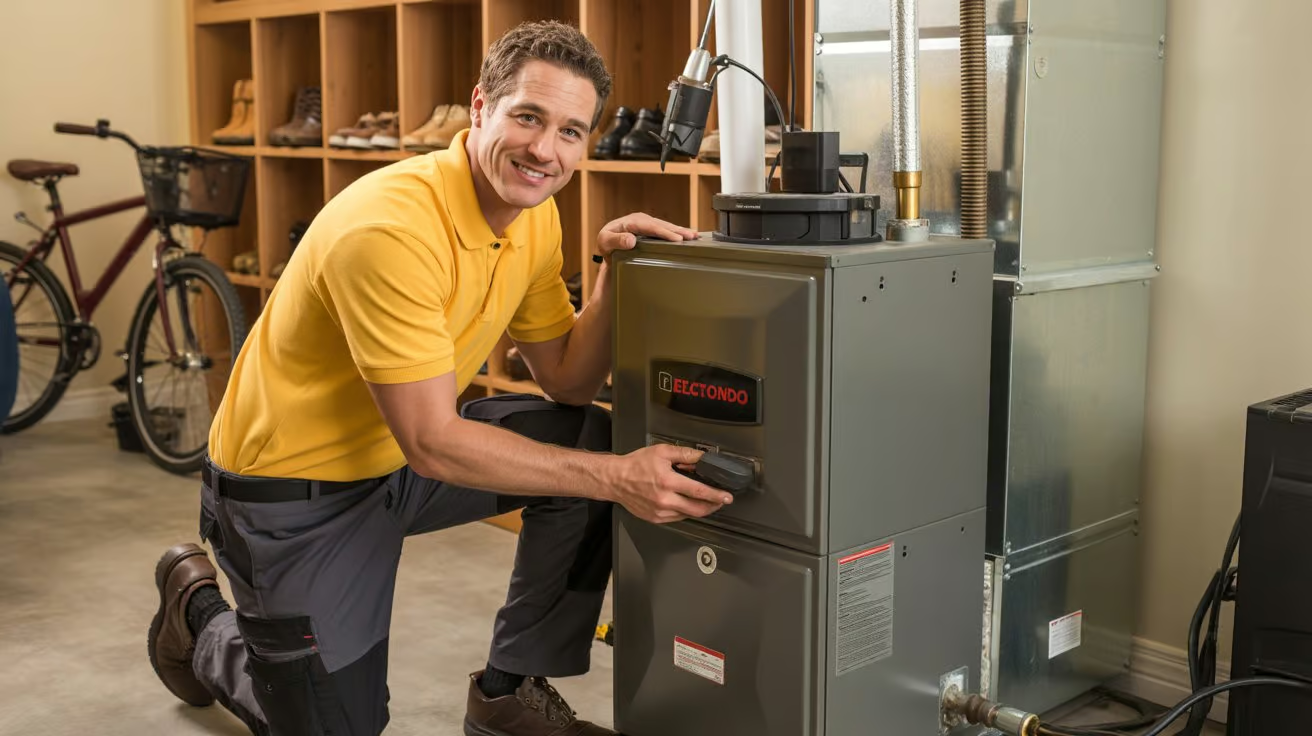
Installing a new furnace in your Halifax County home is a big investment in your family’s comfort and safety. But before any equipment arrives, there’s an important first step many homeowners overlook: getting the proper permits and meeting local code requirements.
Halifax County, like all Virginia municipalities, has specific regulations that apply to furnace installations. These aren’t just bureaucratic hurdles—they’re designed to protect your home, your family, and your property value. Whether you’re replacing an aging system in your rural Halifax home or upgrading the HVAC in a historic Southside Virginia property, understanding the permitting process helps you avoid costly delays, failed inspections, and potential safety hazards.
This guide walks you through everything Halifax County homeowners need to know about furnace installation permits and code requirements. You’ll learn the step-by-step permit process, understand which codes apply to your installation, and discover how working with licensed professionals like Solutions Heating and Cooling simplifies compliance while protecting your investment.
Do I Need a Permit to Install a Furnace in Halifax County VA?
Yes, you need a permit to install a furnace in Halifax County, Virginia. All furnace installations, replacements, and significant modifications require a building permit from the Halifax County Building Inspections Department before work begins.
Permit requirements include:
- New furnace installations in existing homes
- Complete furnace replacements (even same location)
- Fuel conversion projects (oil to gas, propane to electric)
- Ductwork modifications exceeding 10 feet
- Any alterations to combustion air systems or venting
Exemptions:
- Minor repairs to existing equipment
- Filter replacements and routine maintenance
- Thermostat replacements (same voltage)
Licensed HVAC contractors typically handle the permit application process as part of their service. Working without proper permits can result in fines, failed home inspections during sales, voided equipment warranties, and insurance claim denials.
Understanding Halifax County’s Furnace Installation Permit Process
Who Issues Furnace Permits in Halifax County?
The Building Code Enforcement Department handles all furnace installation permits in Halifax County VA. You can reach them at (434) 476-3300, extension 3304, Monday through Friday from 8 AM to 5 PM. Their mailing address is P.O. Box 699, Halifax, VA 24558, and their physical office is at 1050 Mary Bethune Street in Halifax.
Halifax County operates under the Virginia Uniform Statewide Building Code (VUSBC), which means local inspectors enforce state-level standards. The Building Code Enforcement Department works with the International Building, Residential, Plumbing, and Mechanical codes.
Step-by-Step Permit Application Process
Getting your furnace installation permits Halifax County VA approved starts with proper documentation. Your HVAC contractor should provide equipment specifications, installation plans, their Virginia contractor license information, and load calculations showing the furnace is properly sized for your home.
Most licensed contractors handle the entire application process for you. According to the Halifax County Building Code Enforcement Department, you should allow a minimum of 10 business days for permits to be processed. Applications submitted after 4:30 PM will not be processed until the next business day.
To confirm permit fees for your specific project, call (434) 476-3300, extension 3304.
What Information Your Contractor Should Provide
Licensed HVAC contractors in Virginia handle the permit process as part of their service. They provide all required documentation, submit applications, coordinate with inspectors, and schedule necessary inspections.
At Solutions Heating and Cooling, we’ve been navigating Halifax County’s permit process since 2015. We complete all permit applications and manage the entire compliance process, so you don’t have to worry about forms, fees, or inspection appointments.
Have a Question About Your Home?
Talk to a real person on our Halifax team. We'll give you a straight answer and an upfront price.
Virginia Furnace Installation Code Requirements for Halifax County
Virginia Uniform Statewide Building Code (USBC) Basics
Virginia operates under a statewide building code system. The Virginia Uniform Statewide Building Code (USBC) is based on codes from the International Code Council, which Halifax County adopted. You can find official Virginia Uniform Statewide Building Code resources through the Virginia Department of Housing and Community Development.
The USBC incorporates the International Mechanical Code with Virginia-specific modifications. These codes protect your family’s safety, prevent carbon monoxide hazards, reduce fire risks, and help your heating system run efficiently.
Combustion Air and Ventilation Requirements
Gas and oil furnaces need adequate fresh air to burn fuel safely. Without enough air, furnaces can produce dangerous carbon monoxide.
Key requirements:
- Furnaces in confined spaces need two air openings providing one square inch per 1,000 BTU of input
- Openings must connect to outside air or properly ventilated adjacent rooms
- Vents cannot be blocked by storage or obstructions
Many older Halifax County homes lack proper air openings. Modern homes are built tighter for energy efficiency, making dedicated combustion air more important.
Furnace Clearance and Installation Location Standards
Virginia code sets minimum clearances between your furnace and combustible materials to prevent fire hazards.
Standard requirements:
- Minimum 6 inches on sides and back from combustibles
- 24-30 inches in front for service access
- Manufacturers may require larger distances
Location-specific requirements:
Attic installations:
- Solid platform with proper support
- Access opening at least 22×30 inches
- Unobstructed passageway and lighting
- Clearance from roof and rafters
Crawl space installations:
- Equipment elevated above potential water
- Moisture protection and drainage
- Adequate service access
Closet installations:
- Door louvers for air circulation
- Proper combustion air openings
- Working space for service
Venting and Exhaust System Requirements
Safe venting is one of the most important aspects inspectors verify for furnace installation permits Halifax County VA requires.
Standard-efficiency furnaces:
- Type B metal vent pipes sized for BTU input
- Minimum 1/4 inch rise per foot of horizontal run
- Proper sealing and support
- Usually terminates through roof
High-efficiency furnaces:
- PVC or CPVC venting through exterior walls
- Specific clearances from windows, doors, and air intakes
- Proper condensate drain installation
Safety requirements:
- Carbon monoxide detectors on each level and outside sleeping areas (required by code)
- Condensate drains with proper slope
Electrical Code Compliance
Required elements:
- Dedicated circuit sized for furnace load
- Disconnect switch within sight of equipment
- Emergency shut-off switch accessible from living space
- Proper grounding of metal cabinet
- All work per National Electrical Code
Ductwork and Air Distribution Standards
Virginia code requires proper duct sizing based on ACCA Manual D load calculations. [2]
Insulation requirements:
- R-8 minimum for supply ducts in unconditioned spaces
- R-6 minimum for return ducts in attics
Installation standards:
- Adequate return air sizing and placement
- No return air from garages or bathrooms
- All connections sealed with mastic or approved tape (not standard duct tape)
- Proper airflow balancing
Understanding the permit process is just the first step. Now let’s examine what happens during the actual inspection process.
The Furnace Installation Inspection Process in Halifax County
What Inspectors Look for During Rough-In Inspection
The rough-in inspection happens before any work gets covered up. This timing lets inspectors verify that everything behind walls meets code.
Rough-in inspection checklist:
- Ductwork installation, sizing, and support
- Venting system installation and slope
- Combustion air openings sized correctly
- Electrical rough-in including circuit sizing
- Gas line installation and pressure testing
- Proper clearances from combustibles
Schedule your rough-in inspection after these elements are installed but before covering them with drywall or insulation.
Common issues that delay approval:
- Undersized or improperly supported ductwork
- Incorrect vent pipe sizing or slope
- Missing combustion air openings
- Electrical circuits not properly sized
- Inadequate clearances around equipment
Final Inspection Requirements
The final inspection happens after your furnace installation is complete and operational. Inspectors verify the entire installation functions safely.
Final inspection points:
- Complete equipment installation with proper clearances
- Operational testing of heating system
- Thermostat installation and programming
- Carbon monoxide detectors installed and functioning
- All electrical connections completed and labeled
- Venting system properly terminated
- Condensate drain operational
- Gas connections leak-tested
- Return air pathways adequate
Inspectors may ask to see the system run through a complete heating cycle. The inspection also confirms your installation matches the approved permit plans.
What Happens If Your Installation Fails Inspection
Failed inspections happen, especially with less experienced contractors.
Correction process:
- Inspector provides written list of deficiencies
- Contractor makes required corrections
- Re-inspection scheduled after corrections complete
- Additional fees may apply for re-inspection
Contact the Building Code Enforcement Department at (434) 476-3300, extension 3304, for current re-inspection fee schedules.
How experienced contractors minimize failures: Licensed HVAC professionals familiar with Halifax County requirements rarely fail inspections. They know what inspectors look for and install systems correctly the first time.
At Solutions Heating and Cooling, our technicians complete continuing education on Virginia code requirements. We review installations carefully before calling for inspection, catching potential issues beforehand. This means our customers avoid the frustration and expense of failed inspections.
Questions About Your Furnace Installation Permit? Our team answers Halifax County permit questions every day. Get expert guidance on your specific situation. Call Us Today: (434) 404-4461
These code standards underscore why Halifax County’s unique characteristics create some additional considerations worth understanding.
Want Someone Local to Take a Look?
Our Halifax team can tell you what you are dealing with and what it should cost, before anything starts.
Special Considerations for Halifax County Homeowners
Historic Home Furnace Installation Requirements
Halifax County and Southside Virginia have many historic properties built before modern HVAC systems existed. Installing a furnace in these older homes presents unique challenges.
Common historic home challenges:
- Limited space for modern equipment
- Inadequate combustion air in tight spaces
- Structural limitations for venting
- Electrical service upgrades needed
- Floor joist and wall cavity restrictions
Older homes often lack the clearances codes require. You might need to modify closets, create new mechanical spaces, or upgrade ventilation. These modifications must respect the home’s character while achieving code compliance.
Fuel Type Conversions and Code Requirements
Switching fuel types—like oil to propane or electric to gas—involves more than just changing equipment. These conversions require additional permits beyond standard furnace installation permits Halifax County VA issues.
Oil to propane or natural gas conversions:
- New gas line installation requiring separate permit
- Utility company approval and service installation
- Different venting requirements
- Removal and disposal of old oil tank
- Updated combustion air calculations
Electric to gas conversions:
- Gas line installation and utility coordination
- New venting system installation
- Combustion air openings
- Carbon monoxide detectors throughout home
Fuel conversions take longer to permit and inspect because multiple systems change. Budget extra time for utility company scheduling.
Crawl Space Considerations in Southside Virginia
Many Halifax County homes have crawl space foundations. This creates specific considerations for furnace installations.
Moisture management:
- Equipment elevation above potential standing water
- Vapor barriers on crawl space floors
- Proper drainage away from foundation
- Dehumidification in humid summer months
Flood zone considerations: Some Halifax County properties sit in designated flood zones. Equipment may need installation at specific elevations above projected flood levels. Your contractor should verify flood zone requirements with the Building Code Enforcement Department.
Proper equipment elevation: Furnaces in crawl spaces must be elevated on platforms above any potential water. The platform needs solid construction with adequate support and service access. Inspectors verify these platforms meet requirements.
Crawl space installations also need careful attention to ductwork insulation and sealing. The humid Southside Virginia climate makes uninsulated ducts prone to condensation.
Understanding these special considerations helps explain why certain violations are so common—and so problematic.
Common Permit and Code Violations to Avoid
Top 5 Violations Found in DIY Installations
Homeowners attempting furnace installations without professional help frequently make the same mistakes. These violations create safety hazards and expensive corrections.
1. Missing or inadequate combustion air openings
- Safety risk: Carbon monoxide production
- Correction cost: $200-$500
- Why pros prevent this: Licensed contractors calculate exact requirements
2. Improper venting installation
- Safety risk: Exhaust gases entering home
- Correction cost: $300-$800
- Why pros prevent this: Experienced installers know proper sizing and slope
3. Insufficient clearances from combustibles
- Safety risk: Fire hazard
- Correction cost: $150-$600
- Why pros prevent this: Professional installers verify clearances first
4. Undersized or missing electrical disconnect
- Safety risk: Electrical shock hazard
- Correction cost: $150-$300
- Why pros prevent this: Licensed contractors install correct disconnects
5. No carbon monoxide detectors installed
- Safety risk: Undetected CO leaks
- Correction cost: $100-$250
- Why pros prevent this: Reputable contractors include detectors as standard
How Unpermitted Work Affects Your Home
Working without proper furnace installation permits Halifax County VA requires creates problems beyond fines.
Impact on homeowner’s insurance: Insurance companies can deny claims related to unpermitted work. If a fire starts from an improperly installed furnace, your insurer might refuse coverage, leaving you responsible for all damages.
Complications during home sales: Home inspectors routinely check for permit records. Unpermitted furnace installations flag serious concerns for buyers, who may:
- Request significant price reductions
- Require complete system replacement before closing
- Walk away from the purchase
- Demand escrow holdbacks until work is permitted
Voided equipment warranties: Most furnace manufacturers require professional installation by licensed contractors for warranty coverage. DIY installations or work by unlicensed contractors automatically void warranties.
Legal liability concerns: If unpermitted work causes property damage or injuries, you face potential personal liability.
These complications underscore the value of working with experienced professionals who navigate code requirements daily.
Ready When You Are
Call or book online. A real person on our Halifax team will take it from there.
Why Working with Licensed Contractors Simplifies Compliance
What Licensed HVAC Contractors Bring to the Process
Licensed HVAC contractors do more than just install equipment—they’re your partners in navigating the permit and code compliance process.
Permit application expertise: Experienced contractors know exactly what documentation the Building Code Enforcement Department needs and when to submit applications for optimal processing times. They maintain relationships with local inspectors, which helps resolve questions quickly.
Up-to-date code knowledge: Virginia’s building codes update regularly, and licensed contractors complete continuing education to stay current. They can identify potential compliance issues before they become inspection failures.
Proper equipment and installation techniques: Professional contractors have specialized tools, equipment, and training. They perform accurate load calculations, install systems according to manufacturer specifications, and use proper materials that meet code standards.
Insurance and liability protection: Licensed contractors carry liability insurance and workers’ compensation coverage that protects you if something goes wrong.
Questions to Ask Your HVAC Contractor About Permits
Before hiring a contractor, ask these questions to verify they’ll handle permits properly:
- Do you obtain all required permits, or is that my responsibility?
- What’s your Virginia contractor license number, and can I verify it?
- How long does the permit process typically take?
- Will you coordinate all inspections?
- What happens if the installation fails inspection?
- Are re-inspection fees included in your quote?
- How do you stay current with Virginia code updates?
- Can you provide references from recent Halifax County installations?
- What warranties do you offer, and do they require proper permitting?
- Will you provide copies of all permits and inspection approvals?
Red flags indicating problems:
- Suggests skipping permits to save money or time
- Unable or unwilling to provide license number
- No clear answer about who handles permits
- Pressure to start work immediately without mentioning permits
- Significantly lower prices than other licensed contractors
- Claims permits aren’t necessary for replacements
You can verify any Virginia contractor’s license through the Department of Professional and Occupational Regulation website. [3]
The Solutions Heating and Cooling Approach to Code Compliance
At Solutions Heating and Cooling, we’ve been serving Halifax County since 2015, and we handle every aspect of the permit and inspection process for our customers.
Our comprehensive permit service includes:
- Complete permit application preparation and submission
- All coordination with the Building Code Enforcement Department
- Scheduling of rough-in and final inspections
- Pre-inspection reviews to catch potential issues
- Communication throughout the process
- Attendance at all inspections
Our technicians maintain NATE certification and EPA 608 certification, and they complete regular training on Virginia code updates. We’ve built strong working relationships with Halifax County inspectors over our nine years serving Southside Virginia.
When you choose Solutions Heating and Cooling for your furnace installation, you’re getting a partner who makes code compliance simple, stress-free, and complete.
Schedule Your Code-Compliant Furnace Installation in Halifax County
Don’t let permit requirements and code compliance add stress to your furnace installation. Solutions Heating and Cooling handles every detail—from permit applications to final inspections—so you can focus on enjoying reliable comfort in your home.
With over nine years serving Halifax County and Southside Virginia, we know exactly what local inspectors require and how to make sure your installation passes on the first try. Our licensed technicians stay current with every Virginia code update, protecting your investment and your peace of mind.
Get Your Free Installation Estimate
Phone: (434) 404-4461
Address: 5037 Halifax Road Suite 14, Halifax, VA 24558
Service Areas: Halifax County, Danville, Clarksville, South Boston, and surrounding Southside Virginia
Ready to Move Forward? Here’s What Happens Next
Step 1: Schedule Your Free Consultation
Call (434) 404-4461 or fill out our online form. We’ll arrange a time that works with your schedule.
Step 2: Receive Your Detailed Estimate
We’ll evaluate your home, explain all permit requirements, and provide transparent pricing with no hidden fees.
Step 3: We Handle All Permits
Sit back while we submit applications, coordinate inspections, and manage the entire compliance process.
Step 4: Professional Installation
Our certified technicians complete your installation to exact code specifications, making sure first-time inspection approval.
Step 5: Final Inspection & Warranty Activation
We schedule and attend the final inspection, then activate your manufacturer and extended warranties.
Common Questions About Furnace Permits and Building Codes in Halifax County
What home projects don’t require permits for Virginia homeowners?
Minor furnace repairs, filter replacements, and routine maintenance don’t require permits in Halifax County. You also won’t need a permit for replacing thermostats with the same voltage. However, new installations, complete replacements, fuel conversions, ductwork modifications over 10 feet, and combustion air system changes all require permits from our Building Code Enforcement Department.
Which home improvement projects need building permits in Virginia?
For furnace work specifically, we need permits for new installations, complete system replacements even in the same location, fuel conversion projects like switching from oil to gas, ductwork modifications exceeding 10 feet, and any changes to combustion air systems or venting. These requirements protect your home’s safety and your property value.
What building code standards does Virginia currently follow?
Virginia currently follows the Virginia Uniform Statewide Building Code (VUSBC), which Halifax County has adopted. The VUSBC incorporates the International Mechanical Code with Virginia-specific modifications. We also work with the International Building, Residential, Plumbing, and Mechanical codes to maintain consistent safety standards throughout the state.
Resources
- https://www.dhcd.virginia.gov/drss
- https://www.acca.org/standards/technical-manuals/manual-d
- http://www.dpor.virginia.gov