
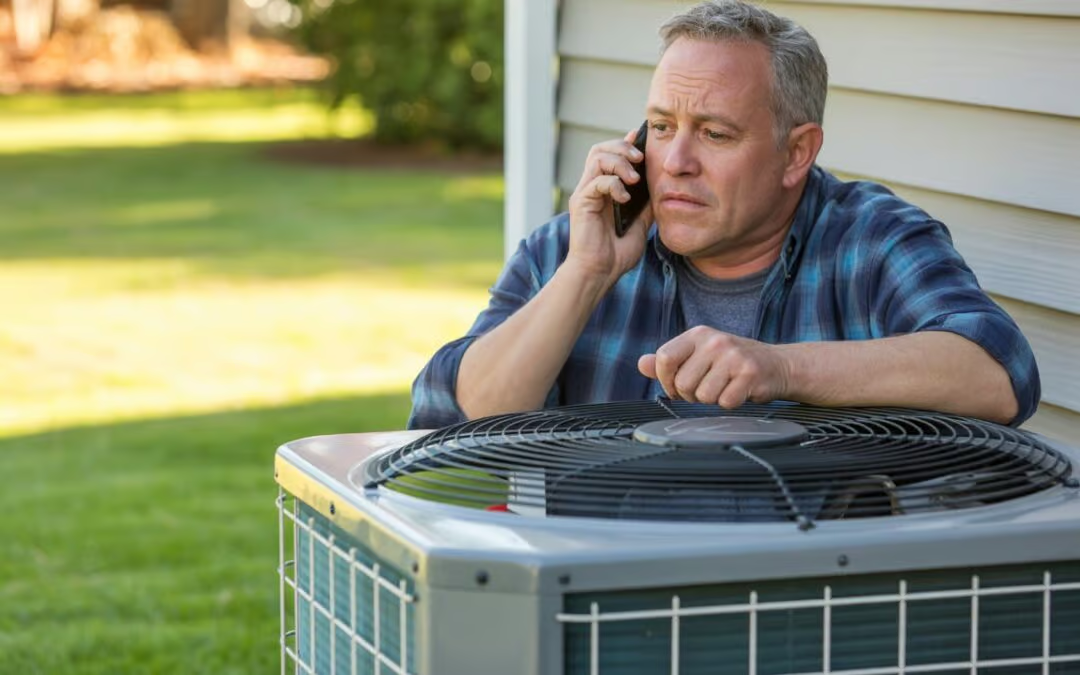
Your electric bill just arrived, and the number makes you do a double-take. It’s June in Lynchburg, and your AC has been running overtime—but should it really cost this much?
When your cooling system struggles to maintain comfortable temperatures while your utility costs climb, you’re facing more than just an inconvenience. You’re looking at potential system inefficiency that will only get worse without professional intervention.
This article will help you identify the specific warning signs that separate normal seasonal increases from problems requiring immediate technician attention. And explain why addressing AC inefficiency now protects both your comfort and your wallet.
What are signs my AC needs professional repair?
Call an HVAC technician when you notice these warning signs:
- Electric bills increasing 15-20% or more without usage changes
- AC running constantly but failing to reach thermostat settings
- Warm air blowing from vents or inconsistent cooling between rooms
- Unusual sounds like grinding, squealing, or banging from the unit
- Ice formation on refrigerant lines or the outdoor unit
- Moisture or water pooling around indoor components
- Musty odors or reduced airflow from vents
These symptoms indicate mechanical failures, refrigerant issues, or electrical problems that require professional diagnosis and repair.

Understanding the Connection Between AC Inefficiency and Rising Costs
Your air conditioner accounts for 12-27% of your home’s energy consumption during cooling season. [1] [2] That’s a big chunk of your utility bill.
When systems become inefficient, they run longer cycles to achieve the same cooling effect. Think of it like a car with a failing engine—you’re pressing the gas pedal harder just to maintain the same speed. More effort, more fuel, worse performance.
Lynchburg’s humid summer climate doesn’t help. When temperatures hit the upper 80s and 90s, an inefficient system works even harder. The humidity compounds every efficiency loss your AC already has.
Normal Seasonal Increases vs. Problem Indicators
Here’s the thing—your bill will naturally increase during peak months. That’s expected and proportional to the weather.
But problem indicators look different. Significant increases compared to last year’s same month—well beyond normal weather variations—suggest equipment issues. Costs climbing each month despite similar usage patterns? That’s likely mechanical failure, not summer heat.
You need to distinguish between weather-driven increases and equipment problems. One is normal. The other costs you money every single day you ignore it.
Recognizing these cost patterns is the first step—now let’s examine the specific symptoms that demand immediate attention.
Warning Signs That Require Professional Attention
The System Runs Continuously Without Reaching Set Temperature
Your thermostat says 72°F. The display reads 78°F. Hours pass, and that gap doesn’t close.
This indicates a lack of cooling capacity. Your system can’t deliver what it’s supposed to deliver.
Possible causes include refrigerant loss, compressor problems, or inadequate airflow. Before you call, check your air filters and thermostat settings—those are the easy fixes. But if the temperature gap persists for hours? You need professional diagnostics.
Uneven Cooling Throughout Your Home
Your second floor feels like an oven while the first floor is comfortable. Or one specific room never cools down, no matter how long the system runs.
This suggests ductwork issues, zoning problems, or insufficient capacity for your home’s layout. These aren’t problems you can solve with a YouTube video. They require technical assessment and calibrated solutions.
Ice Formation on Components
Ice on your refrigerant lines or outdoor unit signals serious problems. Not minor problems—serious ones.
The causes? Low refrigerant, restricted airflow, or failing components. And here’s what makes this particularly bad: continued operation can cause compressor failure.
Compressor replacement costs run $1,500 to $2,500 or more. That’s what happens when you keep running a system with ice buildup.
Strange Noises During Operation
Normal operation sounds like consistent white noise. You barely notice it.
But grinding? That’s motor bearing problems. Squealing? Belt issues or motor strain. Banging or clanking? Loose components or failing parts.
Common AC sounds and what they mean:
- Grinding = motor bearings wearing out
- Squealing = belt slipping or motor under strain
- Banging/clanking = loose or broken internal components
- Hissing = potential refrigerant leak
These aren’t DIY-diagnosable issues. The sounds tell you something’s wrong, but identifying the exact problem takes equipment and expertise.
If you’re experiencing any of these symptoms in your Lynchburg home, call Solutions Heating and Cooling at (434) 771-0977 to schedule a diagnostic appointment.
Rising Humidity Levels Indoors
Your AC does two jobs: cooling and moisture removal. When humidity stays high despite the system running, you’ve lost dehumidification capacity.
Common causes include oversized equipment, refrigerant problems, or failing components. The impacts go beyond discomfort—you’re looking at potential mold growth and home damage. [3]
The Cost of Delaying Professional Service
These warning signs point to real problems, but many homeowners hesitate to call for service. Here’s why that delay costs more than the repair.
Small Problems Become Expensive Repairs
A $300-$500 refrigerant leak seems manageable. You tell yourself you’ll deal with it next month.
But that leak starves your compressor. The compressor works harder, runs hotter, and eventually fails. Now you’re looking at $2,000 or more for compressor replacement.
Dirty coils work the same way. They reduce efficiency, which strains other components and shortens system lifespan.
Common repair cost escalations:
- Small refrigerant leak ($300-$500) → Full compressor replacement ($1,500-$2,500+)
- Dirty coils (reduce efficiency 5-10%) → Premature component failure (varies widely)
- Ignored strange noises → Motor or belt replacement ($400-$1,200)
Delayed service calls don’t save money. They multiply into larger expenses.
Energy Waste Adds Up Quickly
An inefficient system running through Lynchburg’s 3-month cooling season wastes $200-$400 or more. That’s one summer.
Run that same inefficient system for multiple seasons? The wasted energy exceeds what the repair would have cost. You’re paying the repair cost anyway—just spreading it across your electric bills instead of fixing the actual problem.
Comfort and Health Impacts
There’s also the reality of living in an uncomfortable home during Virginia’s hottest months.
Poor humidity control affects allergies, disrupts sleep, and creates conditions for mold growth. Your family’s wellbeing takes a hit while you wait to address the problem.
If you’re experiencing any of these issues, here’s what happens when you reach out for professional help.

What to Expect When You Call Solutions Heating and Cooling
Solutions Heating and Cooling has been serving homeowners since 2015. Our licensed technicians understand both the climate challenges you face and how residential cooling systems respond to Virginia’s humid summers.
When you call (434) 771-0977, you’re starting a diagnostic process—not a sales pitch.
Our technicians identify root causes, not symptoms. And you get transparent pricing before any work begins. No surprises, no pressure, no games.
You know what the problem is, what it costs to fix, and what happens if you don’t fix it. Then you decide.
Common Questions About High Electric Bills and AC Performance
What causes an air conditioning system to lose efficiency?
Air conditioning systems lose efficiency through refrigerant loss, compressor problems, inadequate airflow, and dirty coils. We also see efficiency decline from failing motors, restricted ductwork, and electrical component deterioration. Each of these issues forces your system to work harder and run longer cycles to achieve the same cooling effect, which increases your energy consumption.
Why won’t my air conditioner reach the temperature I set on the thermostat?
When your air conditioner won’t reach your thermostat setting, you’re experiencing a loss of cooling capacity. We commonly find this caused by refrigerant loss, compressor problems, or inadequate airflow. Before calling for service, check your air filters and verify your thermostat settings—but if the temperature gap persists for hours, you need professional diagnostics.
How can I tell if my air conditioner is wasting energy?
You can tell your air conditioner is wasting energy when your electric bills increase 15-20% or more without usage changes, your system runs constantly but fails to reach thermostat settings, or you notice ice formation on refrigerant lines. We also look for unusual sounds, moisture pooling around components, and reduced airflow—all symptoms that indicate your system is working harder than necessary.
Resources
- https://www.energy.gov/energysaver/air-conditioning
- https://www.eia.gov/energyexplained/use-of-energy/homes.php
- https://www.cdc.gov/mold-health/about/