

Summer temperatures in Lynchburg regularly climb into the 90s, putting serious strain on air conditioning systems. The last thing any homeowner wants is an AC breakdown during a July heat wave when repair companies are backlogged for days. Taking time now to prepare your cooling system can prevent emergency failures, reduce energy costs, and keep your family comfortable throughout the hot season.
This pre-season checklist walks you through the steps homeowners can handle themselves and identifies when professional service becomes necessary. Whether your system is 5 years old or 15, proper preparation makes the difference between a reliable summer and a costly emergency.
What should I check on my AC before summer?
Before summer arrives, homeowners should check several key components on their air conditioning system:
- Replace or clean the air filter
- Clear debris from around the outdoor unit
- Check that the thermostat is functioning properly
- Inspect visible refrigerant lines for damage
- Test the system by running it for 15-20 minutes
- Verify all vents inside the home are open and unblocked
- Listen for unusual noises during operation
Professional maintenance should include refrigerant level checks, electrical connection testing, and internal component cleaning that homeowners cannot safely perform themselves.
Start with Your Air Filter – The Foundation of System Performance
Your air filter protects your cooling system from dust and debris while cleaning your home’s air. A clogged filter forces your AC to work harder, driving up energy costs and shortening system lifespan.
Replace your filter every 30-90 days. [1] Homes with pets or allergies need monthly changes. Living alone without pets? You can stretch to 90 days. Look for MERV ratings between 8-11, or as high as your system can accommodate. Consult your HVAC manual or a professional to determine the highest efficiency filter that works for your system. [2]
- Note your filter size for future purchases
- Set a calendar reminder for monthly checks
- Keep spare filters on hand so you’re never caught without one
Once you’ve addressed your indoor filter, shift your attention outside where your condenser unit needs preparation.
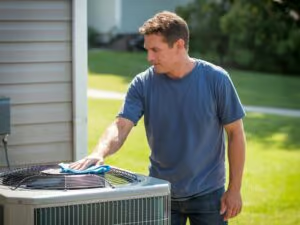
Inspect and Clean Your Outdoor Condenser Unit
Your outdoor unit removes heat from your home. After sitting through winter, it’s likely covered in debris that blocks airflow and reduces efficiency.
Clear the Perimeter
Remove leaves, grass clippings, and debris within 2 feet of the unit. Trim back shrubs and vegetation for proper clearance. Even minor blockages force your system to work harder and use more energy.
Clean the Fins
Turn off the power first at the disconnect box—this is non-negotiable for safety. Use a regular garden hose to spray the fins from inside out, pushing debris away from the unit. Never use a pressure washer—high pressure bends the delicate aluminum fins. If fins are bent, a fin comb from your local hardware store can straighten them.
Check the Concrete Pad
Your condenser should sit level on its pad. Significant tilting puts stress on refrigerant lines and requires professional attention.
With your outdoor unit cleaned and cleared, return inside to test your system’s operation.
Test Your Thermostat and System Operation
Lower your thermostat 5-10 degrees below current temperature and wait 10-15 minutes. Your system should kick on and blow cold air. Listen for sounds—gentle humming is normal. Grinding, squealing, or banging signals problems needing professional attention.
Review your summer schedule settings if you have a programmable thermostat. Make sure you’re set for cooling, not still running winter heating programs. Upgrading from old manual thermostats can reduce cooling costs by about 10% through better temperature management. [3]
For established homeowners with smart home systems, this is a good time to verify your thermostat integrates properly with your other devices. New homeowners should take time to understand how their inherited system operates—don’t assume the previous owner left it set up correctly.
While your system runs its test cycle, take time to inspect airflow throughout your home.
Examine Interior Vents and Airflow
Your vents control how effectively your system cools your home. Blocked or dirty vents create pressure imbalances that force your AC to work harder.
Check Your Supply Vents Walk through your home and verify furniture, curtains, or other items aren’t blocking registers. Even one closed or blocked vent reduces efficiency and creates hot and cold spots throughout your home.
Clean Your Return Air Vents Vacuum return vents to remove dust buildup. These larger vents pull air back into your system—accumulated dust circulates through your home and clogs your filter faster.
Keep All Vents Open Closing vents in unused rooms doesn’t save energy. It creates pressure imbalances, increases costs, and can damage your system. Open all vents before summer and keep them clear.
These homeowner tasks form the foundation of AC preparation, but certain maintenance requires professional expertise.
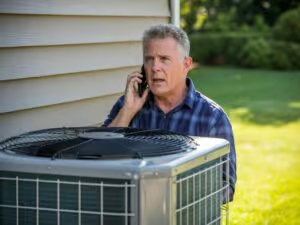
When to Call a Professional
You can handle filters and basic cleaning, but some tasks require licensed technicians. Solutions Heating and Cooling has served Virginia homeowners since 2015, bringing established expertise to Lynchburg families dealing with hot, humid summers that put serious strain on cooling systems.
Professional maintenance includes:
- Refrigerant level measurement and adjustment (EPA regulations require licensed professionals)
- Electrical connection inspection and tightening
- Capacitor and contactor testing
- Evaporator coil cleaning
- Condensate drain clearing and treatment
- Motor lubrication and belt inspection
These services catch small problems before they become emergencies.Catching a failing capacitor during maintenance means a planned repair on your schedule. That same failure during July means no cooling, emergency service charges, and potential compressor damage from repeated start attempts.
Schedule maintenance in April or May before peak demand. Waiting until June means longer wait times and less flexibility.
Need professional AC maintenance before summer? Solutions Heating and Cooling serves Lynchburg homeowners with expert pre-season service. Call (434) 771-0977.
Signs Your System Needs More Than Basic Prep
Watch for warning signs that indicate professional evaluation:
- System runs but doesn’t cool adequately
- Frequent cycling on and off every few minutes
- High humidity levels despite AC operation
- Unusual odors from vents (musty, burning, or chemical smells)
- Ice formation on refrigerant lines or indoor unit
- Rising energy bills without changes in usage patterns
- System age over 12-15 years with declining performance
Systems showing multiple warning signs might need replacement rather than continued repairs. Units past their expected lifespan lose efficiency yearly, and repair costs add up. Modern systems may use 30-40% less energy than 15-year-old units, offsetting replacement costs through lower bills.
New homeowners should evaluate inherited systems carefully. You don’t know the maintenance history or remaining lifespan. Finding problems in April gives you time to plan. Discovering them during a July heat wave means emergency decisions and limited options.

Don’t Wait for the Heat Wave
Don’t wait until the first 90-degree day to discover your AC isn’t ready for Lynchburg’s summer heat. Solutions Heating and Cooling offers comprehensive pre-season maintenance that goes beyond basic homeowner preparation. Our licensed technicians inspect, clean, and optimize your system to prevent breakdowns during peak cooling season. Schedule your pre-season AC tune-up today and enjoy peace of mind all summer long.
Call (434) 771-0977 to book your appointment.
Common Questions About Pre-Season AC Preparation
What steps should I take before starting my air conditioner for the season?
Before starting your air conditioner for the season, homeowners should replace or clean the air filter, clear debris from around the outdoor unit, and check that the thermostat functions properly. Other preparation steps include inspecting visible refrigerant lines for damage, testing the system by running it 15-20 minutes, verifying all indoor vents are open and unblocked, and listening for unusual noises during operation.
When should I call an HVAC technician instead of DIY?
Homeowners should call an HVAC technician for tasks requiring specialized training and equipment, including refrigerant level measurement and adjustment, electrical connection inspection, capacitor and contactor testing, evaporator coil cleaning, condensate drain clearing, and motor lubrication. While homeowners can handle filters and basic cleaning, these technical services require licensed professionals to perform safely and legally.
What are the warning signs that my AC needs repair?
Warning signs an AC needs repair include a system that runs but doesn’t cool adequately, frequent cycling on and off every few minutes, high humidity levels despite operation, unusual odors from vents, ice formation on refrigerant lines, and rising energy bills without usage changes. Homeowners should also watch for grinding, squealing, or banging sounds during operation, which signal problems needing professional attention.
Resources
- https://www.consumerreports.org/appliances/air-filters/how-often-do-you-need-to-change-your-hvac-air-filters-a6062784998/
- https://www.epa.gov/indoor-air-quality-iaq/what-merv-rating
- https://www.consumerreports.org/appliances/thermostats/are-smart-thermostats-worth-it-a7822875275/