
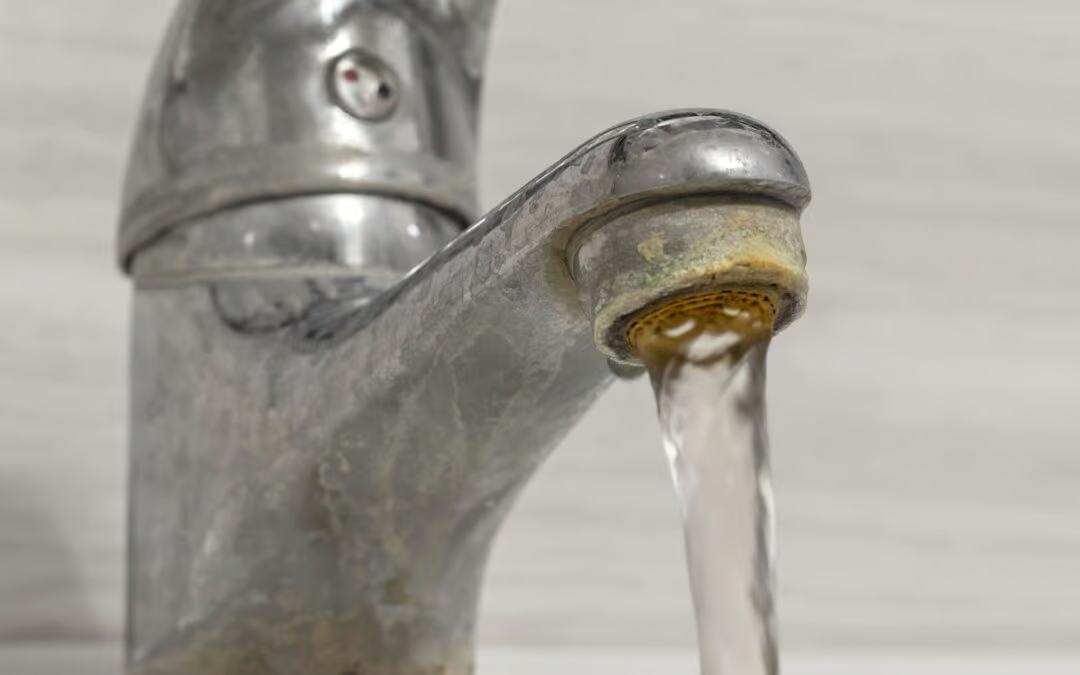
Your water tastes fine. Your dishes look clean. Your showers feel normal. None of that means your water is problem-free.
For homeowners on well water across Southside Virginia, the real signs you need a water softener rarely show up in a glass of water. Hard water goes to work somewhere else first: your water heater, your pipes, your washing machine. Hard water can cause real damage without ever changing how your water tastes — plenty of people never notice a difference at all.
If you’re trying to figure out whether hard water is behind what’s going on in your house, look past the tap. The clues are in your appliances, your skin, and your water pressure.
How Do You Know If You Need a Water Softener?
You may need a water softener if you notice these signs of hard water in your home, even if your water tastes normal:
- White, chalky buildup on faucets, showerheads, or pipes
- Water heaters, dishwashers, or washing machines wearing out faster than expected
- Dry, itchy skin or dull, brittle hair after showers
- Soap and shampoo that won’t lather well
- Spots or a hazy film on dishes and glassware
- Noticeably lower water pressure over time
What Hard Water Is Actually Doing to Your Home
Why Well Water in Southside Virginia Runs Harder Than City Water
Most homes on well water pull their supply straight from the ground, and that water picks up calcium and magnesium as it moves through soil and rock before it ever reaches the tap. The US Geological Survey classifies water as hard once dissolved calcium carbonate crosses about 121 milligrams per liter. City water systems can treat and adjust for hardness before it reaches a home. Well water skips that step entirely, so whatever minerals sit in the ground end up in your pipes unless you add a system to manage them yourself.
The Damage That Shows Up Before the Taste Does
The signs above aren’t cosmetic. White buildup on a showerhead is the same mineral scale building up inside your water heater, where you can’t see it happening. That scale forces the unit to work harder to heat the same amount of water, which shortens its lifespan and raises your energy bill along the way. The same goes for a well pump and pressure tank: minerals wear on moving parts long before a failure shows up. Hard water rarely causes the catastrophic failure itself. It just makes one arrive years sooner than it should.
Not sure if hard water is behind your home’s issues? Solutions Heating & Cooling tests well water and gives you a straight answer. Call (434) 404-4461.
What’s the Average Cost of a Water Softener System?
There’s no single price that fits every home, and the honest answer changes based on a few things. Salt-based systems, the most common option, typically cost less upfront than salt-free conditioners, though they need periodic salt refills and upkeep. Household size matters too: a family of five uses more water and needs a higher-capacity system than a couple in a smaller home. The right size for your household also depends on how hard your specific water tests, which is why testing comes before pricing, not after.
What’s the Average Lifespan of a Water Softener?
A well-maintained water softener can last 15 to 25 years. [1] Getting there comes down to a properly sized unit that matches your household’s water use and hardness level, with basic maintenance kept up over time. A model that’s undersized for your home, or installed without accounting for how hard your water actually is, tends to wear out well before that range. The lifespan you get depends less on the price tag and more on whether the system was matched to your home in the first place. Your trusted Halifax plumber will help you go over your choices.

What Are the Downsides of Having a Water Softener?
A water softener isn’t free of tradeoffs, and they’re worth knowing upfront. Salt-based systems need regular salt refills and maintenance, and they add a small amount of sodium to your water while removing calcium and magnesium. That’s not a health concern for most households, but it matters if someone in your home is on a sodium-restricted diet. There’s also the upfront cost of the system and installation, plus keeping up with maintenance over time.
Salt-free conditioners skip some of these tradeoffs, but they come with their own:
- Salt-based systems: lower upfront cost, need salt refills and upkeep, add a small amount of sodium
- Salt-free conditioners: no salt or sodium, less maintenance, but higher unit cost and less effective on very hard water
None of this makes a water softener a bad investment. It means the right system depends on your household, not a one-size-fits-all pick.
Getting Your Well Water Tested Before You Choose a System
Why Testing Matters More for Well Water Than City Water
City water comes with an annual report telling you what’s in it. Well water doesn’t come with any of that. The Virginia Cooperative Extension’s Household Water Quality Program is built around exactly this gap: private well owners are solely responsible for testing, maintaining, and understanding their own water, because nobody else is checking it for them. [2]
That’s the piece that gets skipped most often. Homeowners buy a system based on general symptoms, without a real number for exactly how hard their water is or what else might be in it alongside the calcium and magnesium. A softener sized for the wrong hardness level works harder than it needs to, burns through more salt, and wears out sooner than it should.
We’ve spent over a decade in Southside Virginia, and well water testing is where we start every conversation about hard water, not where we end it. With more than a thousand positive Google reviews from homeowners across the region, we’ve built our name on giving straight answers before recommending a system, not the other way around.

If you’re seeing any of these signs at home, the next step is finding out exactly what’s in your water instead of guessing. Solutions Heating & Cooling has served Southside Virginia for over a decade, and our team tests well water and helps homeowners choose the right treatment system for their household, not a one-size-fits-all upsell. Call (434) 404-4461 to schedule a water test and get straight answers about what your home actually needs before you spend money on the wrong fix.
Solutions Heating & Cooling 5037 Halifax Road Suite 14, Halifax, VA 24558
Hard Water FAQs for Southside Virginia Homeowners
How do you know if you need a water softener?
You need a water softener when white, chalky buildup shows up on faucets and showerheads, appliances wear out faster than expected, your skin feels dry or your hair turns dull after showers, soap won’t lather well, dishes show spots, or water pressure drops over time.
What does a water softener system cost?
Water softener costs vary by household size, water hardness, and system type. Salt-based systems typically cost less upfront than salt-free conditioners, though they need ongoing salt refills. Pricing follows a water test that measures your home’s exact hardness level. Call (434) 404-4461 to schedule yours and get a system suited to your home.
How long does a water softener last?
A well-maintained water softener typically lasts 15 to 25 years. Reaching that range depends on choosing a properly sized unit for your household’s water use and hardness level, paired with basic maintenance over time. A system that’s undersized or mismatched to your water’s hardness tends to wear out well before that.
Resources
- https://www.bobvila.com/articles/how-long-do-water-softeners-last/
- wellwater.bse.vt.edu/vahwqp.php