

Southside Virginia gets hit hard when summer storms roll through, and the ground can’t always keep up. Heavy rain after heavy rain pushes groundwater levels up fast, especially on properties with clay-heavy soil that doesn’t drain the way sandy or loamy soil does. That’s when your sump pump goes to work — and for a lot of homeowners on well water out here, that’s also when the worry sets in. Is it running too much? Is it keeping up, or is it about to give out?
We want you to know why your sump pump works harder in summer, what the warning signs look like when it’s struggling instead of just doing its job, and what to do before the next storm puts it to the test.
How often should a sump pump run in summer?
During heavy summer rain, it’s normal for a sump pump to cycle every few minutes rather than every few hours — clay-heavy soil like much of Southside Virginia’s tends to push that toward the more frequent end, since the ground holds water instead of letting it drain through.
What Makes Summer Storms Different for Sump Pumps
One heavy rain is one thing. Your yard soaks it up, the ground drains, and life goes on. But summer storms in Southside Virginia rarely show up alone. They stack, one after another, and the ground never really gets a chance to dry out in between.
A lot of this area sits on clay-heavy soil, and clay doesn’t drain the way sandy or loamy soil does. Water moves through it slowly, so instead of soaking down and away, it sits closer to the surface and backs up against your foundation. The Northern Virginia Soil and Water Conservation District explains that clay-rich soils have low permeability, meaning water moves through them far more slowly than sandier ground, and that a high seasonal groundwater table can sit just below the surface during wet periods. [1] String together a few storms in a row, and that groundwater table climbs and stays up — steady pressure instead of a quick pulse that fades in a day. Rural properties on well water often sit on naturally higher water tables to begin with, so the same rainfall can push groundwater right up against an older foundation.
Why Older Homes Are Especially Vulnerable
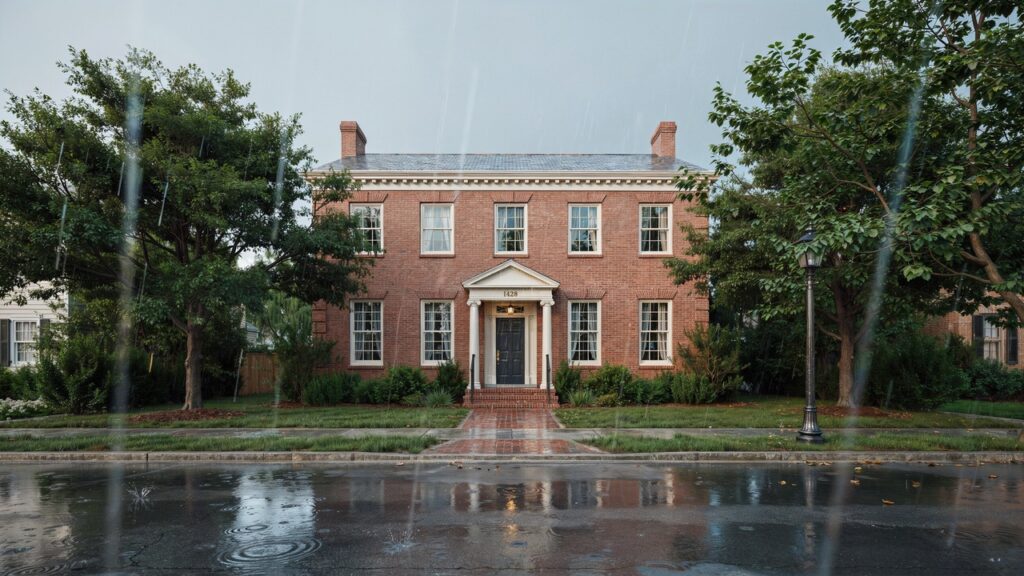
A lot of Halifax County homes were built decades ago with sump systems sized for the storms of that era, not the back-to-back soakers we get now. Add in foundations that have settled and shifted over the years, and the pump ends up working harder just to keep pace.
Have a Question About Your Home?
Talk to a real person on our Halifax team. We'll give you a straight answer and an upfront price.
Signs Your Sump Pump Is Struggling (Not Just Working Hard)
There’s a real difference between a pump that’s working hard and a pump that’s in trouble. Here’s what tells you which one you’re dealing with:
- Constant cycling, rain or no rain. A pump that keeps running long after the storm has passed and the sky’s clear isn’t just being thorough — something’s off.
- Unusual noise. Grinding, humming, or rattling sounds that weren’t there before usually mean a part is wearing out or something’s stuck.
- Water that isn’t draining. If you can see standing water in the pit and the pump is running, it should be going down. If it’s not, the pump isn’t keeping up.
- Rising water despite the pump running. This is the clearest sign something’s wrong — the pump is on, it’s working, and the water level is still climbing anyway.
- A breaker that keeps tripping. Repeated trips usually point to the motor straining harder than it should.
None of these mean panic. They mean it’s time to pay attention.
When to Call a Professional vs. Monitor It Yourself
If your pump is just cycling more than usual during a heavy storm, that’s often normal — keep an eye on it, but you don’t need to call anyone in the middle of the night over it. Where you shouldn’t wait is if water keeps rising even with the pump running, or if the pump stops working entirely during an active storm. Those situations need attention right away, not a wait-and-see approach.
If any of this sounds familiar, give Solutions Heating & Cooling a call at (434) 404-4461 — we’re happy to take a look before it becomes a bigger problem.
Protecting Your Basement Before the Next Storm Hits
One of the most important things you can do to protect your basement during summer storms is make sure your sump pump has power even when the grid doesn’t. Storms that bring the heaviest rain often knock out electricity too, and that’s exactly when your pump can’t afford to quit. A battery backup keeps it running through an outage, so a power failure and a flooding basement don’t happen at the same time. The Association of State Floodplain Managers notes that a self-priming pump with a battery or generator backup is one of the best ways to avoid sump pump failure in these conditions. [2]
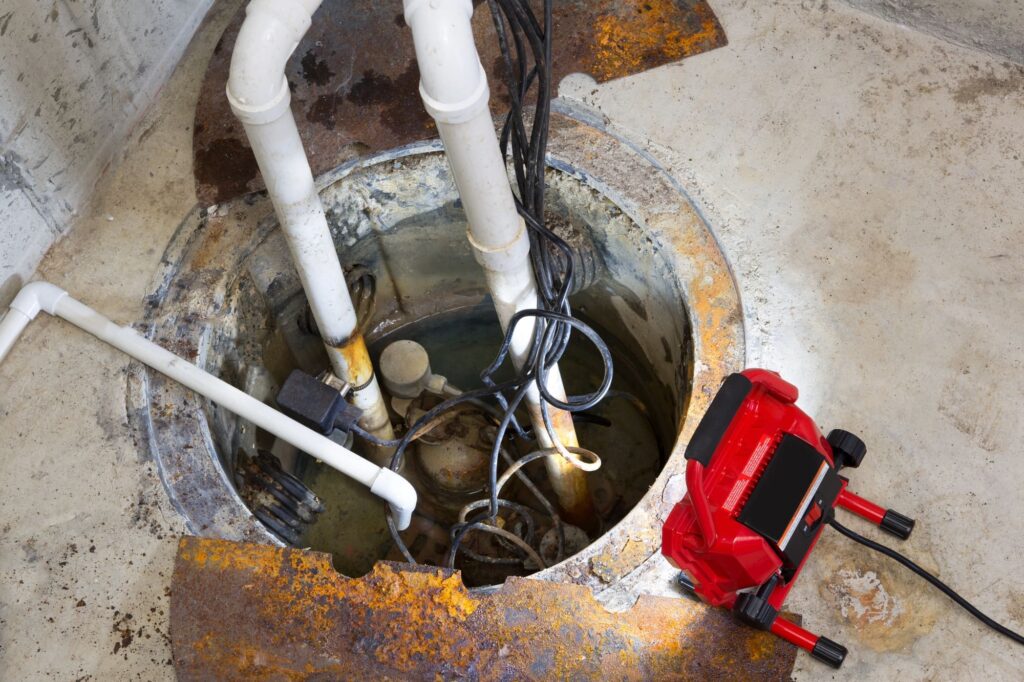
Routine testing matters too. A pump that sits untested for months can develop a stuck float switch or a worn part without you ever knowing — right up until the moment you need it most. Testing it before storm season, and again partway through, catches small problems while they’re still small. [3]
If your system is getting up in years, there comes a point where replacement makes more sense than another repair. Age, how often it’s been running, and how it’s been performing all factor in together — worth a conversation with someone who knows well water systems specifically, not just general plumbing.
Ready Before the Next Storm Rolls In
Solutions Heating & Cooling has been serving Southside Virginia for over a decade, and well water systems are a big part of what we know best — not just city plumbing dropped into a rural setting. We’ve built that reputation on hundreds of 5-star Google reviews from neighbors right here in the area.
If your sump pump has been working overtime this summer, you don’t have to wait for a crisis to get it checked out. Give us a call at (434) 404-4461 and we’ll take a look before the next storm puts it to the real test.
Solutions Heating & Cooling 5037 Halifax Road Suite 14, Halifax, VA 24558

Storm-Season Sump Pump Questions for Halifax Homeowners
How can you tell if a sump pump is starting to fail?
A struggling sump pump usually shows a few warning signs: it keeps running after the rain stops, makes grinding or rattling noises, doesn’t drain standing water, or the water keeps rising even while it’s on. A tripping breaker is another red flag worth watching.
When does a struggling sump pump need a professional instead of just monitoring?
Frequent cycling during a heavy storm is usually normal, so you can just keep an eye on it. But if water keeps rising with the pump running, or the pump stops working mid-storm, that needs attention right away — don’t wait it out.
Will a sump pump still work during a power outage?
Only if it has battery backup. Storms that bring the heaviest rain often knock out power too, so a battery keeps your pump running through an outage. Otherwise, you could end up with a flooded basement right when the power fails.
Resources
- https://www.fairfaxcounty.gov/soil-water-conservation/you-your-land-soil
- https://www.reducefloodrisk.org/mitigation/install-a-sump-pump-with-secondary-power-source/
- https://www.thisoldhouse.com/basements/21015648/is-your-sump-pump-ready-for-spring