
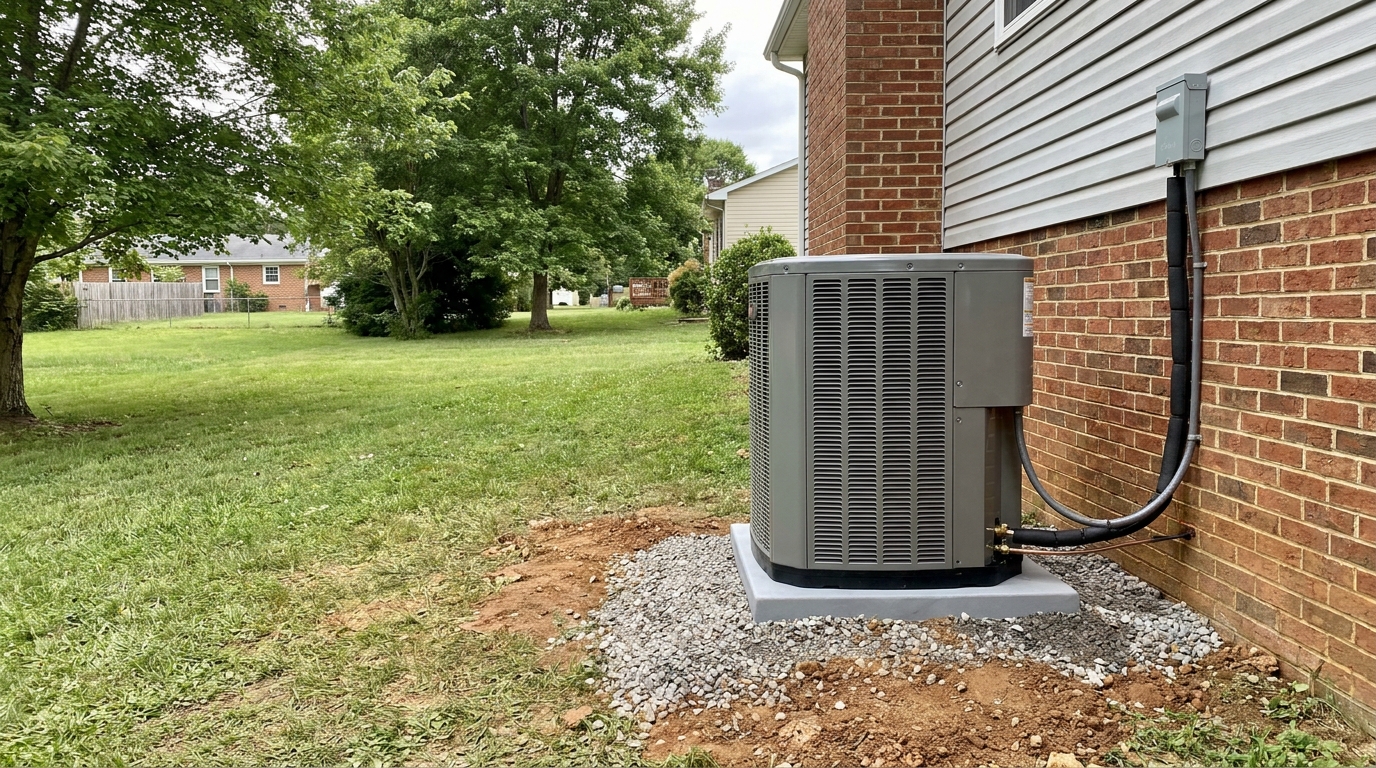
If you’re shopping for a new heat pump in Lynchburg, you’ve probably noticed the rebate information online is either outdated or doesn’t apply to Virginia at all. A lot of it still points to a federal tax credit that no longer exists. We’re breaking down what SEER2 actually means, which rebates are still real and active for Appalachian Power customers, and how to figure out which efficiency tier is worth paying for in your specific home.
What SEER2 Means and Why It Replaced SEER
Open the spec sheet on any heat pump you’re pricing in Lynchburg and you’ll see SEER2, not SEER, and that single number decides which rebates you qualify for. SEER2 is the updated efficiency rating for heat pumps and air conditioners, measuring how much cooling you get for every unit of electricity under tougher, more realistic test conditions. [1] The Department of Energy made it the required standard in 2023. [2] The old SEER test didn’t account for the air resistance real ductwork creates, so it painted a rosier picture than most homes ever delivered.
The new test adds that resistance. Numbers come out a little lower as a result, so a unit’s SEER2 figure usually reads a few points under its old SEER rating even though the equipment itself is just as efficient. Don’t compare a SEER2 number against an old SEER number and assume one is worse. They’re measured on different scales.
Does Your Heat Pump Qualify for a Rebate Right Now?
The main verifiable rebate pathway for most Lynchburg homeowners is Appalachian Power’s Take Charge Virginia program. If you’re an Appalachian Power customer, this is where the real, active money sits, though the rebates don’t cover everything people assume they do.
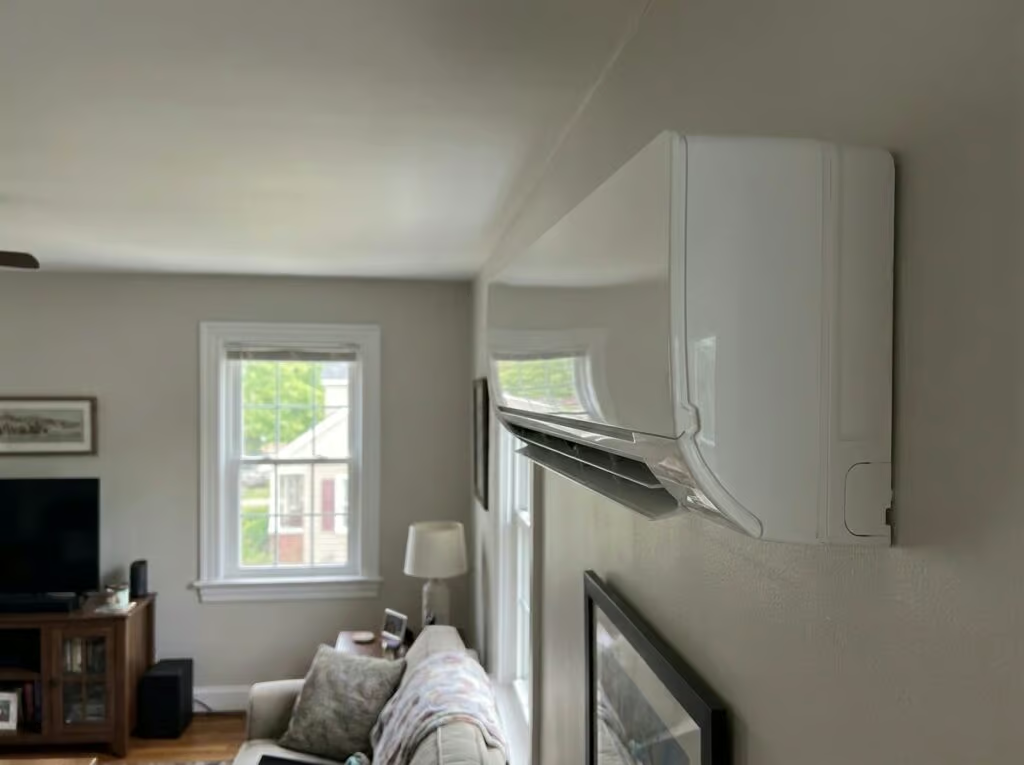
Here’s what the program actually rebates:
- Ductless mini-split heat pumps, typically in the range of $300 to $400 per indoor unit installed
- ENERGY STAR heat pump water heaters, rebates up to roughly $400
- Central AC and insulation improvements, available through the audit-based Home Performance Program, which requires a qualifying home energy assessment first
Notice what’s missing. Appalachian Power does not currently offer a rebate for a standard ducted whole-home heat pump replacement, even though plenty of stale pages online suggest otherwise, and homeowners end up disappointed when the swap they planned doesn’t qualify. If you’re replacing a central ducted system, your savings come from the Home Performance Program and smart equipment choices, not a direct swap rebate.
Not everyone in the Lynchburg area is served by Appalachian Power. If you’re on Central Virginia Electric Cooperative, you have a member-owned utility that runs its own programs, and we’d steer you to confirm current offerings directly with them rather than assume the rebates match Appalachian Power’s. They don’t always line up.
One more thing worth knowing. Virginia received federal funding for the IRA-backed HOMES and HEAR rebate programs, which promise larger incentives for efficiency upgrades. As of now, those programs have not launched in Virginia and there’s no confirmed start date. Don’t build your purchase plan around money that isn’t available yet.
Have a Question About Your Home?
Talk to a real person on our Lynchburg team. We'll give you a straight answer and an upfront price.
What Happened to the Federal Heat Pump Tax Credit
The Section 25C federal tax credit for heat pumps expired on December 31, 2025. For years it offered up to $2,000 back on a qualifying high-efficiency heat pump, and you’ll still find that figure repeated all over older contractor websites. It is no longer available for equipment installed in 2026.
This changes how you plan a purchase. With the federal credit gone, utility rebates and picking the right efficiency tier carry more weight than they used to. There’s no longer a big federal check waiting to soften a jump to the highest-end system.
Tax policy shifts, and new incentives can appear. Before you assume any federal credit applies to your 2026 install, confirm its current status. We’d rather you plan around what’s real today than around a number that was true two years ago.
Picking the Right Efficiency Tier for Your Lynchburg Home
Chasing the highest SEER2 number on the shelf isn’t always the smart move. The right tier depends on your home’s size, insulation, and the shape your ductwork is in, a top-tier unit in a leaky house can underperform a mid-tier unit in a tight one.
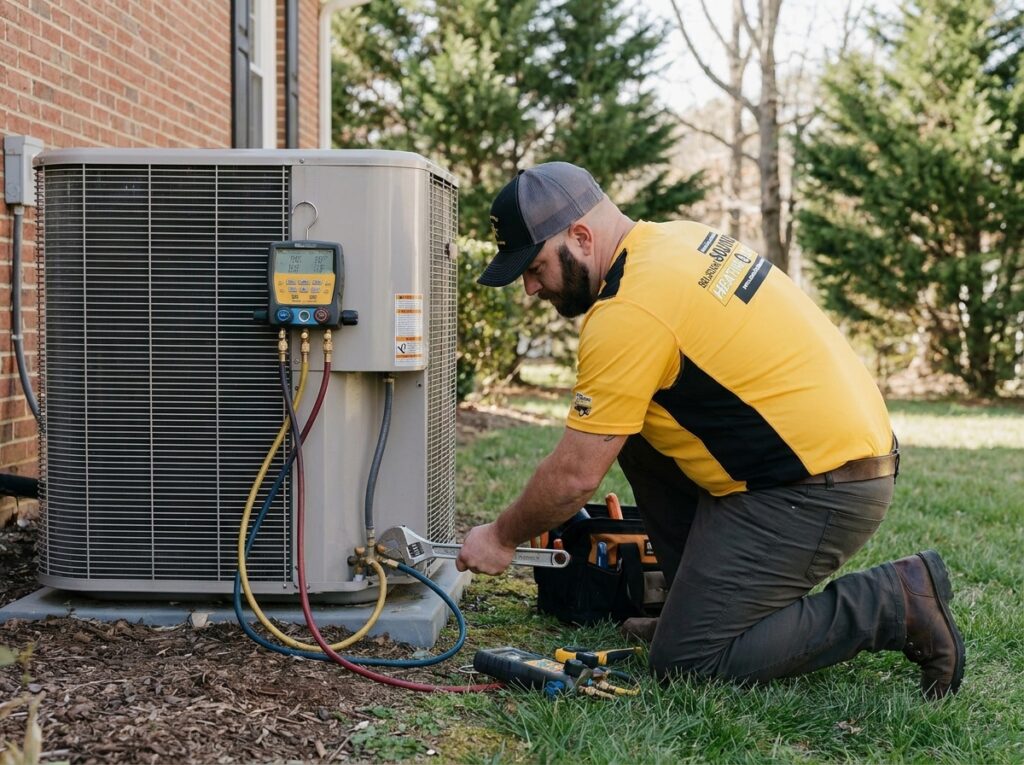
Think of it in three broad tiers. Entry-level SEER2 equipment meets the current minimum and costs less up front, which can make sense for a smaller or well-sealed home. Mid-tier units strike a comfortable balance of install cost and monthly savings, and they’re the sweet spot for a lot of Lynchburg homes. High-efficiency models cost the most, but they pay back fastest in larger homes or ones that run the system hard through long cooling seasons.
Here’s the part that trips people up. Many Lynchburg homes were built decades ago, and the original ductwork is often leaky or undersized. When ducts bleed conditioned air into a crawl space or attic, a high-SEER2 unit can’t deliver what it promises on paper. You pay for premium efficiency and watch a chunk of it escape before it ever reaches your rooms.
That’s why we examine the ducts before we talk about tiers. Our Aeroseal duct sealing process seals leaks from the inside without tearing into walls or ceilings. Fixing the ducts first often lets a mid-tier unit perform like a higher one, which saves you money twice.
Why a Home Energy Audit Comes Before Any Rebate Paperwork
The homes we work in around Lynchburg and Halifax tell the same story over and over: a new high-tier heat pump installed over leaky ductwork, poor insulation, or a damp crawl space never delivers what the spec sheet promised. That’s why our System Evaluation and Energy Audit at Solutions Heating & Cooling comes first. It exists so you buy exactly the system your home needs, not more, and so you don’t guess your way into the wrong tier or the wrong rebate pathway.
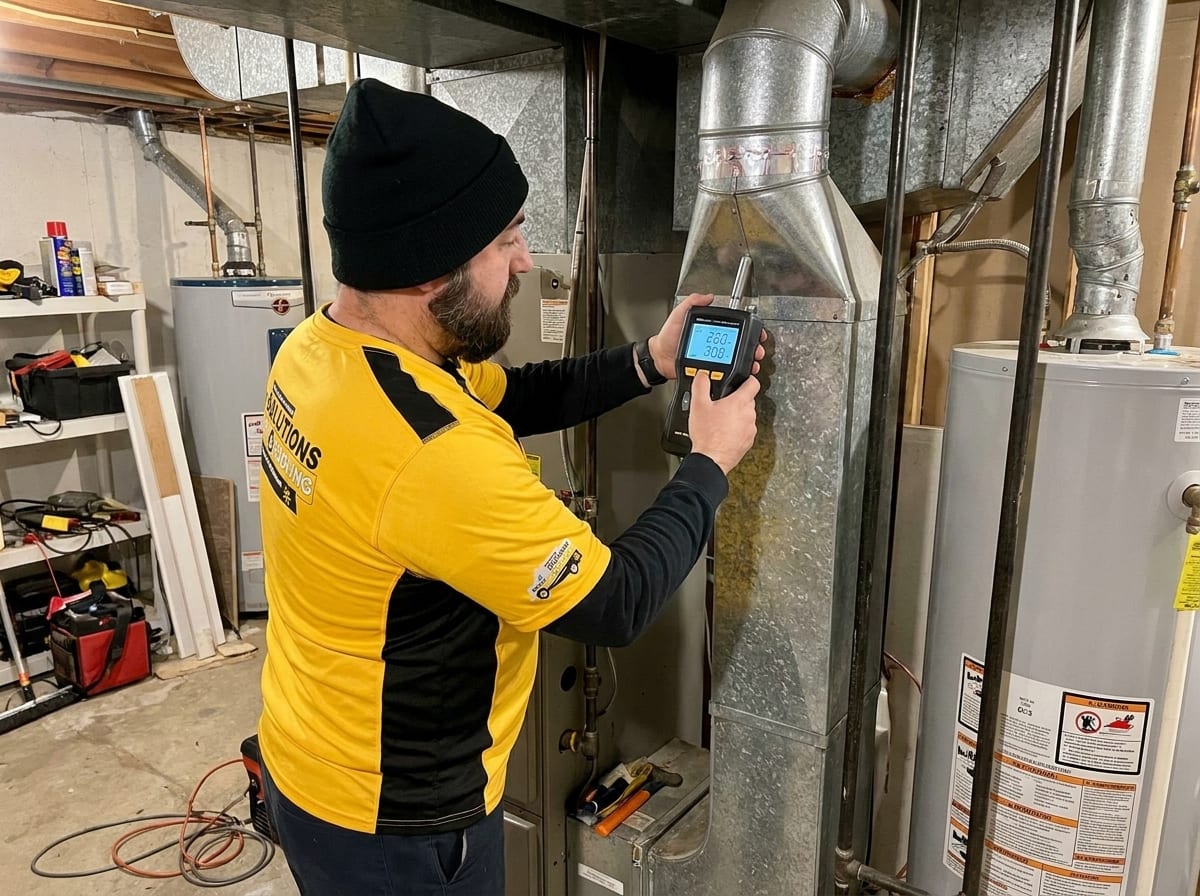
During the evaluation, we check the things that actually decide your comfort and your bills, duct condition and leakage, insulation levels, crawl space moisture, and the age and health of your current equipment. A musty crawl space or gaps in your insulation can hobble a brand-new system just as badly as worn-out ductwork.
Those findings tell us which SEER2 tier fits and which rebate you can genuinely claim. If you’re an Appalachian Power customer, the Home Performance Program’s rebates often hinge on exactly this kind of assessment, so the audit does double duty.
Weighing a new heat pump in Lynchburg? Before you file a single rebate form or commit to a tier, let a Lynchburg heating contractor that’s been handling these older Southside Virginia homes since 2015 look at yours first. Reach out to schedule a System Evaluation and Energy Audit, and we’ll give you a clear, honest picture of what your home needs and what you can actually qualify for.
Ready to find out which tier and rebate actually fit your home? Call (434) 771-0977 →
Common Questions About SEER2 and Heat Pump Rebates in Lynchburg
Is the federal heat pump tax credit still available in 2026?
No, the Section 25C federal tax credit for heat pumps expired December 31, 2025. It offered up to $2,000 on qualifying high-efficiency equipment, but it no longer applies to systems installed in 2026. Many older websites still list it, so confirm current tax policy before planning your purchase around it.
What heat pump rebates are available through Appalachian Power?
Appalachian Power’s Take Charge Virginia program rebates ductless mini-split heat pumps, ENERGY STAR heat pump water heaters, and central AC plus insulation through its audit-based Home Performance Program. It does not currently rebate a standard ducted whole-home heat pump replacement. Central Virginia Electric Cooperative members should confirm offerings directly with their own utility.
What is SEER2 and how is it different from SEER?
SEER2 is the updated efficiency rating for heat pumps and air conditioners, required by the Department of Energy since 2023. It tests equipment under tougher, more realistic conditions that account for ductwork air resistance. SEER2 numbers usually read a few points lower than old SEER ratings, even though the equipment is just as efficient.
Do I need an energy audit before installing a new heat pump?
It’s the smart first step. A System Evaluation and Energy Audit checks duct leakage, insulation, crawl space moisture, and your current equipment before you pick a tier. For Appalachian Power customers, the Home Performance Program’s rebates often require this kind of assessment, so the audit helps your comfort and your rebate paperwork at once.
Sources
- thisoldhouse.com/heating-cooling/14-3-seer2-rating-ac-unit-cost
- en.wikipedia.org/wiki/Seasonal_energy_efficiency_ratio
Start With the Audit, Not the Paperwork
The right SEER2 tier and the right rebate both start with knowing what your Lynchburg home actually needs. Call (434) 771-0977 →