

A leaking water heater puts Halifax homeowners in a tough spot — spend money on a repair that might not hold, or replace a unit you weren't budgeting for yet. Making the wrong call costs you either way.
The good news: most water heater leaks follow predictable patterns, and knowing what to look for makes the repair vs. replace decision a lot clearer. This guide walks Halifax homeowners through the most common causes of leaks, which ones are worth fixing, and the warning signs that tell you when a water heater replacement is the smarter move.
You'll learn where leaks typically start, what they mean for your unit's remaining lifespan, and how to avoid the costly mistake of repairing a water heater that's already on its way out.
When to Replace Your Water Heater Instead of Repairing It
Replace your water heater instead of repairing it when:
- The unit is 10 or more years old and leaking from the tank itself
- You've made two or more repairs in the past 12 months
- Rust-colored water is coming from your hot water taps
- The tank shows visible corrosion or sediment buildup
- Your energy bills have increased without a clear explanation
- Repair costs exceed 50% of the price of a new unit
If your unit is under 8–10 years old and the leak is coming from a fitting, valve, or connection, repair is typically worth exploring — you likely have useful life remaining in the tank.
The Most Common Causes of Water Heater Leaks
Not every leak means your water heater is done. But where it's coming from tells you a lot about what you're dealing with.
Pressure Relief Valve Leaks
The T&P valve is a safety device that releases water when temperature or pressure inside the tank exceeds safe levels. [1] Constant dripping or pooling at the floor means the valve is likely failing — a repairable issue, but one that's also a safety concern.
Drain Valve Leaks
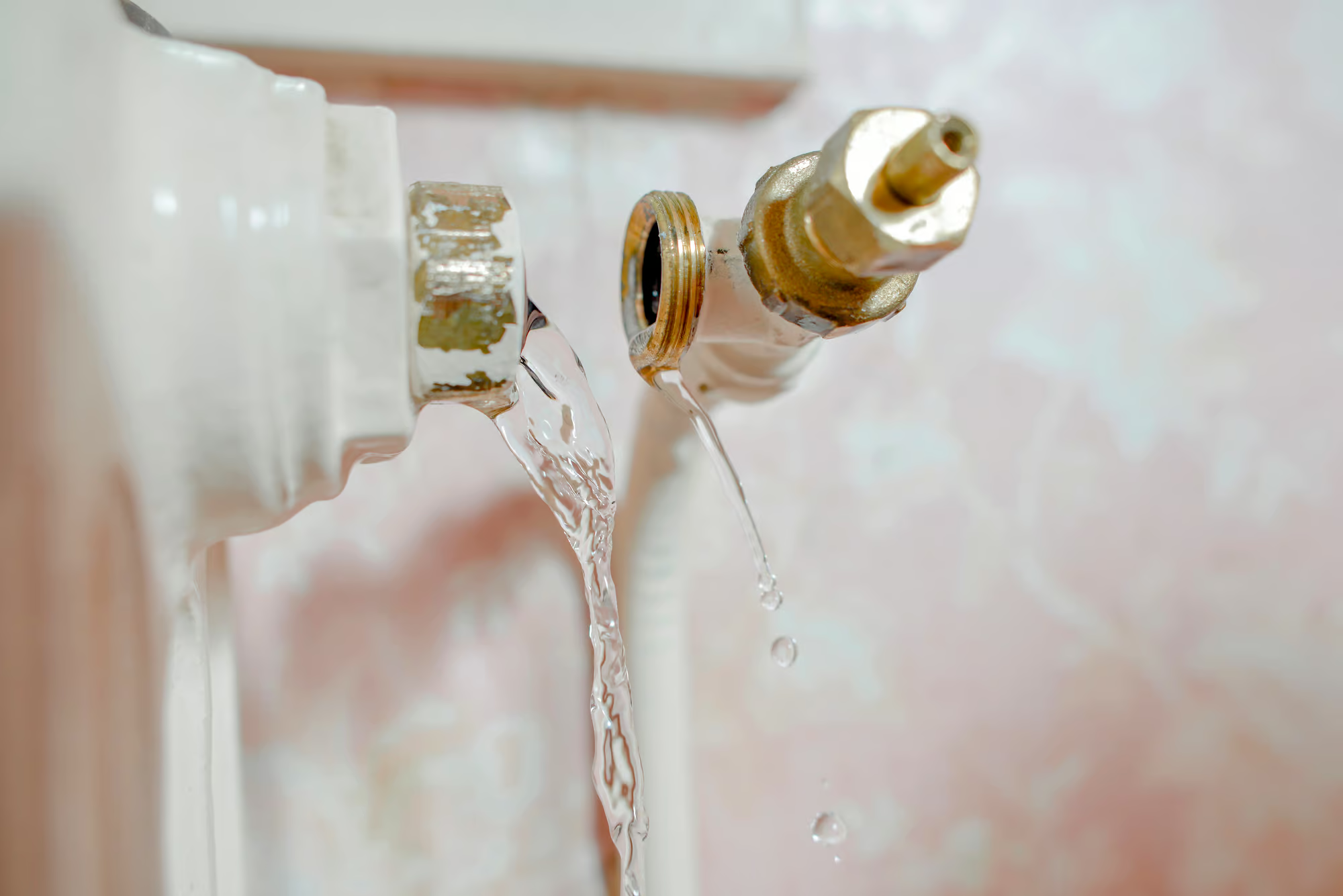
The drain valve at the bottom of the tank wears out over time, especially in homes on hard well water. A slow drip is often a simple fix. Cracked threads or a damaged valve body make the repair more involved.
Inlet & Outlet Connection Leaks
Fittings at the top of the tank loosen and corrode over time. Leaks here are almost always repairable, particularly on units under 10 years old.
Internal Tank Corrosion
This is the one that ends the conversation. When the tank is rusting from the inside out, there's no patch for it. Rust-colored water from your hot taps or unexplained moisture at the base of the unit are the telltale signs — and replacement is the only option.
How to Tell If Your Leak Is Repairable
The source of the leak matters, but it's not the only factor. These three things together will give you a clear picture.
Age of the Unit
Industry guidelines generally put the lifespan of a conventional tank water heater at 8–12 years, with some units reaching closer to 15 with proper maintenance. [2] If your unit is under 8 years old and the leak is at a valve or connection, repair is almost always worth it. If it's pushing 10 years or older and leaking from the tank itself, you're likely putting money into a unit that's already on its way out.
Where the Leak Is Coming From
- Dry off the outside of the tank
- Check the T&P valve and the discharge pipe connected to it
- Inspect the drain valve at the bottom
- Look at the inlet and outlet connections at the top
- Check the base of the tank for moisture or rust staining
If it traces back to a valve or fitting, repair is on the table. Water seeping from the tank body means internal corrosion — and that changes the conversation entirely.
Repair Cost vs. Replacement Cost
| Repair | Replacement | |
| Best case | External valve or fitting, unit under 10 years | Tank corrosion, unit 10+ years |
| Cost consideration | Typically a few hundred dollars | Typically $1,000–$2,000+ depending on unit and situation |
| Risk | May need another repair soon | Higher upfront, no repeat costs |
If the repair runs more than 50% of what a new unit would cost — put that money toward replacement instead.
📞 Already pretty sure your unit is past saving? Call Solutions Heating & Cooling at (434) 404-4461 for a same-day assessment before that leak turns into water damage.

Signs Your Water Heater Needs to Be Replaced
Sometimes the leak itself isn't the biggest red flag. These warning signs point to a unit that's already in decline.
Rust, Sediment & Water Quality Changes
Rusty or discolored water from your hot taps is a clear sign the inside of your tank is breaking down. Sediment buildup — that popping or rumbling sound when the unit is heating — means mineral deposits have hardened at the bottom of the tank. On well water, both of these problems develop faster than most homeowners expect.
Inconsistent Hot Water & Rising Energy Bills
If you're running out of hot water faster than you used to, and your energy bills are creeping up without explanation, the unit is working harder than it should. Heavy sediment forces the heating elements to overwork — and that extra strain shows up on your utility bill before the unit ever fails completely.
Already know the repair bill? Run the 50% check.
If the repair cost exceeds half the price of a new installation, replacement is the smarter investment. You'll avoid paying for a fix on a unit that's likely to need another one within the year.
Water Heater Replacement Options for Halifax Homeowners
If replacement is the right call, the next question is what to replace it with.
Traditional Tank vs. Tankless
A traditional tank water heater stores and continuously heats a set amount of water — typically 40 to 50 gallons for most homes. Lower upfront cost, straightforward installation, and a familiar technology. The tradeoff is continuous energy use to keep that stored water hot.
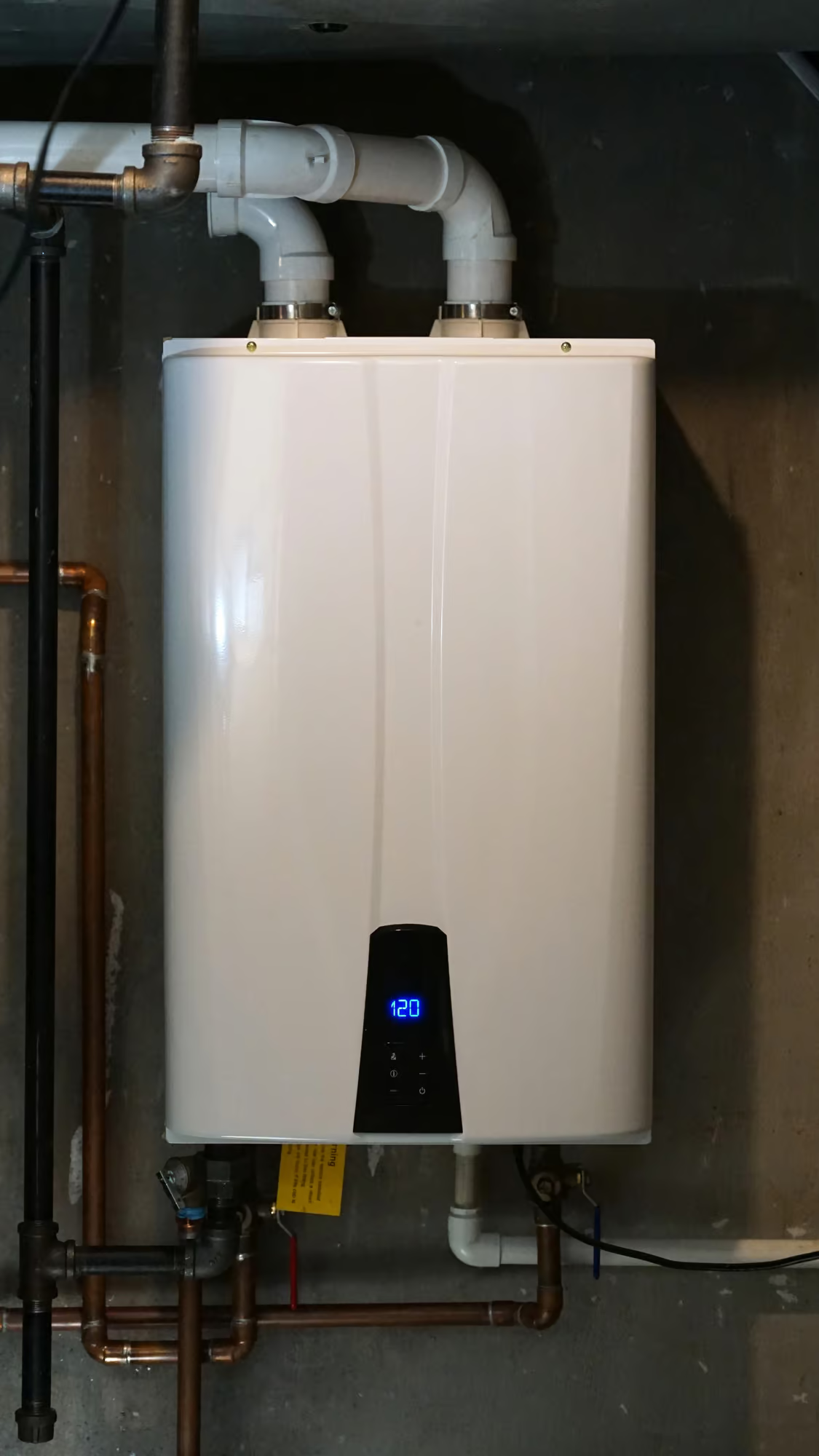
A tankless unit heats water on demand, which eliminates standby energy loss and extends equipment lifespan — tankless systems can last 20 years or more with proper maintenance. The upfront cost is higher, but the long-term energy savings often offset it. [3]
What to Know About Well Water Compatibility
Well water introduces variables that city water doesn't — hard water, sediment, and mineral content that accelerate wear on both tank and tankless systems. A sediment filter or water softener can extend the life of either unit significantly. If you're considering tankless, a technician should assess your water quality and flow rate before installation to make sure the system is sized correctly for your home.
Solutions Heating & Cooling has been serving Southside Virginia homeowners since 2015. When our technicians are out for an HVAC call, they'll take a look at your water heater's condition too — so you're not caught off guard by a failing unit down the road.
Don't Let a Leak Turn Into a Bigger Problem
A leaking water heater doesn't always mean an emergency — but it does mean the clock is ticking. The team at Solutions Heating & Cooling can assess your unit, walk you through your repair and replacement options honestly, and handle the job in a single visit. No pressure, no runaround. Call us at (434) 404-4461 to schedule a same-day assessment. We're local to Halifax and ready to help.

Should you put money into repairing a water heater that's already a decade old?
Repairing a water heater that's 10 or more years old is rarely the right call, especially if it's leaking from the tank itself. At that age, you're likely putting money into a unit that's already on its way out. If the leak is at a valve or connection on a unit under 8–10 years old, repair is still worth exploring — but age is a major factor in that decision. Call us at (434) 404-4461 to get a straight answer.
If my water heater is leaking, does that always mean it's time for a new one?
A leaking water heater doesn't automatically mean replacement is the answer. Where the leak is coming from matters a great deal. Leaks at valves, fittings, or connections are often repairable — particularly on units under 10 years old. A leak from the tank body itself is a different story. That points to internal corrosion, and there's no reliable fix for that. Replacement is the only real option at that point.
How do you decide whether to fix or replace a failing water heater?
The repair vs. replace decision comes down to three things: the age of the unit, where the leak is coming from, and how the repair cost stacks up against replacement. Units under 8 years old with leaks at valves or fittings are usually worth repairing. Older units leaking from the tank, showing rust, or requiring repairs that exceed 50% of a new unit's cost are better candidates for replacement.
Water Heater Leaks & Repair vs. Replacement: Your Questions Answered
Resources
- https://www.nachi.org/tpr-valves-discharge-piping.htm
- https://www.angi.com/articles/when-should-i-replace-my-water-heater.htm
- https://www.bobvila.com/articles/what-size-water-heater-do-i-need/