
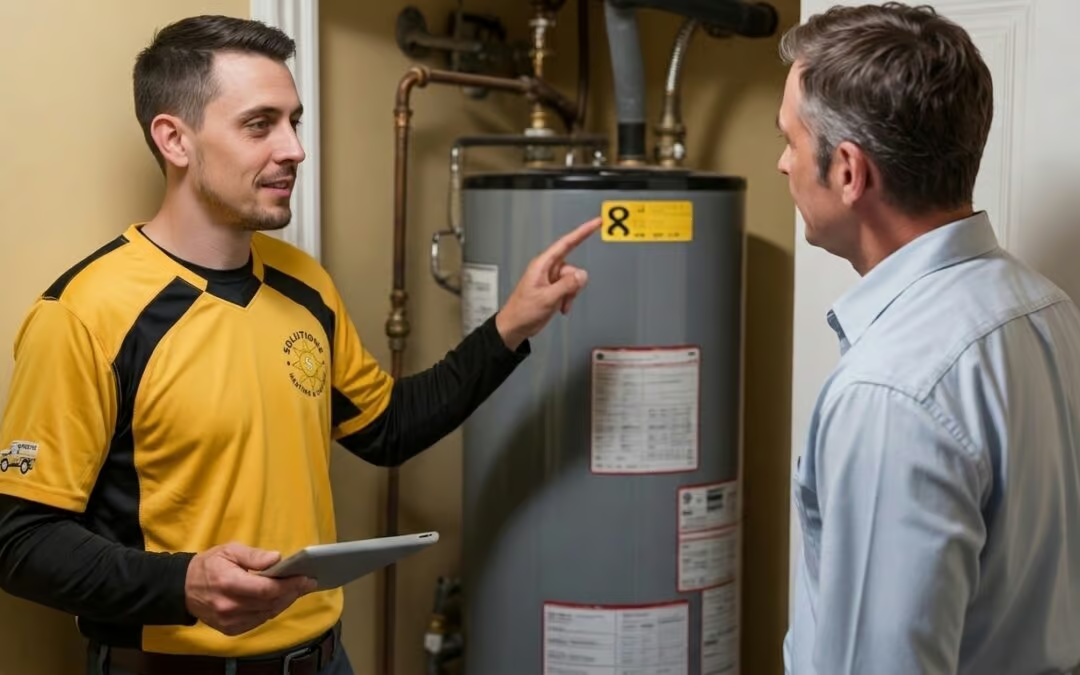
Whether water is spreading across your floor, your water heater is leaking, or a pipe just let go — every second you spend searching for answers is another second of damage. Knowing how to shut off your water in a plumbing emergency before something goes wrong can save your floors, your walls, and thousands of dollars in repairs.
For Halifax County homeowners — especially those on older homes with well water systems — this isn’t just good information to have. It’s the kind of thing you want to know before you need it.
This guide walks you through every shutoff point in your home, step-by-step instructions for the most common plumbing emergencies, and exactly what to do once the water is off.
How to Shut Off Your Water in an Emergency
If a pipe bursts or your water heater starts leaking, follow these steps immediately:
- Stay calm and locate your nearest shutoff valve
- Turn off the fixture-specific valve first (under sinks, behind toilets, behind appliances)
- If the source isn’t clear, go straight to the main shutoff valve
- Turn the valve clockwise until it stops
- Call a licensed plumber once the water is off
Knowing these steps before an emergency happens protects your home from serious water damage.
Where Are the Water Shutoff Valves in Your Home?
A lot of Halifax County homeowners don’t know where all their shutoff valves are until water is already going somewhere it shouldn’t be. Take a few minutes now to locate these three key points before something goes wrong.
The Main Shutoff Valve
Your main shutoff valve is where the water line enters the home. Common locations include:
- Near the foundation
- In a crawl space or basement
- In a utility room
If you’re on a well water system — which is common across Southside Virginia — your main shutoff is usually near the pressure tank instead. [1] To close it, turn clockwise. Older homes with gate valves require several full turns before the water stops.
Individual Fixture Shutoff Valves
These smaller valves sit under sinks, behind toilets, and behind washing machines. They let you isolate one fixture without cutting water to the whole house. Test these periodically — older valves can seize up from years of sitting in one position, and you don’t want to find that out mid-emergency.
Water Heater Shutoff
The cold water supply valve sits on top of or directly above your water heater. If your water heater is leaking, reach for this valve first before cutting the main supply. A leaking water heater is one of the most common plumbing emergencies in Halifax County homes.
Dealing with a plumbing emergency in Halifax County right now? Call Solutions Heating and Cooling at (434) 404-4461 — we respond fast.
Step-by-Step Instructions for the Most Common Plumbing Emergencies
Knowing where your valves are is half the battle. The other half is moving through the right steps quickly and calmly when something actually goes wrong. Each scenario below is laid out so you can scan it fast — even if you’re reading it mid-emergency.
Burst or Leaking Pipe
- Locate the shutoff valve closest to the leak
- Turn clockwise until fully closed
- Open a nearby faucet to release remaining pressure in the line
- Document the damage with photos before you start cleaning up
- Call a licensed plumber immediately
Leaking or Failing Water Heater
- Turn off the cold water supply valve at the top of the unit
- Switch the unit to pilot mode if it’s gas, or turn off the breaker if it’s electric
- Do not drain the tank until a plumber has assessed the situation
- Call Solutions Heating and Cooling for same-day water heater service

Well Pump Failure or Loss of Water Pressure
If your water pressure drops suddenly or stops entirely, the shutoff valve isn’t your first move here. Check your pressure tank and circuit breaker before anything else.
For Halifax County families on well water systems, a failed well pump means no water at all — not reduced pressure, not a slow trickle. Nothing. It’s one of the most disruptive plumbing emergencies a rural homeowner can face, and it’s not something you can work around while you wait. Call a plumber with well system experience immediately. This is not a DIY repair.
What to Do After the Water Is Off
Stopping the flow is the win, but the decisions you make in the next few minutes can be just as important as getting to that valve in time. Here’s what to do once the water is off:
- Document all visible damage with photos — insurance claims move much smoother with a clear before-cleanup record [2]
- Do not turn the water back on until the source of the problem has been identified
- Begin cleaning up standing water as quickly as possible to prevent mold
- Contact your homeowner’s insurance provider if the damage is significant [3]
- Schedule a plumber before restoring your water supply
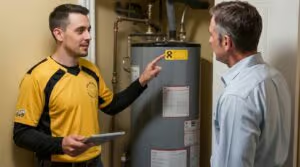
Call Solutions Heating and Cooling for Emergency Plumbing in Halifax County
When a plumbing emergency hits, you need a team that knows Halifax County homes — including well water systems, aging water heaters, and rural properties that other plumbers won’t service. Solutions Heating and Cooling has been serving Southside Virginia since 2015. Don’t wait until water is spreading across your floor, call (434) 404-4461.
Visit us: 5037 Halifax Road Suite 14, Halifax, VA 24558.
Your Plumbing Emergency Questions, Answered
Where do you find the shutoff valve on a well water system?
On a well water system, the main shutoff valve is typically located near the pressure tank rather than at the foundation like you’d find in a city-connected home. We see this setup across most rural properties in Halifax County and throughout Southside Virginia. Once you find it, turn the valve clockwise to close it.
Does Solutions Heating & Cooling come out to rural properties in Halifax County?
Yes — Solutions Heating and Cooling services rural addresses throughout Halifax County, including properties on well water systems and aging infrastructure that other plumbers won’t touch. We’ve been serving Southside Virginia since 2015 and know the unique plumbing challenges rural homeowners face. Call us any time at (434) 404-4461.
What are the warning signs that a water heater is going bad?
A water heater going bad usually gives you a few warnings first. We tell homeowners to watch for rusty or discolored hot water, rumbling or popping sounds from the tank, water pooling around the base, or inconsistent water temperatures. If your unit is over 10 years old and showing any of these signs, call a plumber soon.
Resources
- https://www.usgs.gov/mission-areas/water-resources/science/domestic-private-supply-wells
- https://www.epa.gov/watersense/fix-leak-week
- https://www.iii.org/fact-statistic/facts-statistics-homeowners-and-renters-insurance