

When the power goes out in rural Halifax, VA, you’re not just losing lights and TV. Your well pump stops working—meaning no water for drinking, bathing, or flushing toilets. Your heating system shuts down in winter. Your sump pump quits, risking crawlspace flooding. For families relying on well water and aging HVAC systems, extended power outages aren’t just inconvenient—they’re dangerous.
If you’ve lived through multi-day outages during ice storms, you already know the stakes. The question isn’t whether you need backup power—it’s which type makes sense for your home and budget.
Standby generators automatically kick on within seconds of an outage, powering your entire home including your well pump, HVAC system, and water heater. Portable generators cost less upfront but require manual setup during storms and can only power select circuits. Both have their place, but the right choice depends on your home’s electrical needs, your budget, and how often Southside Virginia loses power.
This guide breaks down the real costs, power requirements, and practical considerations for Halifax homeowners choosing between standby and portable generators—so you can protect your family and home systems when the grid goes down.
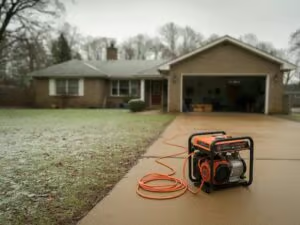
Can a portable generator be used as a standby generator?
Not really. While you can install an automatic transfer switch with electric-start portable generators, significant limitations remain:
Portable generators with ATS still require you to be home to start the unit (even with remote start capabilities), refuel every 8-12 hours, and handle engine maintenance. Most portables cannot auto-start when power fails or shut off automatically when power returns.
Standby generators detect outages and start automatically within 10-20 seconds—even when you’re away—and run indefinitely on natural gas or propane with zero intervention.
For Halifax homes with well pumps, standby generators ($5,500-$13,000 installed depending on size) provide true hands-free protection that portable units ($500-$2,000) cannot match.
Understanding Your Power Needs During Halifax Outages
Rural Southside Virginia experiences frequent power outages during ice storms, summer thunderstorms, and high winds. Unlike urban areas with redundant grid connections, Halifax homes on well water face a unique challenge: when the power goes out, you lose water completely.
What Rural Halifax Outages Mean for Your Home
Without electricity, your well pump can’t deliver water anywhere in your home. That means no running water for any purpose—drinking, cooking, washing, or flushing toilets. Your heating or cooling system goes offline, creating dangerous temperature extremes. The sump pump stops protecting your crawlspace from water intrusion.
For families with young children, elderly parents, or medical needs, losing these systems for days creates genuine safety concerns. Multi-day outages during winter ice storms are common in rural Southside Virginia, and the duration matters when choosing between generator types.
Portable Generators: Costs, Capabilities, and Limitations
Portable generators offer an affordable entry point for backup power, typically ranging from $500-$2,000 depending on wattage capacity. These units run on gasoline, require manual setup, and power select circuits through extension cords or a manual transfer switch.
What Portable Generators Can Power
A 7,000-watt portable generator can typically handle:
- Well pump (1,500 watts running, 3,000 watts starting)
- Refrigerator (700 watts)
- Several lights and outlets (500 watts)
- TV and internet router (300 watts)
However, you cannot power your entire HVAC system, water heater, and all appliances simultaneously. You’ll need to prioritize which circuits receive power and manually switch loads.
The Real Costs of Running a Portable Generator
Beyond the purchase price, consider ongoing expenses:
Gasoline consumption: 6-8 gallons per day ($25-35 daily during outages)
Fuel storage and stabilizer: $50-100 annually
Manual transfer switch installation: $400-800 by licensed electrician
Extension cord purchases for direct-connection appliances: $100-200
For a 3-day outage, you’ll spend $75-105 on fuel alone, plus the physical labor of refueling every 8-12 hours—including during nighttime hours in cold or stormy conditions.
Safety Concerns and Setup Requirements
Portable generators produce carbon monoxide and must be positioned at least 20 feet from your home with exhaust directed away from windows and doors. The Consumer Product Safety Commission reports nearly 100 deaths annually from portable generator carbon monoxide poisoning. [1]
You’ll need to manually start the generator, run extension cords or activate a transfer switch, and monitor fuel levels throughout the outage. During ice storms or at night, this setup becomes dangerous and difficult.
When Portable Generators Make Sense
Portable generators work well for:
- Homeowners on tight budgets needing basic backup power
- Infrequent outages lasting less than 12 hours
- Powering only critical circuits (well pump, refrigerator, lights)
- Homes where adults are always present to manage operation
- Temporary solutions while saving for standby installation
Portable generators solve immediate backup power needs affordably, but they come with significant limitations. For homeowners seeking automatic protection without manual intervention, standby generators offer a different approach.
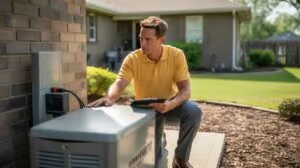
Standby Generators: Automatic Protection for Your Entire Home
Standby generators permanently install outside your home, connect directly to your electrical panel, and activate automatically within 10-20 seconds of detecting a power loss. They run on natural gas or propane, eliminating fuel storage and refueling concerns.
How Standby Generators Work
When the utility power fails, an automatic transfer switch detects the outage and signals your standby generator to start. Within seconds, the generator powers your home’s electrical panel, running your well pump, HVAC system, water heater, and appliances exactly as if grid power were available.
When utility power returns, the system automatically transfers back and shuts down the generator. You don’t lift a finger, flip a switch, or go outside in dangerous weather.
Whole-Home Power vs. Load Management
Standby generators range from 12kW to 26kW capacity:
12-14kW generators (adequate for most Halifax homes):
- Powers well pump, HVAC, water heater, refrigerator, lights, and outlets
- May require load management for simultaneous use of high-draw appliances
- Suitable for 1,500-2,000 sq ft homes
20-22kW generators (recommended for larger homes):
- Runs entire home including central AC, electric range, and all appliances
- No load management needed
- Ideal for 2,000-2,500 sq ft homes or homes with electric heat
24-26kW generators (whole-home solution):
- Powers everything simultaneously without restrictions
- Suitable for larger homes or properties with workshop/barn needs
Fuel Source: Natural Gas vs. Propane
Most Halifax homes don’t have natural gas service, making propane the practical choice. A 500-gallon propane tank provides approximately 5-7 days of continuous generator operation for a 14kW unit, or 3-4 days for a 22kW unit.
Propane advantages:
- Unlimited shelf life (unlike gasoline)
- Cleaner burning than gasoline
- Automatically feeds generator without refueling
- Can share propane supply with existing home systems
Many homeowners install a dedicated 250-500 gallon propane tank specifically for generator use, ensuring fuel availability during extended outages.
Installation Requirements and Costs
Professional installation by a licensed electrician and gas technician includes:
- Generator pad (concrete or gravel base)
- Automatic transfer switch installation at electrical panel
- Propane or natural gas line connection
- Electrical wiring and disconnect box
- Permits and inspections
Total installed costs for Halifax homes:
12-14kW system: $5,500-$7,500 20-22kW system: $7,500-$10,000 24-26kW system: $10,000-$13,000
These prices include equipment, installation labor, transfer switch, gas line work, and permits.
Ongoing Maintenance and Operating Costs
Standby generators require annual maintenance ($150-250) including oil changes, filter replacements, and system testing. They automatically exercise weekly (running 10-15 minutes to maintain readiness), consuming minimal fuel.
During actual outages, propane costs approximately $3-5 per hour of operation depending on load, significantly less than gasoline for portable units when calculated per kilowatt-hour delivered.
Both generator types have their place, but the right choice depends on your specific situation. Let’s compare them directly to help clarify which fits your needs and budget.

Side-by-Side Comparison: Which Generator Fits Your Situation
Cost Comparison Over 5 Years
Here’s an example comparison based on typical Halifax outage patterns:
Portable Generator (7,000W):
- Initial cost: $1,200
- Transfer switch installation: $600
- Annual fuel/maintenance: $150 (assuming 3 outages averaging 2 days each)
- 5-year total: $2,550
Standby Generator (14kW):
- Initial installed cost: $6,500
- Annual maintenance: $200
- Fuel costs during outages: $180 (same outage frequency)
- 5-year total: $8,400
The standby generator costs approximately $5,850 more over five years, but delivers automatic operation, whole-home power, and eliminates manual intervention during dangerous weather.
Convenience and Safety Factors
Portable generators require you to:
- Store gasoline safely with stabilizer
- Manually set up and start during outages
- Refuel every 8-12 hours (including nighttime)
- Monitor carbon monoxide risks
- Manage which circuits receive power
- Shut down and store after outages
Standby generators:
- Start automatically when power fails
- Run continuously without refueling
- Power entire home without circuit management
- Operate safely with professional installation
- Require no action during outages
For families with young children, elderly residents, or anyone who travels frequently, the automatic operation of standby generators provides genuine peace of mind.
Power Capacity Differences
A typical 7,000W portable generator running a well pump (3,000W starting surge) has only 4,000W remaining for other loads. You cannot run your HVAC system, water heater, and appliances simultaneously.
A 14kW standby generator delivers 14,000 watts continuously, enough to power:
- Well pump with starting surge
- HVAC system (heating or cooling)
- Water heater
- Refrigerator and freezer
- Lights throughout home
- Internet, TV, and small appliances
The power difference means standby generators maintain normal home operation, while portable generators require constant load management and compromise.
Special Considerations for Halifax Homes on Well Water
Well pumps create unique generator requirements that many homeowners underestimate. Submersible well pumps draw 1,500-2,000 watts during operation but require 2,500-3,500 watts for the starting surge when the pump motor engages.
Why Well Pumps Complicate Portable Generator Use
If your 7,000W portable generator powers your well pump, refrigerator, and several lights, the pump’s starting surge when it kicks on may overload the generator, causing it to shut down or fail to start the pump entirely.
This creates a frustrating situation: you have a generator running, but your well pump won’t start because the surge demand exceeds available wattage. You must shut off other loads before running water, then cannot use water and other appliances simultaneously.
Standby Generators and Well Pump Reliability
Properly sized standby generators handle well pump starting surges without issue. A 14kW unit provides enough overhead capacity to start the well pump while other systems continue running.
This matters during winter outages when your heating system runs continuously. With a standby generator, your well pump starts on demand while your furnace or heat pump operates—no manual intervention required.
Not sure what size generator your well pump requires? Our team evaluates your well system, pressure tank, and electrical requirements together. We’ll recommend a properly sized generator that handles your well pump’s starting surge plus your other critical systems. Contact us at (434) 404-4461 for your assessment

Making the Decision: Questions to Ask Yourself
How Often Does Your Area Lose Power?
When Halifax experiences several outages per year—especially during severe winters with ice storms—the days without power add up quickly. According to the U.S. Energy Information Administration, rural cooperative utility customers experience about twice as many outages as urban customers, with national averages around 1-2 outages annually. [2] Some years in Halifax see just a couple brief outages, while harsh weather years bring multiple multi-day events.
Families experiencing frequent extended outages typically find standby generators pay for themselves through avoided hotel stays, spoiled food replacement, and the value of maintaining normal home operation during crises.
What’s Your Household Situation?
Consider these factors:
- Young children needing consistent heat, water, and food refrigeration
- Elderly family members for whom temperature extremes pose health risks
- Home-based businesses requiring reliable internet and power
- Medical equipment or health conditions requiring climate control
- Pets or livestock dependent on water and temperature regulation
- Frequent travel (standby generators protect empty homes automatically)
Households with vulnerable members or critical needs benefit substantially from automatic standby power.
What’s Your Physical Capability and Availability?
Operating portable generators requires:
- Physical ability to move 100-200 pound generator
- Storing and transporting gasoline safely
- Setting up in darkness or severe weather
- Refueling every 8-12 hours including overnight
- Monitoring operation constantly
If you travel for work, have physical limitations, or simply don’t want the burden of generator management during stressful outage situations, standby generators eliminate these concerns entirely.
What’s Your Long-Term Plan for the Home?
If you plan to age in place over the next 10-20 years, investing in a standby generator makes increasing sense. As you age, the physical demands of portable generator operation become more difficult and dangerous.
For homeowners planning to sell in 7-10 years, standby generators deliver strong returns on investment. According to the 2025 Cost vs. Value Report, backup generators now return 95% of installation costs in increased home value—one of the highest ROI home improvements available. [3] In rural areas like Halifax with frequent multi-day outages, buyers increasingly view whole-home backup power as a must-have feature rather than a luxury upgrade.
Ready to protect your Halifax home with reliable backup power? Schedule your generator consultation with Solutions Heating and Cooling. Our licensed electricians will evaluate your home’s electrical panel, well system, and power needs to recommend the right generator solution—standby or portable—for your specific situation.
Call (434) 404-4461 to get started.
Financing and Installation Timeline
Financing Options for Standby Generators
Most Halifax homeowners finance standby generator installation rather than paying cash upfront. Typical financing options include:
- 12-60 month payment plans through generator manufacturers
- Home equity lines of credit (often lowest interest rates
- HVAC/home improvement financing programs
- Personal loans or credit cards for smaller systems
Monthly payments for a $6,500 standby generator installation typically range from $120-180 depending on term length and interest rates—often comparable to the monthly cost of maintaining a portable generator when fuel, maintenance, and replacement cycles are considered.
How Long Does Installation Take?
Professional standby generator installation typically takes 1-2 days:
Day 1: Electrical and gas work
- Install concrete pad or gravel base
- Run propane or natural gas line
- Install automatic transfer switch at electrical panel
- Pull permits and rough-in wiring
Day 2: Generator installation and testing
- Set and level generator on pad
- Complete electrical connections
- Connect fuel line
- Test automatic transfer operation
- Train homeowner on system operation
Some installations require utility coordination for meter work or inspections, which may extend the timeline by a few days.

Protect Your Halifax Home Before the Next Outage
Don’t wait until the next ice storm to decide. Generator installations take 1-2 days, but demand surges after major outages create month-long backlogs. Schedule your generator consultation today and protect your family before the next Halifax power outage.
Contact Solutions Heating and Cooling: Call (434) 404-4461
Serving Halifax, South Boston, Clover, Scottsburg, Virgilina, and surrounding Southside Virginia communities since 2015.
Next Steps:
- Schedule your home assessment
- Receive a detailed evaluation of your electrical panel, well system, and power needs
- Review transparent pricing for standby or portable generator solutions
- Choose installation timing that works for your schedule
- Enjoy automatic backup power protection during the next outage
Your Generator Questions Answered: Backup Power Guidance for Halifax Homeowners
Is it possible to convert a portable generator into an automatic backup system?
You can install an automatic transfer switch with electric-start portable generators, but significant limitations remain that prevent true automatic operation. Even with remote start capabilities, you must be home to start the unit, refuel every 8-12 hours, and handle ongoing maintenance. Most portable units cannot auto-start when power fails or shut off automatically when power returns, while standby generators detect outages and start automatically within 10-20 seconds—even when you’re away from home.
Which type of generator is the better choice for home backup power?
The better choice depends on your specific situation and priorities. Standby generators cost $5,500-$13,000 installed but provide automatic whole-home power without any manual intervention, making them ideal for families who travel, have vulnerable household members, or experience frequent extended outages. Portable generators cost $500-$2,000 and work well for homeowners on tight budgets who experience infrequent short outages and can manage manual setup and refueling during power failures.
What are the drawbacks of installing a whole-home generator?
The primary drawback is upfront cost—standby generators range from $5,500-$13,000 installed depending on size, compared to $500-$2,000 for portable units. Standby generators also require annual professional maintenance costing $150-250, permanent installation on a concrete or gravel pad, propane tank installation for most rural properties, and permits with inspections. However, over a 5-year period with typical outage frequency, the convenience and automatic operation often justify the higher initial investment.
Resources
- https://www.cpsc.gov/safety-education/safety-guides/carbon-monoxide/carbon-monoxide-fact-sheet
- https://www.census.gov/library/stories/2024/10/power-outages.html
- https://www.realtor.com/living/pro-tips/do-you-need-a-backup-generator/