
Halifax County’s summer heat does more than push up your energy bill — it puts real stress on your home’s plumbing. More lawn watering, more showers, more water running through your pipes than any other time of year. If you’re on a well, that extra demand hits your pump and pressure system the hardest. And underground, dry soil can shift and pull at your sewer line without you ever seeing it happen. Here’s what’s actually going on with your pipes, your well system, and your sewer line this time of year — and when it’s worth picking up the phone.
Why does summer heat affect plumbing?
Summer heat affects plumbing in three main ways:
- Higher water demand — More lawn watering, showers, and outdoor use strain pipes, and well systems can feel it most as pumps work harder to keep up.
- Irrigation and spigot strain — Hoses and sprinklers left running or shut off improperly can cause leaks or sudden pressure loss.
- Ground movement from drought — Dry, shifting soil can crack or misalign underground sewer lines.
Rising Water Demand Puts Extra Strain on Well Systems
Summer changes how your home uses water, and if you haven’t thought about it that way before, it’s worth a minute. Lawns need watering. Gardens need watering. Kids are home from school, running through the sprinkler and taking extra showers after a day outside. Maybe you’ve got guests staying for a long weekend. All of that adds up to more water moving through your pipes than any other season.
For homes on city water, that’s mostly a non-issue. But if you’re on a well, it’s a different story. More than 43 million people in the U.S. rely on private wells for their drinking water, and every one of those systems was built to keep up with normal, day-to-day use — not to run flat-out for weeks at a time. Your well pump and pressure tank fall into that same category. [1] When summer pushes demand past that baseline for weeks at a time, the system has to work harder just to keep water flowing at a normal pressure.
Signs Your Well Pump Is Struggling
Most well pump problems don’t show up overnight. They build slowly, and the signs are easy to miss if you’re not looking for them:
- Water pressure that fluctuates instead of staying steady
- Your pump cycling on and off more than it used to
- Air sputtering out of your faucets along with the water
- Water pressure that takes longer to recover after heavy use, like doing laundry or running the dishwasher
None of these mean your pump is about to fail tomorrow. But they’re worth paying attention to, especially if you’ve had the same well system for years and it’s never acted this way before.
The real fear here isn’t a slow pressure drop — it’s the well pump giving out completely, and suddenly you’re without water. Not for an hour. Potentially for days, while parts get ordered and a technician gets out to a rural property. That’s the scenario worth avoiding, and it starts with catching the smaller signs early rather than waiting for a full failure.
Outdoor Spigots, Hoses, and Irrigation Can Hide Leaks
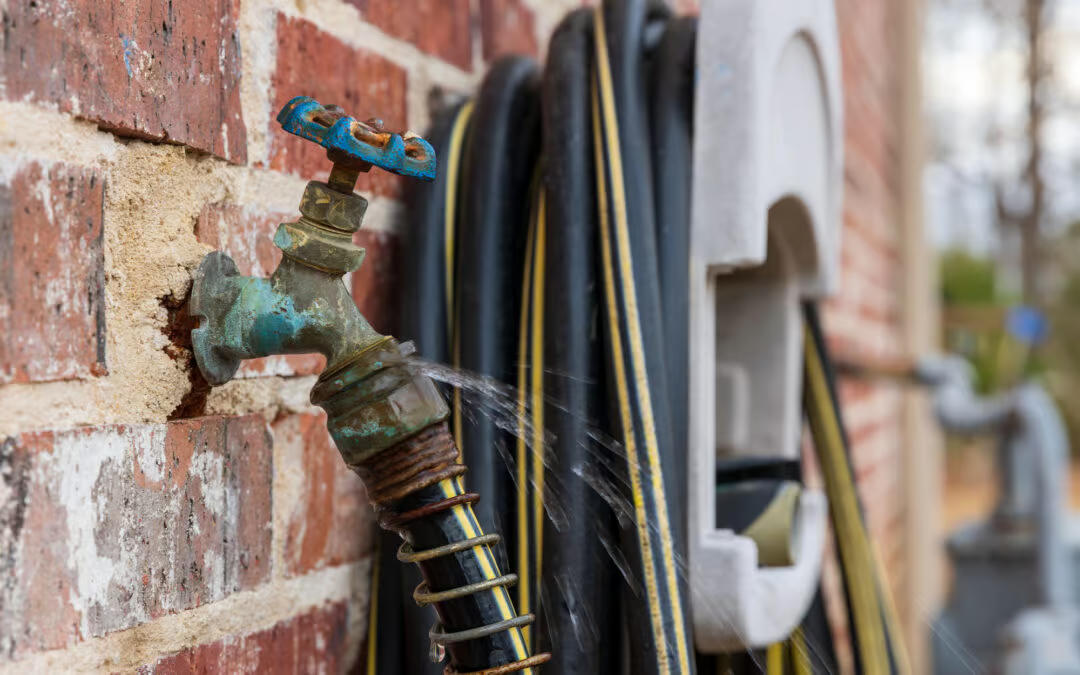
More outdoor water use in the summer also means more chances for a leak to slip by unnoticed. Hose bib connections loosen. Sprinkler valves wear out. Backflow preventers develop small drips. None of it looks dramatic at first — it’s just water quietly running somewhere you’re not watching, day after day.
Simple Checks Homeowners Can Do
You don’t need any special tools to catch most of this early. A few minutes here and there is usually enough:
- Check hose connections at the spigot for drips or dampness
- Watch your water bill for a spike you can’t explain by anything else
- Listen for running water when every faucet in the house is off
Outdoor leaks add up faster than most homeowners expect — the EPA’s WaterSense program notes that residential outdoor water use across the US accounts for nearly 8 billion gallons a day, most of it for landscape irrigation, which gives you a sense of how much is riding on a single loose hose connection. [2]
Here’s the part that connects back to your well: an outdoor leak that goes unnoticed for weeks doesn’t just waste water. It adds to the same demand that’s already straining your pump and pressure tank all summer long. A dripping hose bib and a struggling pump aren’t two separate problems — they’re pulling from the same well.
But pressure and leaks aren’t the only thing summer heat brings. What’s happening below the surface, in the ground your pipes run through, matters just as much.
Noticing pressure changes or a spike in your water bill this summer? Solutions Heating & Cooling can check it out — (434) 404-4461.
Drought Conditions Can Shift and Damage Sewer Lines
Dry weather doesn’t just affect what you see above ground. It changes what’s happening below it, too. Halifax County has seen stretches of dry, hot weather this summer, and that kind of extended heat is exactly what dries out soil at depth — not just the surface. When soil contracts like that for weeks at a time, it pulls away from whatever’s buried in it, including your sewer line. That shifting can create gaps and uneven pressure around older pipes, especially clay or cast iron lines common in older Southside Virginia homes. Once a pipe loses that steady support, it’s more prone to cracking or slipping out of alignment at the joints.
Warning Signs of Sewer Line Movement
This kind of damage doesn’t usually show up as one single problem. It tends to show up as a pattern:
- Slow drains in more than one part of the house, not just a single sink or tub
- Gurgling sounds coming from drains or toilets
- Soggy patches or unusually green grass in the yard, even without rain
- A sewer smell outdoors that wasn’t there before
Virginia’s clay-heavy soil is more likely to shift when dry and swell when wet again, according to Virginia Energy’s geology program — which is part of why homes on older lines tend to feel drought conditions more than newer construction does. [3] Whether your home runs on well, septic, or city water, the ground underneath it is dealing with the same dry, shifting stress every summer.

When It’s Time to Call a Plumber
Summer heat puts real demands on your home’s plumbing, and small warning signs now can prevent bigger problems later in the season. If you’re noticing pressure changes, slow drains, or anything unusual around your well system or sewer line, don’t wait for it to become an emergency. Solutions Heating & Cooling has been part of the Halifax County community for over a decade, and we’re ready to help with your plumbing needs this season — give us a call at (434) 404-4461 to schedule a checkup today.
Halifax Summer Plumbing FAQs: What to Watch For
How can you tell if your well pump is starting to fail?
A struggling well pump usually shows warning signs before it fails. Watch for water pressure that fluctuates, a pump that cycles on and off more often, sputtering air in your faucets, or pressure that’s slow to recover after heavy use like laundry.
What’s an easy way to spot outdoor water leaks on your own?
Outdoor leaks are easy to catch with a few simple habits. Check hose connections at the spigot for drips or dampness, watch your water bill for unexplained spikes, and listen for running water when every faucet in the house is off.
Which symptoms point to a shifting or damaged sewer line?
Sewer line movement tends to show up as a pattern. Look for slow drains in more than one part of the house, gurgling from drains or toilets, soggy or unusually green patches in the yard, or a new sewer smell outdoors. If you notice these, give us a call at (434) 404-4461.
Resources
- https://www.usgs.gov/mission-areas/water-resources/science/domestic-private-supply-wells#overview
- https://www.epa.gov/watersense/statistics-and-facts
- https://www.energy.virginia.gov/geology/ExpansiveSoils.shtml