

Well water is reliable, cost-effective, and completely independent from municipal systems. It’s also harder on your plumbing than most homeowners realize — and the warning signs are easy to miss until something fails.
What Halifax, VA homeowners on well water need to know about their plumbing starts here: minerals, pressure swings, sediment quietly building up in your water heater — none of it announces itself until something breaks.
The difference between a smooth-running home five years from now and a string of costly repairs often comes down to what you do today. Stay ahead of costly plumbing repairs by learning the most common well water risks Halifax County homeowners face, recognizing the warning signs early, and calling a professional before the damage spreads.
What are the most common well water plumbing problems?
The most common well water plumbing problems Halifax County homeowners face include:
- Well pump failure — loss of water pressure or no water flow
- Hard water buildup — mineral deposits damaging pipes, fixtures, and appliances
- Pressure tank issues — pump cycling too frequently or inconsistent water pressure
- Water heater deterioration — hard water accelerating sediment buildup and reducing lifespan
- Water quality concerns — bacteria, iron, or mineral contamination affecting health and plumbing
How Well Water Affects Your Plumbing Systems
Private well water in Halifax County is naturally high in minerals — calcium, magnesium, and iron chief among them. They aren’t harmful to drink in typical concentrations, but they are hard on the systems that move water through your home. According to the U.S. Geological Survey, homes on private wells in Virginia tend to see higher mineral concentrations than those on municipal systems. [1] Here are the systems that take the hardest hit.
Your Well Pump and Pressure Tank
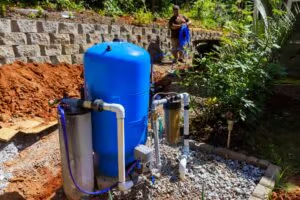
Your well pump and pressure tank work together to deliver consistent water flow throughout your home. Over time, sediment and mineral buildup strain the pump motor, while a failing pressure tank causes the pump to cycle on and off more frequently than it should. Left unchecked, that extra wear leads to premature pump failure — which means no running water until a replacement is in place.
Your Water Heater
Hard water hits water heaters harder than any other system — sediment settles at the bottom of the tank, forcing the unit to work harder and accelerating wear on the heating elements. The U.S. Department of Energy puts the average water heater lifespan at 8 to 12 years — but on untreated well water, that timeline can be shorter. [2] Signs of a water heater under stress include:
- Rumbling or popping noises during heating cycles
- Inconsistent water temperature
- Visible rust or discoloration at the tank connections
Your Fixtures and Appliances
Dishwashers, washing machines, and ice makers wear out faster on hard well water. Fixtures develop leaks sooner, valves corrode, and replacement cycles shorten. A water softener or treatment system doesn’t just improve water quality — it protects every water-connected appliance in your home.
Not sure where your well water system stands? Solutions Heating and Cooling offers honest assessments for Halifax County homeowners — call (434) 404-4461 today.
Warning Signs Halifax County Homeowners Should Never Ignore
Well water problems rarely appear without warning — the early signs are just easy to dismiss. Knowing what to watch for gives you the chance to act before a manageable repair becomes an emergency.
Changes in Water Pressure
Pressure changes are one of the most common indicators of a well pump or pressure tank issue. Watch for:
- Pressure that fluctuates throughout the day for no clear reason
- Longer recovery time after heavy water use — showers, laundry, running multiple fixtures
- Pressure that drops off entirely, even briefly

Discolored or Strange-Smelling Water
Your water should run clear and odor-free. Watch for:
- Rust-colored or brown water, which can indicate iron or pipe corrosion
- A rotten egg smell, often linked to sulfur bacteria in the well
- White or cloudy water, which may signal high mineral content or pressure issues
Any change in appearance or smell warrants a water quality test — the Virginia Department of Health recommends private well owners test at least once a year. [3]
Unusual Noises From Your Water Heater or Pump
Rumbling, banging, or clicking from your water heater or pump aren’t normal. These sounds typically point to sediment buildup, a struggling heating element, or a pressure tank that’s failing. Catching them early is often the difference between a repair and a full replacement.
Repair or Replace? How to Make the Right Call
Repair or replace? It’s one of the most common questions Halifax County homeowners face, and there’s no single answer. But there are reliable guidelines that help you decide without overspending — or underspending.
When to Repair
Repair is usually the right call when:
- The system is less than halfway through its expected lifespan
- The issue is isolated — a single component rather than widespread wear
- The cost of repair is less than 50% of the cost of replacement
- There’s no history of recurring problems with the same system
When Replacement Makes More Sense
Replacement becomes the smarter investment when a system is aging, has a history of issues, or when repair costs are climbing. Specific situations where replacement is worth considering:
- Your water heater is 10 years or older, especially on untreated well water
- Your well pump has required multiple repairs in a short period
- Repair costs are approaching or exceeding half the price of a new unit
- You’re planning to upgrade to a more efficient system, such as a tankless water heater
When in doubt, get an honest assessment from a plumber who knows well systems — not just city water. That’s exactly what Solutions Heating and Cooling delivers.

Ready to Get Your Well Water Plumbing Checked?
If your home runs on well water and you’ve been putting off an inspection, water quality test, or water heater replacement, now is the time to take action. Since 2015, Solutions Heating and Cooling owner Shad Dortch and his team have helped homeowners across Halifax County and Southside Virginia protect their plumbing systems with honest assessments, transparent pricing, and trusted well system expertise. Call (434) 404-4461 today to schedule your consultation.
Visit us: 5037 Halifax Road Suite 14, Halifax, VA 24558.
Halifax County Well Water: Your Plumbing Questions Answered
What causes low water pressure when multiple fixtures are running at the same time?
Low water pressure when running multiple fixtures at the same time usually points to a well pump or pressure tank issue. When the pressure tank starts failing, the pump cycles more than it should and struggles to keep up with demand. Longer recovery times after heavy water use — showers, laundry, multiple faucets — are a common early sign.
What are the signs it’s time to replace a well pump instead of repairing it?
Knowing when to replace a well pump instead of repairing comes down to a few factors. If your pump has needed multiple repairs recently, repair costs are approaching half the price of a new unit, or the wear is widespread rather than isolated, replacement is the smarter call. Call Solutions Heating and Cooling at (434) 404-4461 for an honest assessment.
Is a water softener worth it for Halifax County homes on private well water?
A water softener is worth it for most Halifax County homeowners on private well water. Well water here tends to run high in calcium, magnesium, and iron — minerals that wear out pipes, water heaters, and appliances faster than most people expect. A softener extends the life of those systems and improves water quality throughout the home.
Resources
- https://www.usgs.gov/water-science-school/science/hardness-water
- https://www.energy.gov/energysaver/tankless-or-demand-type-water-heaters
- https://www.vdh.virginia.gov/environmental-health/private-well-program/