

Your water looks clean — so why are your faucets crusted with mineral buildup, your skin dry no matter what lotion you use, and your water heater working harder than it should?
If you’re on well water in Halifax County or anywhere in Southside Virginia, hard water is probably the answer. And a point-of-use filter isn’t going to cut it. Whole house water softener installation treats your water at the source — before it ever reaches your pipes, your appliances, or your shower.
This guide covers how the process works, how a whole-home system differs from smaller units, and how to tell if your home is ready for one.
How Does a Whole House Water Softener Work?
A whole house water softener removes calcium and magnesium minerals from your water supply before they reach your pipes, fixtures, and appliances. Here’s how the process works:
- Hard water enters the softener tank from your main supply line
- Resin beads inside the tank attract and trap mineral ions
- Softened water flows through the rest of your home
- The system regenerates automatically, flushing trapped minerals down the drain
Result: Cleaner pipes, longer-lasting appliances, and better water quality throughout your home
How a Whole-Home System Differs From Point-of-Use Units
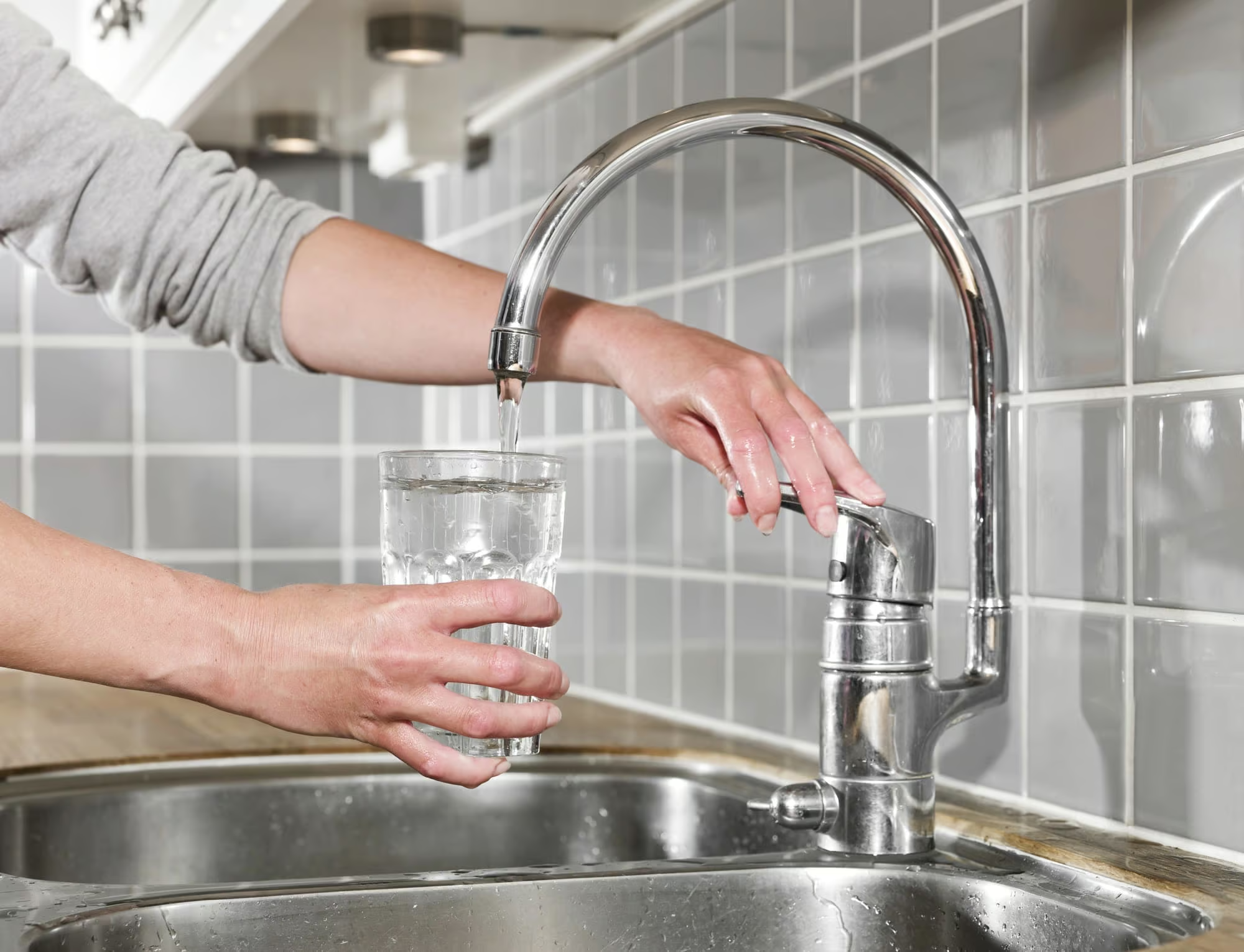
If you’ve ever bought an under-sink filter or a pitcher filter, you already know they work — for drinking water. But that’s all they do. They treat water at one tap and leave everything else in your home untouched.
Your pipes still get the mineral buildup. Your water heater still works against scale that coats the inside of the tank. Your washing machine, your dishwasher, your shower — all of it is still running hard water. [1]
A whole-home system is different because it connects at your main supply line. That means every fixture and appliance in the house gets treated water, not just the one faucet above the filter.
For well water homeowners, this distinction matters even more. Hard minerals enter your home at the source and travel through your entire plumbing system from there. A point-of-use unit doesn’t address that — it just catches a small fraction of what’s already circulating.
Point-of-use filters can cost less upfront, but if your home has significant hardness levels, they’re not solving the root problem. They’re just managing one symptom.
Which Option Makes Sense for Your Home?
Here’s a straightforward way to think about it: if your only concern is how your drinking water tastes, a point-of-use filter might be all you need.
But if you’re seeing buildup on fixtures, your appliances are wearing out faster than they should, your skin and hair feel different after a shower, or your water heater is making noise it didn’t used to make — that’s a whole-home problem. It needs a whole-home solution.
Not sure how hard your water actually is? Solutions Heating & Cooling offers water testing — call (434) 404-4461 or schedule an appointment online.
What to Expect During the Installation Process
Getting a whole house water softener installation done isn’t a major disruption to your home. For most homeowners, it’s a few hours of work and a brief window where the water is off. That’s it.
Here’s how the process typically goes:
- Water hardness test — Before anything gets installed, a licensed plumber confirms your hardness levels and uses that data to size the system correctly for your household
- System selection — The right unit is matched to your home based on household size and daily water usage
- Main water supply shutoff — Water is turned off briefly while the connection is made
- Softener connected to the main supply line — The unit goes in before your water heater, so every appliance downstream gets treated water from day one
- Bypass valve installation — This lets the system be taken offline for maintenance without cutting water to the whole house
- Drain line connection — Required for the regeneration cycle, which flushes trapped minerals out of the resin tank
- Regeneration schedule programmed — The system is set to run automatically, typically overnight when water demand is low
- Output tested — Water is checked after installation to confirm the system is working correctly
Solutions Heating & Cooling has licensed plumbers with hands-on experience in well water systems — not just city water plumbing. That matters when your whole house water supply is coming from the ground and mineral content can vary significantly from one property to the next.

What Happens After Installation?
The first few days after installation are pretty uneventful, which is exactly what you want.
- Salt levels need to be monitored and topped off periodically — your plumber will walk you through how often based on your system and usage
- Regeneration cycles run automatically, usually overnight, so you won’t notice them
- Residual minerals already in your pipes will clear out gradually over the first week or two
- Ongoing maintenance is minimal — the system largely runs itself once it’s set up correctly
Signs Your Home Is Ready for a Whole-House System
Some of these you’ve probably noticed for years and written off as just the way things are. They’re not. They’re hard water doing what hard water does — slowly working against everything in your home. [2]
Here’s what to look for:
- White or yellowish crust building up around faucets, showerheads, and drains
- Spots on dishes and glassware that don’t come clean no matter how many times you run them
- Skin that feels dry or itchy after showering
- Hair that feels dull or brittle, even with good products
- A water heater making popping or rumbling noises — that’s mineral scale building up inside the tank
- Appliances like your dishwasher or washing machine wearing out sooner than expected
- Soap and shampoo that won’t lather the way they should
If you’re on well water, there’s an added layer to this. Higher mineral content is common in well water throughout Halifax County and Southside Virginia, and a lot of homeowners go years without ever testing for it. The signs above are easy to blame on other things — hard water rarely announces itself clearly.
How to Know for Sure — Water Testing
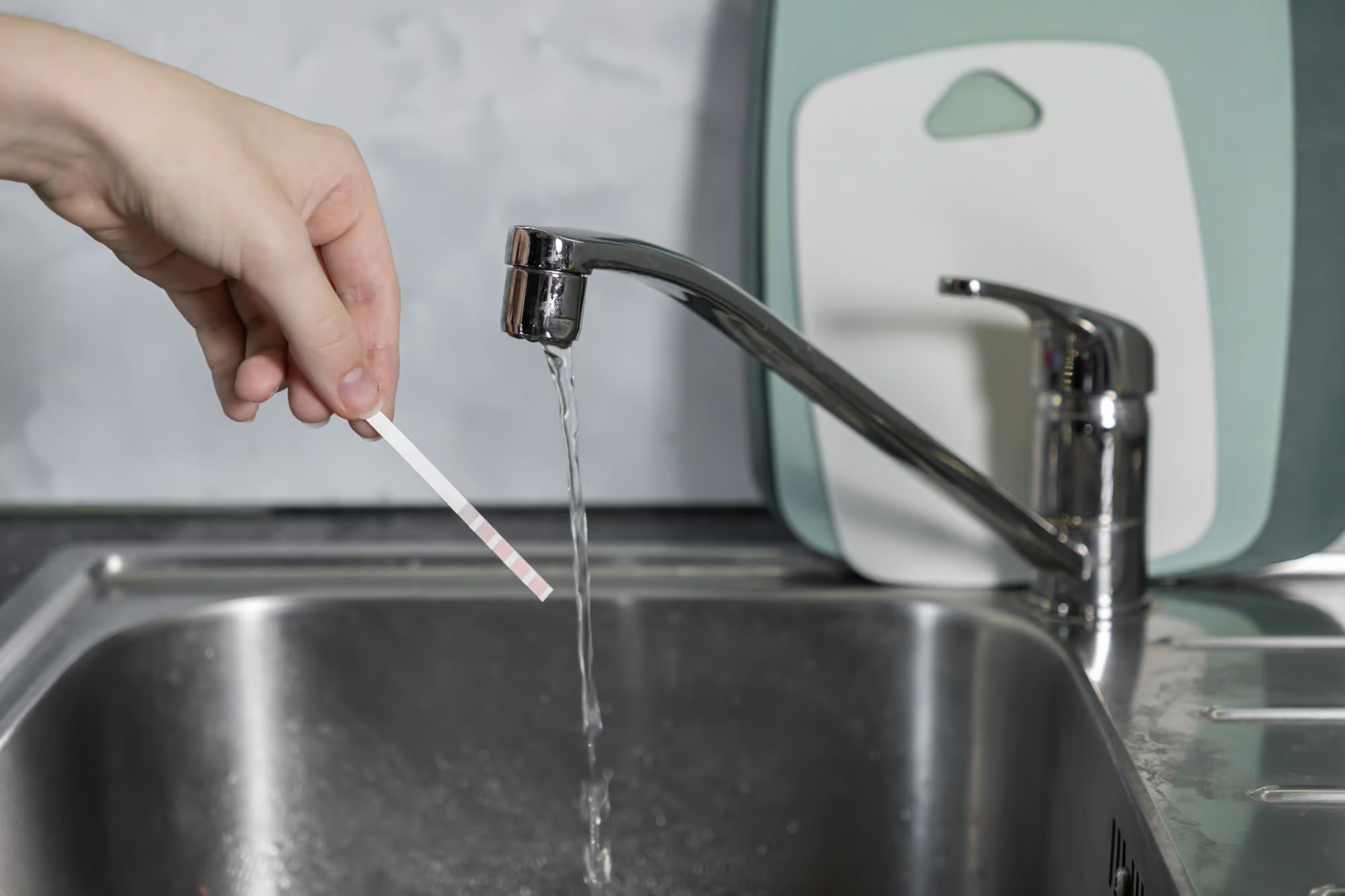
Visual signs are a strong indicator, but they can only tell you so much. A professional water hardness test confirms exactly what’s in your water and gives your plumber the data needed to size the system correctly for your home.
According to the U.S. Geological Survey, hard water affects a significant portion of homes across the country — and rural areas drawing from groundwater tend to see higher hardness levels than municipal water supplies. [3]
Solutions Heating & Cooling includes water testing as part of the assessment process. It’s the logical next step if you’ve recognized more than one or two signs on that list above — and it takes the guesswork out of the decision entirely.
Stop Letting Hard Water Win
Hard water doesn’t fix itself — and the longer it runs through your pipes, the more damage it quietly does. Solutions Heating & Cooling has served Southside Virginia homeowners for over a decade, with real expertise in well water systems and hard water treatment. Whether you’re ready to move forward or just want to know what’s actually in your water, the next step is simple.
Call (434) 404-4461 or schedule an appointment online.
Whole House Water Softener Installation: Your Questions Answered
What are the signs that my home needs a whole house water softener?
Signs that point to a whole house water softener include white or yellowish mineral crust around faucets and showerheads, spots on dishes and glassware that won’t come clean, skin that feels dry or itchy after showering, hair that feels dull or brittle, a water heater making popping or rumbling noises, appliances wearing out sooner than expected, and soap or shampoo that won’t lather properly. If these sound familiar, call (434) 404-4461 to schedule a water test.
Does a whole house water softener treat every tap and appliance, or just one?
A whole house water softener treats every fixture and appliance in your home — not just one tap. Because the system connects directly to your main supply line, softened water flows to your pipes, water heater, washing machine, dishwasher, and every shower before they ever see hard water. That’s the key difference from point-of-use filters, which only treat a single faucet.
Do water softener installers have experience with well water systems?
Our licensed plumbers have hands-on experience with well water systems — not just city water plumbing. That experience matters because well water mineral content can vary significantly from one property to the next, and sizing and installing a softener correctly depends on knowing what’s actually in your water.
Resources
- https://wqa.org/learn-about-water/perceptible-issues/scale-deposits/
- https://www.bobvila.com/interior/do-i-need-a-water-softener/
- https://www.usgs.gov/water-science-school/science/hardness-water