

Is the air moving through your Lynchburg home actually clean — or just circulated?
Most homeowners schedule a duct cleaning and figure the job’s done. And in a lot of cases, it is. But cleaning and sanitizing are two different services, and mixing them up can mean you’ve spent money on a service that didn’t actually address what was growing inside your duct system.
This article breaks down what air duct sanitizing does, when it makes sense to add it after a standard cleaning, and whether it’s safe if you’ve got kids or pets at home. By the end, you’ll know exactly what to ask before booking an air duct sanitizing service in Lynchburg.
Is Air Duct Sanitizing Worth It?
Air duct sanitizing is worth it in specific situations — but it isn’t a necessary add-on after every cleaning. It makes the most sense when:
- Mold or mildew has been identified inside the duct system
- The home has experienced water damage or flooding
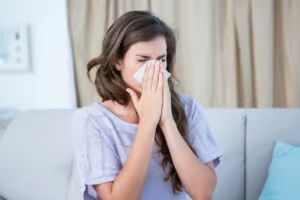
- Occupants have ongoing allergy or respiratory symptoms that cleaning alone didn’t resolve
- The system has sat unused for an extended period
- A musty or persistent odor returns after standard cleaning
In those cases, sanitizing addresses what cleaning physically cannot.
What Duct Sanitizing Does That Standard Cleaning Doesn’t
Most homeowners use “cleaning” and “sanitizing” interchangeably — but in the context of your duct system, they describe two completely different processes with two different outcomes.
What Standard Duct Cleaning Actually Does
A standard duct cleaning is a physical process. Technicians use high-powered vacuums, brushes, and agitation tools to remove the dust, debris, pet dander, and buildup that accumulates on duct walls and inside registers over time. [1]
It’s effective at what it’s designed to do — clearing visible contamination and removing airflow restrictions. But it doesn’t treat microbial growth. Think of it like scrubbing a surface versus disinfecting it. Both matter. They’re just not the same step.
What Sanitizing Adds to the Process
After the physical cleaning is complete, sanitizing applies a chemical treatment to the interior surfaces of your duct system. Where vacuuming removes loose particulate matter, the chemical treatment targets what’s left behind — mold spores, bacteria, and odor-causing microorganisms that a vacuum can’t reach.
One thing worth knowing: sanitizing should always follow a cleaning. It’s not a substitute for it. Applying a chemical treatment to ducts that haven’t been physically cleaned first is like spraying disinfectant on a dirty counter without wiping it down — you’re working around the problem, not solving it.
Why the Distinction Matters for Lynchburg Homes
Lynchburg’s humid summers create real conditions for moisture to enter duct systems — and moisture is what microbial growth needs to get started. Homes in older Lynchburg neighborhoods like Boonsboro and Peakland may have ductwork that’s never been treated for microbial contamination, even if it’s been cleaned.
If you’ve had a standard cleaning done but you’re still noticing odors or allergy symptoms, the cleaning may have done its job — and sanitizing is the step that fills the gap it left behind.
When Sanitizing Is Recommended After Cleaning
Knowing what sanitizing does is one thing — knowing whether your specific situation calls for it is where most homeowners get stuck.
Situations That Typically Warrant Sanitizing
Not every duct system needs this treatment. But there are situations where it’s the logical next step after a standard cleaning:
- Visible mold growth was identified during the cleaning inspection
- The home has had water intrusion, flooding, or a plumbing leak near the ductwork
- A musty odor keeps coming back within weeks of a standard cleaning
- The HVAC system sat unused for an extended period — a vacant home, a seasonal property, or a system that was shut down during a renovation
- Previous owners had pets, and dander and odor compounds have embedded in duct surfaces beyond what cleaning alone removes
- Occupants are experiencing allergy or respiratory symptoms that didn’t improve after the cleaning was done [2]
Situations Where Sanitizing Is Probably Not Necessary
This part matters just as much. A reputable company should tell you when you don’t need something, not just when you do.
If you’re scheduling routine maintenance cleaning on a well-maintained system with no moisture history, no odor complaints, and no health concerns, sanitizing likely isn’t the right call. Same goes for recently installed ductwork or a cleaning done purely for dust and debris removal with no red flags turning up during the inspection.
What a Technician Should Find Before Recommending It
A reputable company recommends sanitizing based on what the inspection actually shows — not as an automatic line item on every job. Your technician should be able to tell you specifically what they found that makes sanitizing the right call. And you should feel completely comfortable asking.
Not sure if your Lynchburg home needs this step? Call (434) 771-0977 and Solutions Heating & Cooling will tell you what the inspection shows before recommending anything additional.

Is Duct Sanitizing Safe for Pets and Children?
Once you’ve determined sanitizing is the right call, the concern most Lynchburg homeowners raise next is whether it’s safe for everyone in the household. It’s a fair question, and it deserves a straight answer.
What’s Actually Being Applied to Your Ductwork
The products used for air duct sanitizing are chemical treatments specifically formulated to target mold spores, bacteria, and odor-causing microorganisms inside your duct system. A reputable company should be able to tell you exactly what product they’re using and answer any questions you have about it before the job starts — including providing a safety data sheet if you want one.
Precautions Homeowners Should Take
Depending on the product used and how it’s applied, occupants — including pets — may need to vacate the home during treatment. [3] Your technician should tell you upfront whether that’s required for the specific product they’re using and walk you through what to expect before they start.
Once the treatment has dried and the home has been properly ventilated, the duct system is safe for normal household use. This is standard professional protocol — not a reason for alarm. Just something to plan for when you schedule.
Questions to Ask Your Technician Before Scheduling
Whether you’ve owned your home for years or just moved in, you want to feel informed before you commit — not sold to. These are the questions any reputable company should answer without hesitation:
- What product will be used?
- Is it cleared for homes with pets and young children?
- How long should we stay out of the home after treatment?
- Will you walk us through the ventilation process before you leave?
If a company can’t — or won’t — answer those questions clearly, that tells you something.

Ready to Find Out If Your Lynchburg Home Needs This Step?
If your Lynchburg home has had duct cleaning done but odors, allergy symptoms, or moisture history have you questioning whether it was enough, Solutions Heating & Cooling can take a look and give you a straight answer. No automatic add-ons — just an honest assessment of what your system actually needs.
Solutions Heating & Cooling has served Virginia homeowners for over a decade. The Lynchburg office at 403 Fifth St, Unit 105 is ready to help you figure out exactly what your duct system needs — and what it doesn’t. Call the Lynchburg office at (434) 771-0977.
What Lynchburg Homeowners Ask About Air Duct Sanitizing
How is air duct sanitizing different from a standard duct cleaning?
Standard duct cleaning is a physical process — technicians use vacuums, brushes, and agitation tools to remove dust, debris, and buildup from duct walls and registers. Sanitizing goes a step further by applying a chemical treatment to the interior duct surfaces after cleaning is complete, targeting mold spores, bacteria, and odor-causing microorganisms that a vacuum simply can’t reach.
Is it actually worth paying for air duct sanitizing service?
Air duct sanitizing is worth it when the situation genuinely calls for it. We recommend it when mold or mildew has been identified, when the home has experienced water damage, when a musty odor returns after cleaning, or when allergy and respiratory symptoms don’t improve after a standard cleaning. For routine maintenance with no red flags, it likely isn’t necessary.
Does air duct sanitizing actually make a difference for home air quality?
It makes a real difference in the right circumstances. Sanitizing targets what a standard cleaning leaves behind — mold spores, bacteria, and odor-causing microorganisms that physical vacuuming can’t address. In Lynchburg’s humid summers, moisture can enter duct systems and create conditions for microbial growth. If odors or allergy symptoms persisted after cleaning, sanitizing is often the step that resolves what cleaning alone couldn’t.
Resources
- https://nadca.com/homeowners/proper-cleaning-methods
- https://www.mayoclinic.org/diseases-conditions/mold-allergy/symptoms-causes/syc-20351519
- https://www.lung.org/clean-air/indoor-air/indoor-air-pollutants/mold