
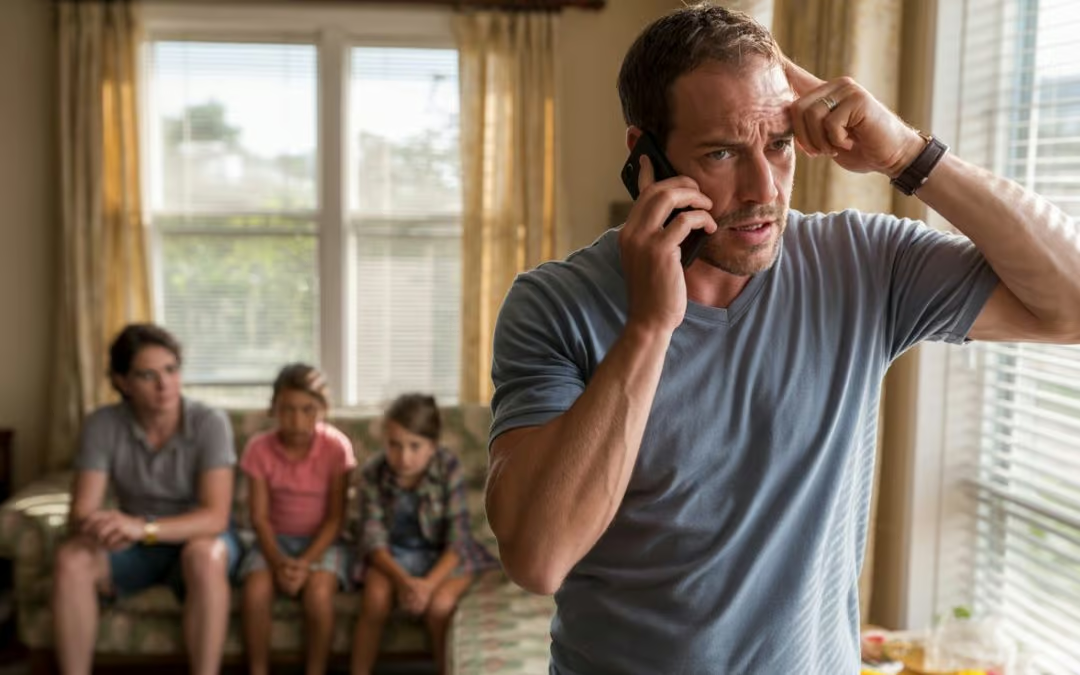
It’s 2 AM on a sweltering August night in Lynchburg, and your air conditioning just stopped working. The temperature inside your home is climbing rapidly, and you’re wondering: “Is this really an air conditioning emergency, or can it wait until morning?” When you’re facing an AC breakdown in Virginia’s intense summer heat, knowing when to call for immediate help can mean the difference between a minor inconvenience and a costly disaster.
Not every air conditioning problem qualifies as a true emergency, but some situations demand immediate professional attention to protect your family’s safety, prevent property damage, and avoid more expensive repairs. Understanding the difference can save you hundreds of dollars and help you make confident decisions during stressful situations.
In this comprehensive guide, we’ll walk you through the clear warning signs that indicate an air conditioning emergency Lynchburg homeowners face, when you can safely wait for regular business hours, and how to protect your home and family while waiting for professional help. You’ll also discover preventive measures that can help you avoid emergency situations altogether and know exactly when to contact Solutions Heating & Cooling for immediate assistance.
What Are Signs of an AC Emergency?
An air conditioning emergency requires immediate professional attention and typically involves safety risks or potential property damage. Here are the key signs that indicate an AC emergency:
- Electrical issues – Burning smells, sparks, or frequent circuit breaker trips
- Complete system failure during extreme heat – No cooling when outdoor temperatures exceed 85°F
- Water leaks or flooding – Significant water damage around your HVAC system
- Strange loud noises – Grinding, banging, or screeching sounds from the unit
- Gas odors – Any natural gas smell near your HVAC system
- Ice formation in summer – Frozen coils or ice buildup on your AC unit
- Smoke or visible damage – Any signs of fire, melting, or severe physical damage
If you experience any of these warning signs in your Lynchburg home, contact a professional HVAC technician immediately rather than waiting for regular business hours.
True Air Conditioning Emergencies vs. Non-Emergency Issues
Here’s the thing – not every AC problem that happens after hours is a true HVAC emergency. But when you’re sweating through a Virginia summer night, it can feel like every minute counts. Let’s break down when you really need to make that emergency call and when you can tough it out until morning.
When Every Hour Counts: Life-Threatening AC Problems
Some AC failures put your family’s health and safety at immediate risk. If anyone in your household falls into a vulnerable category – elderly family members, infants under one year old, or people with medical conditions like heart disease, respiratory issues, or diabetes – then AC failure becomes much more serious when outdoor temperatures hit 85°F or higher.
Heat-related illnesses can develop quickly in these situations. What starts as discomfort can escalate to heat exhaustion or even heat stroke within hours. If your AC stops working and the indoor temperature is climbing past 80°F with vulnerable family members present, that’s definitely an air conditioning emergency Lynchburg residents shouldn’t ignore.
Property Damage Risks That Can’t Wait
Water damage from AC malfunctions is one of those problems that gets exponentially worse the longer you wait. If you’re seeing water pooling around your indoor unit, dripping from ceilings, or flooding near your HVAC system, you’re looking at potential damage to flooring, walls, and even structural elements.
Water damage repair typically costs 3-4 times more than the emergency HVAC repair that would’ve stopped it. A typical emergency AC repair might run $300-800, but water damage restoration can easily hit $3,000-15,000 depending on how far the water spreads.
Non-Emergency AC Issues That Can Wait Until Morning
Now, let’s talk about the AC problems that, while frustrating, aren’t true emergencies. If your system is still running but not cooling as well as usual, that’s typically not an emergency situation. Maybe it’s running constantly but keeping your home at 78°F instead of your preferred 72°F – uncomfortable, but not dangerous.
Other non-emergency issues include:
- AC making new sounds but still cooling
- Higher than normal humidity but temperature is manageable
- Thermostat display issues when the system still responds
- Outdoor unit running but indoor fan not working (if outdoor temps are below 80°F)
The key question to ask yourself: “Is anyone’s health at risk, or is property damage actively occurring?” If the answer is no, you can probably wait for regular business hours and save yourself the emergency service call fees.
Electrical Dangers: When Your AC Becomes a Safety Hazard
This is where things get serious – electrical problems with your AC system can go from minor inconvenience to house fire danger faster than you’d think. According to the National Fire Protection Association, electrical failures in HVAC equipment cause thousands of house fires every year, and many could’ve been prevented with immediate professional attention. [1]
Burning Smells and Electrical Odors
If you smell something burning coming from your AC system, don’t mess around trying to figure out what’s causing it. Different burning smells indicate different problems:
- Sweet, chemical smell: Usually refrigerant leaks
- Acrid, plastic burning smell: Wire insulation or electrical components overheating
- Hot metal odor: Motor bearings failing or electrical connections getting too hot
The second you notice any burning smell from your HVAC system, turn off the power at your breaker box and call for emergency service. Don’t try to investigate the source yourself.
Circuit Breaker Problems and Power Issues
Your AC unit tripping the circuit breaker once might just be a fluke, especially during startup on really hot days. But if your system keeps tripping breakers repeatedly, that’s a sign of serious electrical problems that need immediate attention.
Some AC electrical problems that cause breaker trips:
- Compressor motor drawing too many amps
- Damaged wiring creating short circuits
- Capacitors failing and causing power surges
- Dirty condenser coils forcing the system to work harder
If your AC trips the breaker more than twice in one day, don’t keep resetting it. Your electrical system is trying to protect itself from overcurrent situations that could cause fires.
Sparks, Smoke, or Visible Electrical Damage
If you see sparks, smoke, or any visible electrical damage around your AC system, shut off power immediately and call for emergency service. Don’t wait, don’t investigate, don’t try to fix it yourself.
Visible signs that require immediate action include sparks from electrical connections, smoke from any HVAC component, scorch marks around electrical connections, melted or damaged wiring, and electrical panels that feel hot to the touch.
Lynchburg’s Extreme Weather: Why Location Matters for AC Emergencies
Living in Lynchburg means dealing with intense weather patterns that put extra stress on your HVAC system. Central Virginia’s climate isn’t just hot – it’s the combination of heat, humidity, and sudden weather changes that makes AC failures here particularly problematic.
Virginia Summer Heat Waves and AC Strain
Lynchburg summers regularly see temperatures climbing into the mid-90s with heat index values reaching 105°F or higher. During July and August, it’s not uncommon for us to have stretches where the temperature doesn’t drop below 75°F even at night. [2] That means your AC system is working around the clock with very little break time to recover.
During the summer of 2023, emergency rooms in the region reported a 40% increase in heat-related illness visits during a five-day stretch when temperatures stayed above 95°F. Most of these cases involved homes where the AC had failed and families tried to tough it out rather than calling for emergency Virginia AC repair.
When outdoor temperatures hit 90°F or higher and your AC stops working completely, indoor temperatures can climb to dangerous levels within just 2-3 hours. That’s not enough time to wait for regular business hours.
Humidity Issues Specific to Central Virginia
It’s not just the heat that makes Lynchburg summers brutal – it’s the humidity. Central Virginia sits in a geographic location where we get moisture from both the Atlantic Ocean and the Chesapeake Bay. Summer humidity levels here regularly hit 70-80%, making it feel much hotter than the actual temperature.
High humidity puts extra strain on your AC system because it has to work harder to remove moisture from the air, not just cool it down. If your AC stops removing moisture effectively, indoor humidity can climb above 60% pretty quickly. At those levels, you’re looking at potential mold growth within 24-48 hours, especially in areas like basements, crawl spaces, and bathrooms.
The combination of heat and humidity also makes it much harder for your body to cool itself through sweating. When humidity levels exceed 80% (which happens regularly in Lynchburg summers), even temperatures in the low 80s can become dangerous for vulnerable individuals.
Winter AC Problems in the Lynchburg Area
Lynchburg’s unpredictable winter weather creates its own set of problems. We’ll have stretches of cold weather followed by sudden warm spells where temperatures jump 30-40 degrees in a day or two.
These temperature swings can cause ice damage to outdoor units, refrigerant line problems from expansion and contraction, and electrical issues from condensation. If you’ve got a heat pump system (which many Lynchburg homes do), a winter failure can leave you without heat during cold snaps.
Prevention Tips to Avoid AC Emergencies
While emergencies can’t always be prevented, regular maintenance can significantly reduce your chances of facing serious AC problems during the worst possible times.
Essential preventive maintenance includes:
- Changing air filters every 1-3 months during peak seasons
- Keeping outdoor units clear of debris, leaves, and vegetation
- Having professional tune-ups twice yearly (spring and fall)
- Checking and cleaning condensate drains monthly
- Inspecting electrical connections and wiring annually
Warning signs to watch for that indicate potential future emergencies:
- Gradually increasing electric bills without changes in usage
- AC cycling on and off more frequently than normal
- Unusual odors that come and go
- Inconsistent cooling between rooms
- Strange sounds that happen occasionally but aren’t constant yet
By addressing these early warning signs during regular business hours, you can often prevent them from becoming true emergencies that require after-hours service calls. Regular maintenance also helps your system handle extreme weather conditions more reliably.
System Failures That Escalate Quickly
Some AC problems start small but turn into major disasters if you don’t address them quickly. Understanding these escalating failures can help you recognize when you’re dealing with a true emergency HVAC repair situation.
Refrigerant Leaks and Environmental Hazards
Refrigerant leaks might not seem like emergencies at first, but they get worse over time and can create both environmental and health hazards. [3] If you notice that sweet, chemical smell around your AC system, especially if it’s strong enough to smell indoors, you could be dealing with a significant refrigerant leak.
Signs of serious refrigerant leaks include strong chemical odor, ice buildup on refrigerant lines during hot weather, AC running constantly but not cooling effectively, and higher than normal electric bills with poor cooling performance.
Large refrigerant leaks require immediate attention because they can affect indoor air quality, and running your system with low refrigerant can damage the compressor, turning a $300 leak repair into a $2,500 compressor replacement.
Complete Compressor Failure Signs
The compressor is basically the heart of your AC system, and when it starts failing, things can go downhill fast. Early signs include AC system making grinding, screeching, or banging noises, system starting up but shutting down after just a few minutes, outdoor unit vibrating excessively, and circuit breakers tripping repeatedly.
Here’s why compressor problems become emergencies: a failing compressor can cause electrical problems, refrigerant leaks, and even damage other system components. We’ve seen cases where homeowners ignored grinding noises for a few days, and what could’ve been a $800 repair turned into complete system replacement costing $6,000+.
Water Damage from AC Malfunctions
This is probably the most underestimated AC emergency. AC systems move a lot of water – your indoor unit can produce 5-20 gallons of condensate per day during hot, humid weather. When something goes wrong with the drainage system, that water has to go somewhere.
Common causes include clogged condensate drains, frozen coils melting and overflowing, disconnected drain lines, and cracked drain pans. The scary part about AC water damage is that it often starts in hidden areas like attics, basements, or crawl spaces where you might not notice it right away.
Insurance companies report that HVAC-related water damage claims average $6,000-12,000, with some cases reaching $30,000+ when structural damage is involved. If you notice any water around your indoor AC unit, wet spots on walls or ceilings near HVAC equipment, or musty odors that could indicate hidden water damage, that needs immediate attention.
What to Do While Waiting for Emergency AC Service in Lynchburg
Once you’ve determined you’re dealing with a true air conditioning emergency and made the call for professional help, there are specific steps you can take to keep your family safe and prevent additional damage.
Immediate Safety Steps for AC Emergencies
The first thing you need to do depends on what type of emergency you’re facing. Safety always comes first.
For Electrical Problems (burning smells, sparks, smoke):
- Turn off power to your AC system at the breaker box immediately
- Do not touch any electrical components
- If you smell gas or see visible flames, evacuate the house and call 911
- Keep family members away from the AC units
- Document visible damage with photos for insurance
For Water Leaks and Flooding:
- Turn off power to the AC system to prevent electrical hazards
- Move furniture and electronics away from the leak area
- Place buckets to catch dripping water
- Use towels to soak up standing water
- Take photos of damage for insurance documentation
For Complete System Failure During Extreme Heat:
- Check your circuit breakers first – sometimes it’s a simple tripped breaker
- If breakers are fine, turn off the system and don’t keep trying to restart it
- Focus on cooling strategies for vulnerable family members first
- Close blinds and curtains to block sunlight and heat
- Stay hydrated and watch for signs of heat exhaustion
Temporary Cooling Solutions for Lynchburg Families
When your AC goes out during Virginia summer heat, you need backup cooling strategies that actually work. Set up fans to create cross-ventilation, use damp towels on necks and wrists to cool pulse points, take cool showers or baths, and move activities to the coolest part of your house.
If your home becomes unsafe due to extreme heat, Lynchburg has public cooling centers available during heat emergencies. The Lynchburg Community Action Group operates cooling centers at locations including E.C. Glass High School, Miller Center for Recreation and Fitness, and local libraries with extended hours during heat emergencies.
How to Prevent Further Damage Before Help Arrives
Taking the right steps while waiting for professional help can save you hundreds or thousands in additional damage. Keep mopping up water but don’t try to fix major leaks yourself. Run dehumidifiers if you have them to prevent mold growth. Document everything with photos for insurance claims.
Don’t keep trying to restart a system that’s shutting down, don’t remove electrical panels or touch wiring, and don’t try to add refrigerant or stop leaks yourself. If electrical problems get worse, water damage spreads, or anyone experiences heat-related health symptoms, don’t wait – call 911 if needed.
When to Call Solutions Heating & Cooling for Emergency Service
Now that you understand the difference between true emergencies and problems that can wait, you can make confident decisions about when to call for immediate help. An air conditioning emergency Lynchburg homeowners shouldn’t ignore includes any situation involving electrical dangers, water damage, complete system failure during extreme heat, or health risks to vulnerable family members.
Don’t let a minor AC problem turn into a major disaster. If you’re experiencing any of the emergency signs we’ve covered – burning smells, electrical issues, significant water leaks, or complete system failure when temperatures exceed 85°F – contact Solutions Heating & Cooling immediately.
For HVAC emergencies in Lynchburg, call (434) 771-0977 now!
Solutions Heating & Cooling
403 Fifth St, Unit 105
Lynchburg, VA 24504
Emergency Line: (434) 771-0977
Available 24/7 for true HVAC emergencies
When you’re facing an AC emergency, don’t wait – call the local HVAC experts who understand Central Virginia’s unique climate challenges and are equipped to handle any emergency situation quickly and professionally.
Emergency Air Conditioning FAQ for Lynchburg Homeowners
When does a broken air conditioner become urgent?
A broken AC becomes urgent when it creates safety risks or property damage potential. If anyone in your household is vulnerable – elderly, infants under one, or people with heart disease, respiratory issues, or diabetes – then AC failure becomes serious when outdoor temperatures hit 85°F or higher. Heat-related illnesses can develop within hours in these situations. It’s also urgent if you’re seeing active water damage, which can cost 3-4 times more to fix than the original HVAC problem.
What are some ways to stay cool during air conditioning breakdowns?
While waiting for emergency service, I recommend setting up fans to create cross-ventilation and using damp towels on your neck and wrists to cool pulse points. Take cool showers or baths if possible, and move your family to the coolest part of your house. Close all blinds and curtains to block sunlight and heat. Most importantly, stay hydrated and watch for signs of heat exhaustion. If your home becomes unsafe due to extreme heat, Lynchburg has public cooling centers available during heat emergencies.
What heat levels require immediate cooling system attention?
When outdoor temperatures exceed 85°F and your AC stops working completely, indoor temperatures can climb to dangerous levels within just 2-3 hours. During heat waves when temperatures stay above 95°F, I’ve seen emergency rooms report 40% increases in heat-related illness visits. The combination of heat and humidity we get here in Central Virginia makes it even more dangerous – when humidity levels exceed 80%, even temperatures in the low 80s can become dangerous for vulnerable individuals.
Resources
- https://www.nfpa.org/education-and-research/research/nfpa-research/fire-statistical-reports/home-fires-caused-by-electrical-failure-or-malfunction
- https://www.epa.gov/section608/managing-refrigerant-stationary-refrigeration-and-air-conditioning-equipment
- https://www.epa.gov/section608/managing-refrigerant-stationary-refrigeration-and-air-conditioning-equipment