

Water’s backing up in the sink again, and that $15 drain snake from the hardware store is sitting in the cabinet from last time. Grabbing it yourself makes sense for a simple clog. But not every drain problem stops at the surface. Some clogs point to something bigger happening in the pipes underneath, especially in older Southside Virginia homes on well water.
So how do you know which kind you’re dealing with? Here’s how to tell when a DIY snake gets the job done, and when pushing further turns a small clog into an expensive repair.
Do you need a plumber to snake a drain?
Not always. Call a plumber if:
- The clog keeps coming back after you’ve tried to clear it yourself
- More than one drain is backing up at the same time
- Water drains slowly throughout the whole house, not just one fixture
- The clog sits near or past the main line
For a single slow sink or shower, a basic drain snake often clears it on its own.
When a DIY Drain Snake Works Just Fine
A simple hardware-store snake isn’t a bad tool. It just has a narrow job. It works best when you’re dealing with one slow drain, not a house-wide problem, and the clog sits close to the opening instead of buried deep in the line.
Before you grab it again, run through this checklist:
- It’s just one sink or one shower acting up, not multiple fixtures
- The clog is near the drain opening, not deep in the pipe
- This fixture hasn’t clogged repeatedly in the past
If all three are true, snake away. You’re probably dealing with hair, soap buildup, or grease, and a basic tool can clear that in a few minutes.
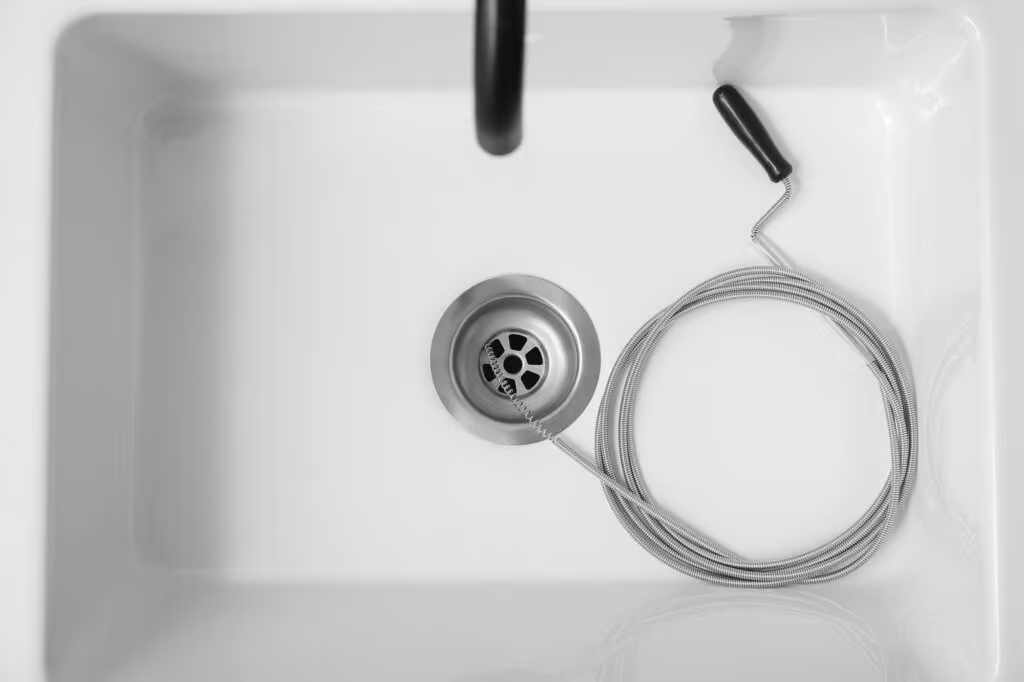
What a Basic Drain Snake Can (and Can’t) Reach
These store-bought snakes are built for minor clogs, not structural problems. They’re designed to break through soft blockages sitting a few feet into the pipe. What they’re not built for is anything past that point, tree roots, or a pipe that’s already compromised. Push a small snake too far or too hard trying to force a stubborn clog, and you’re not fixing the problem anymore. You’re risking the pipe itself.
A few warning signs separate a simple clog from a bigger problem.
Have a Question About Your Home?
Talk to a real person on our Halifax team. We'll give you a straight answer and an upfront price.
Signs You’re Dealing With More Than a Simple Clog
Multiple Drains Backing Up at Once
If your kitchen sink, bathroom sink, and shower all start draining slowly around the same time, that’s not a coincidence. A single clogged fixture is its own problem. Several fixtures backing up together points to something happening in a shared line, further down than any hardware-store snake can reach. [1] If your home is on a septic system, it’s also worth checking when the tank was last pumped — a full tank or a saturated drainfield can cause the exact same symptom, and no amount of snaking will fix that.
Slow Drainage Throughout the House
One slow drain is usually a fixture-level clog. Every drain running slow at the same time is a different story. That pattern often signals a problem with the main line rather than anything isolated to a single sink or tub.

The Clog Keeps Coming Back
This is the pattern that trips people up the most. You snake it, it clears, and a few weeks later you’re right back where you started. A clog that keeps returning to the same spot usually means there’s a partial blockage or a pipe issue that a snake isn’t actually clearing, just pushing out of the way temporarily.
If more than one of these signs sounds familiar, we’re happy to take a look. Give Solutions Heating & Cooling a call at (434) 404-4461.
Here’s a quick recap:
- More than one drain backing up at once
- Slow drainage across the whole house
- The same clog coming back again and again
Older homes add another layer worth understanding before grabbing that snake a second time.
Why Snaking It Yourself Can Backfire in Older Homes
A lot of homes across Halifax and Southside Virginia were built well before plastic PVC piping became the standard. Homes built before the 1970s sometimes still have old cast iron or Orangeburg pipe, a wood-and-tar material that was common before PVC took over. [2] Older pipe materials weren’t made with today’s consumer tools in mind, and that mismatch is where trouble starts.
A basic snake pushed too hard against an aging pipe doesn’t just fail to clear the clog. It can crack or puncture the pipe itself, and now you’ve turned a slow drain into a leak somewhere you can’t see, often behind a wall or under a slab. What looked like a quick fix in the sink turns into a bigger repair than the original clog ever was.
How to Tell If Your Pipes Are More Fragile Than Average
Home age is a decent starting point, but it’s not a guarantee. A house built in the 1960s or 70s could have already had its plumbing updated, or it could still be running on the original pipe. If you’re not sure what’s under your floors, that’s worth a professional opinion before you try snaking the same drain a second or third time.
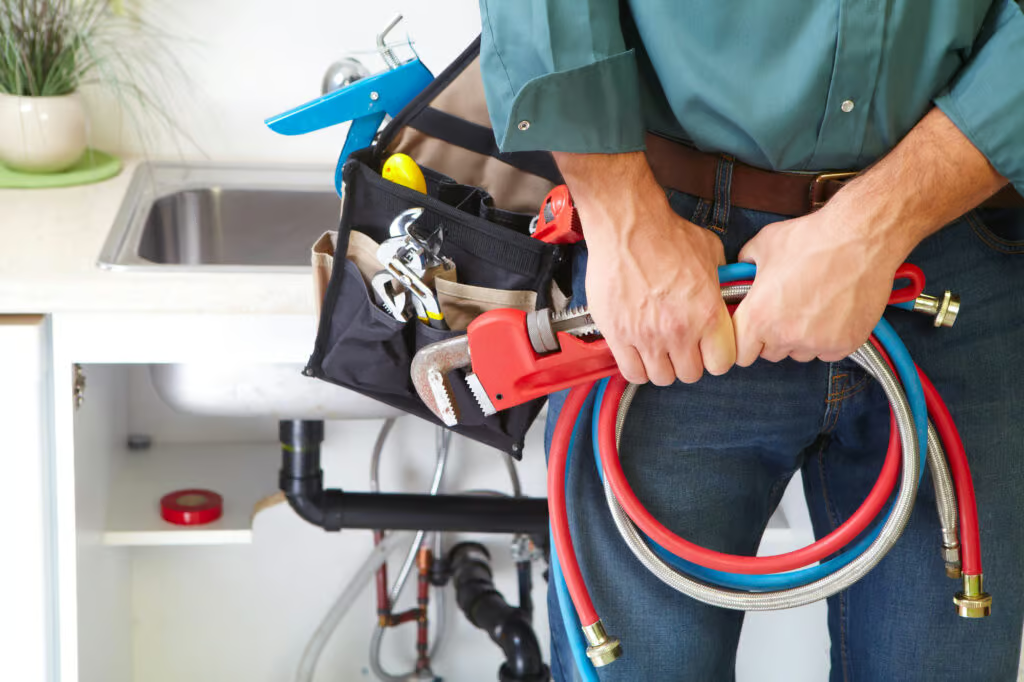
What a Plumber Checks That You Can’t
Once a plumber gets involved, the guesswork ends. A camera inspection shows exactly where the blockage sits and, just as important, what it actually is. [3] Debris, tree roots, and a structural pipe issue all look different on camera, and each one calls for a different fix.
That equipment also handles clogs a basic snake never could. It’s built to break through deeper or tougher blockages without putting the pipe itself at risk, which matters even more in the older homes across Halifax and the surrounding area.
Here’s what a camera inspection actually reveals:
- The exact location of the clog, down to the foot
- Whether it’s debris, grease, roots, or a cracked or collapsed section of pipe
- Whether the problem is isolated or part of a bigger issue in the line
When a Camera Inspection Is Worth the Cost
If a clog keeps coming back, or if more than one drain is acting up at once, guessing isn’t saving you money anymore. It’s just delaying the real answer. A camera inspection tells you what’s actually going on before you spend more time or money on a fix that won’t hold.
When a Second Opinion Is Worth the Call
DIY has its place, and for a single slow drain, it’s usually all you need. But repeat clogs, multiple drains acting up together, or slow drainage throughout the house are worth a second opinion. Solutions Heating & Cooling knows Halifax and Southside Virginia homes inside and out, well water systems included, and we’re familiar with the older pipe materials common in this area. If you’re not sure whether that clog needs a snake or a second set of eyes, give us a call at (434) 404-4461. We’ll help you figure out what’s actually going on before a small problem turns into a big one.

Snaking a Drain Yourself: Your Questions Answered
Do I need a plumber to snake a drain, or can I do it myself?
Whether you need a plumber or can snake a drain yourself comes down to the clog itself. A single slow sink or shower usually clears with a basic snake. But if multiple drains back up together, water drains slowly through the whole house, or the clog keeps returning, give us a call at (434) 404-4461.
What are the warning signs of a bigger clog problem?
Bigger clog problems usually show up as a pattern rather than a one-time slowdown. Watch for multiple drains backing up at once, slow drainage throughout the entire house, or a clog that clears temporarily and then returns to the same spot. Any of these points to something past a simple fixture-level blockage.
Why are older homes more at risk from DIY snaking?
Older homes are more at risk because many were built before PVC piping became standard, and homes before the 1970s may still have cast iron or Orangeburg pipe. These materials weren’t designed for today’s consumer tools, so forcing a snake against them can cause more harm than the original clog.
Resources
- https://www.oatey.com/faqs-blog-videos-case-studies/blog/home-plumbing-system-101-complete-homeowners-guide
- https://en.wikipedia.org/wiki/Orangeburg_pipe
- https://www.nachi.org/sewer-scope-inspection.htm