
A sewer line doesn’t fail overnight. It fails slowly, underground, for years, until a backup, a soggy patch in the yard, or a sudden drop in water pressure forces the issue. By then, the fix usually costs more than it would have if caught early.
Tree roots, aging pipes, shifting soil, and everyday wear all play a part. Here’s what actually damages a sewer line over time, the warning signs to watch for, and what homeowners in Southside Virginia can do before a slow problem turns into an expensive one.
What are the signs of a damaged sewer line?
Signs of a damaged sewer line include:
- Slow drains throughout the house, not just one fixture
- Gurgling sounds from toilets or drains
- Sewage odors in the yard or near drains
- Soggy or unusually green patches in the lawn
- Backups in tubs, sinks, or toilets
- Foundation cracks or shifting near sewer lines
What Causes Sewer Line Damage Over Time?
A few things chip away at a sewer line, usually all at once.
Tree Root Intrusion
Roots go looking for water, and a sewer line is basically an underground water source with a few cracks or loose joints to sneak through. Once a root gets in, it grows. Over time it can block the whole pipe or crack it wide open.
Aging Pipe Materials
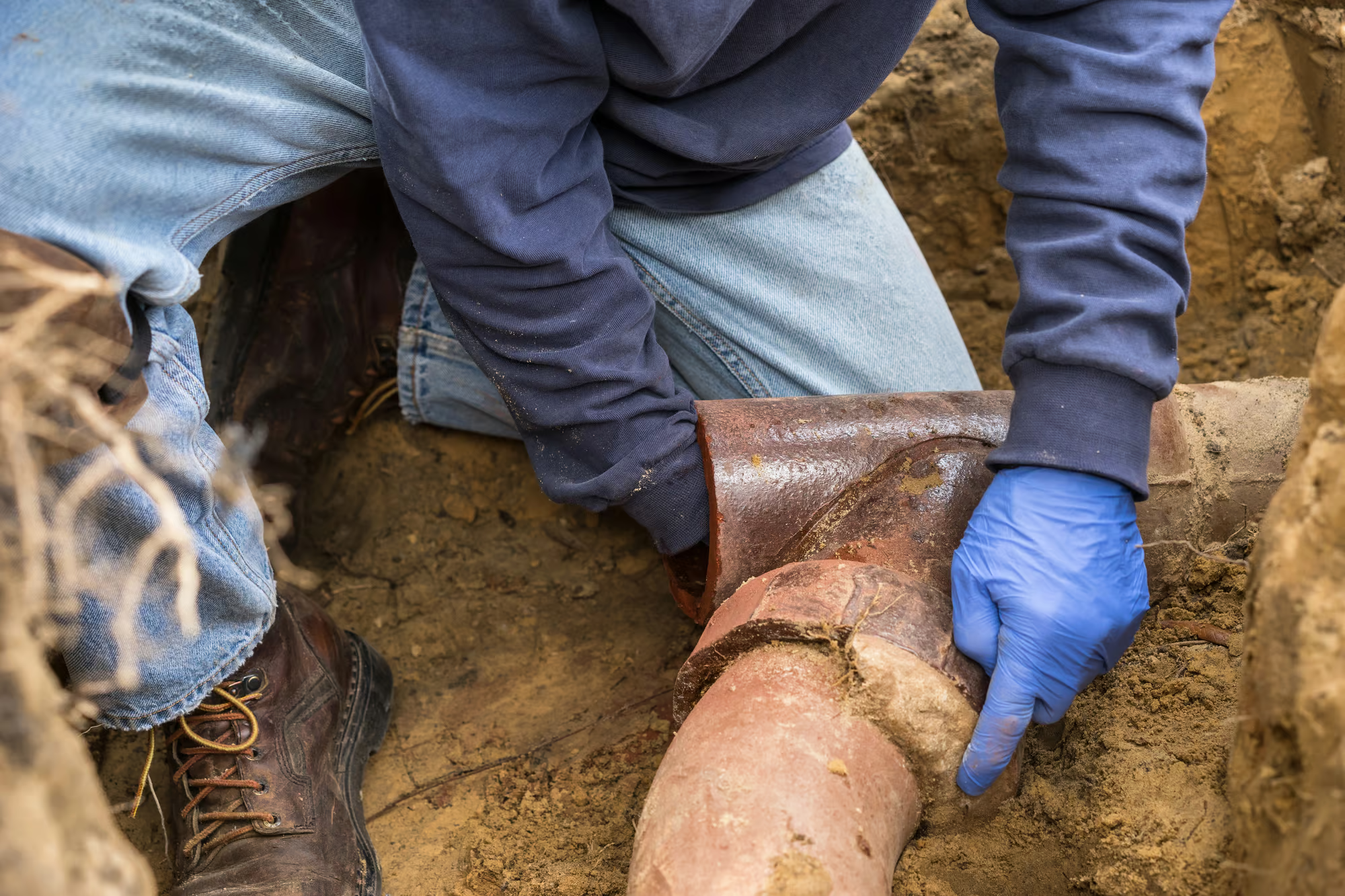
Older homes in Southside Virginia often still have clay, cast iron, or Orangeburg pipe in the ground. Orangeburg is a paper-based pipe wrapped in tar that was common decades ago, and it breaks down and collapses as it ages. [1] Clay cracks. Cast iron rusts and corrodes from the inside out. None of these hold up the way modern PVC does.
Shifting Soil and Ground Movement
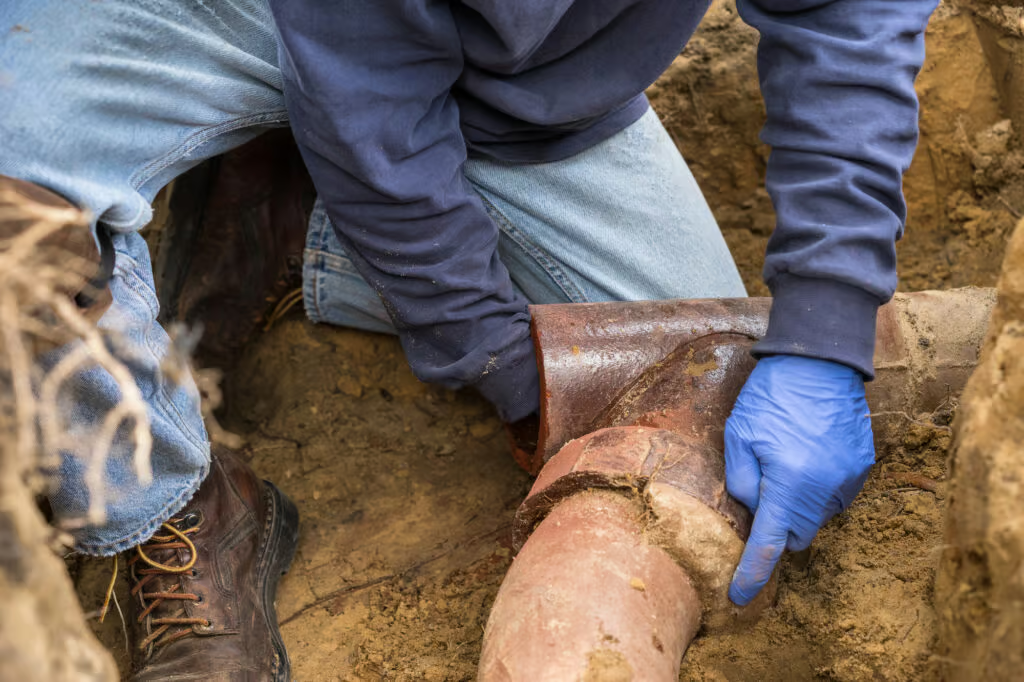
Soil expands and contracts with rain and drought, and that movement puts pressure on pipes buried underneath it. Over years, that pressure separates joints and creates the cracks roots love to find.
Grease, Debris, and Everyday Buildup
Grease, wipes, and hair going down the drain build up on pipe walls the same way plaque builds up in an artery. The pipe still works, but the opening gets smaller and smaller until something backs up.
How Long Does a Sewer Line Really Last?
Lifespan by Pipe Material
It depends a lot on what the pipe is made of.
Swipe the table to see every column ›
| Pipe Material | Typical Lifespan |
|---|---|
| Orangeburg | 30-50 years, often less |
| Clay | 50-60 years |
| Cast iron | 50-100 years |
| PVC | 100+ years |
Why “Age” Isn’t the Only Factor
A 60-year-old clay pipe with no tree roots nearby and stable soil might still be doing fine. A 20-year-old PVC line running under a spot with aggressive root systems or heavy ground shifting can develop problems much sooner. Age gives you a general idea of what’s going on underground, but it doesn’t tell the whole story. Soil type, nearby trees, water usage, and even how well the pipe was installed originally all factor in.
That’s why a homeowner can’t just count years on the calendar and assume everything is fine — or assume the worst, either. It takes a look at the actual pipe to know for sure.
Have a Question About Your Home?
Talk to a real person on our Halifax team. We'll give you a straight answer and an upfront price.
Recognizing the Early Warning Signs
Inside the Home
Slow drains in more than one fixture usually point to something bigger than a single clogged pipe. If the kitchen sink, the bathtub, and the toilet are all draining slowly at the same time, water is having trouble getting through the main line, not just one branch of it.
Gurgling sounds happen when air gets trapped and pushed back up through the pipes because water isn’t flowing freely on its way out. Backups in tubs or sinks, especially ones that show up when the washing machine runs or the toilet flushes, mean wastewater is finding the path of least resistance — and that path is coming back up into the house instead of continuing out.

Outside the Home
A soggy patch in the yard that never quite dries out, especially one with grass that’s greener and thicker than the rest of the lawn, usually means wastewater is leaking underground and acting like fertilizer. Sewage odors near a drain or in a specific spot outside point to the same thing.
Foundation cracks or shifting near where a sewer line runs can also connect back to a leaking pipe, since saturated soil underneath a foundation doesn’t hold weight the same way stable, dry soil does.
Why Southside Virginia Homes Face Unique Challenges
Older Homes with Aging Clay or Cast Iron Lines
A lot of homes across Halifax, Lynchburg, and Danville were built decades ago, back when clay and cast iron were the standard choice for sewer lines. Those pipes have held up for a long time, but they’re getting closer to the end of their expected lifespan every year. Combine that age with mature trees that have had decades to grow root systems near those lines, and it’s a common combination we run into throughout Southside Virginia.
If slow drains or yard odors have you second-guessing what’s going on underground, a quick call to (434) 404-4461 can get you pointed in the right direction.
When to Call a Professional
DIY Warning Signs vs. Signs You Need an Inspection
A single slow drain that clears up with a plunger is usually nothing to worry about. But multiple slow drains, recurring backups, or a soggy spot in the yard that keeps coming back are signs the problem is bigger than something you can fix from the inside of the house. Those situations call for an inspection, not a bottle of drain cleaner.
What a Professional Sewer Inspection Involves
A professional inspection typically means running a camera through the line to see exactly what’s happening underground — where the damage is, what’s causing it, and how bad it’s gotten. That gives you a clear answer instead of a guess, and it means any repair actually targets the real problem instead of a symptom of it. Once a professional knows what they’re dealing with, they can also walk you through a clear cost breakdown before any work begins. [2] [3]
Our team is backed by more than a decade of trusted service to Southside Virginia families, and our plumbing division brings that same commitment to honest assessments rather than pushing work that isn’t needed.

Catching It Early Beats Fixing It Late
A sewer line rarely announces itself until it’s already causing damage. Slow drains, odd smells, a soggy patch that won’t dry out — these are the moments to get it checked, not to wait and see if it gets worse. Our team has helped families throughout Halifax, Lynchburg, and Danville get answers instead of guesses, backed by over a thousand positive Google reviews from neighbors who trusted us with the same kind of problem. If something in your yard or your drains has you wondering what’s really going on underground, give us a call at (434) 404-4461 and let’s find out together.
Common Questions About Sewer Line Damage and Repair
What’s the typical lifespan of a sewer line?
A sewer line’s lifespan depends on its material. Orangeburg pipe typically lasts 30-50 years, clay runs 50-60 years, cast iron holds up 50-100 years, and PVC can last 100+ years. Age alone doesn’t tell the whole story, though — soil conditions, nearby tree roots, and installation quality all play a part too.
What indicates it’s time to replace a sewer line rather than repair it?
Several signs point to a sewer line needing attention. Slow drains in multiple fixtures, gurgling sounds, sewage odors, a soggy or overly green patch in the yard, recurring backups, and foundation cracks near the line all suggest damage underground. A camera inspection is the only way to know whether repair or replacement is the right call.
How much should homeowners budget for sewer line repairs?
This one depends on what’s actually wrong and how the repair gets done. A small root clearing costs a lot less than a full line replacement, and factors like pipe depth, length, and whether we can use trenchless methods versus digging all affect the price. The only way to get a real number is a professional assessment.
Resources
- https://www.apwa-mn.org/news/featured-content/the-rise-and-fall-of-orangeburg-pipe
- https://www.forbes.com/home-improvement/plumbing/sewer-line-repair-replace-cost/
- https://www.angi.com/articles/how-much-does-sewer-line-replacement-or-repair-cost.htm