
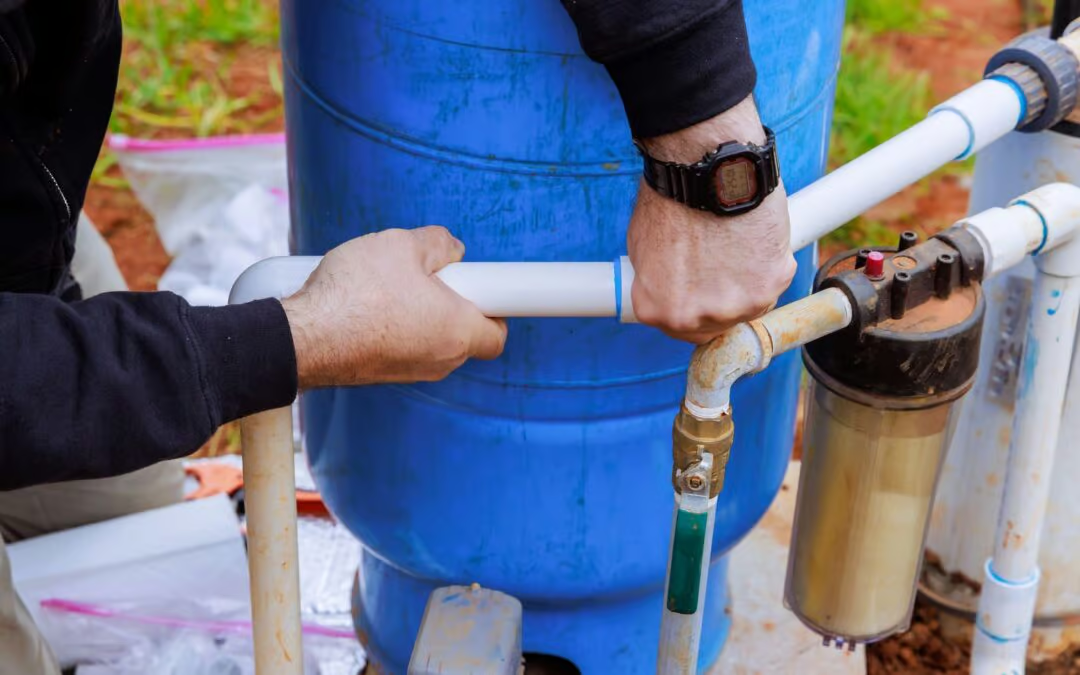
A failing well pump rarely quits without warning. The problem is, most homeowners don’t recognize the signs until it’s too late — and a replacement that could have been planned becomes an emergency.
For rural Halifax County homeowners on well water, that emergency means no water at all. No showers, no laundry, no running faucets — sometimes for days while you wait on a repair crew.
The good news: well pumps give off clear warning signals before they fail. This article walks through 7 of them — covering pressure problems, electrical red flags, and what your pump’s age is actually telling you — so you can make a planned decision, with the help of your local well pump experts, instead of a panicked one.
How Do I Know If My Well Pump Needs to Be Replaced?
Your well pump may need to be replaced if you notice one or more of these warning signs:
- Sudden or gradual drop in water pressure
- Air spurting from faucets
- Unusually high electric bills
- Pump runs constantly and never shuts off
- Visible rust or sediment in your water
- Frequent pressure tank cycling
- Pump is 8–15 years old or older
If you’re experiencing any of these, a professional inspection can confirm whether repair or full replacement is the right call.
Low Water Pressure and What It Actually Means
Sudden or Gradual Pressure Drops
One of the most common signs well pump needs replacement — or at least a serious inspection — is a change in water pressure. But not all pressure problems look the same.
A sudden drop usually points to something acute: a failing pump motor, a tripped breaker, or a broken component. Gradual pressure loss is a different story — it creeps up over weeks or months. You might notice your shower doesn’t feel as strong as it used to, or it takes longer to fill a pot at the kitchen sink. That kind of slow decline could indicate wear on internal components, partial motor failure, or sediment buildup restricting flow. Both are worth a professional look.
According to the Water Systems Council at wellowner.org, regular inspection of your well system is the most reliable way to catch pressure issues before they escalate into full failure.
Air Spurting from Faucets
If air is sputtering out of your faucets alongside water — especially intermittently — that’s your well system trying to tell you something.
Air in the lines often means the pump is drawing from a depleted water table, or that there’s a compromised intake somewhere in the system. Occasional sputtering is an early warning sign. Persistent air coming through your faucets is more urgent and warrants a call sooner rather than later.
Rust, Sediment, or Discolored Water
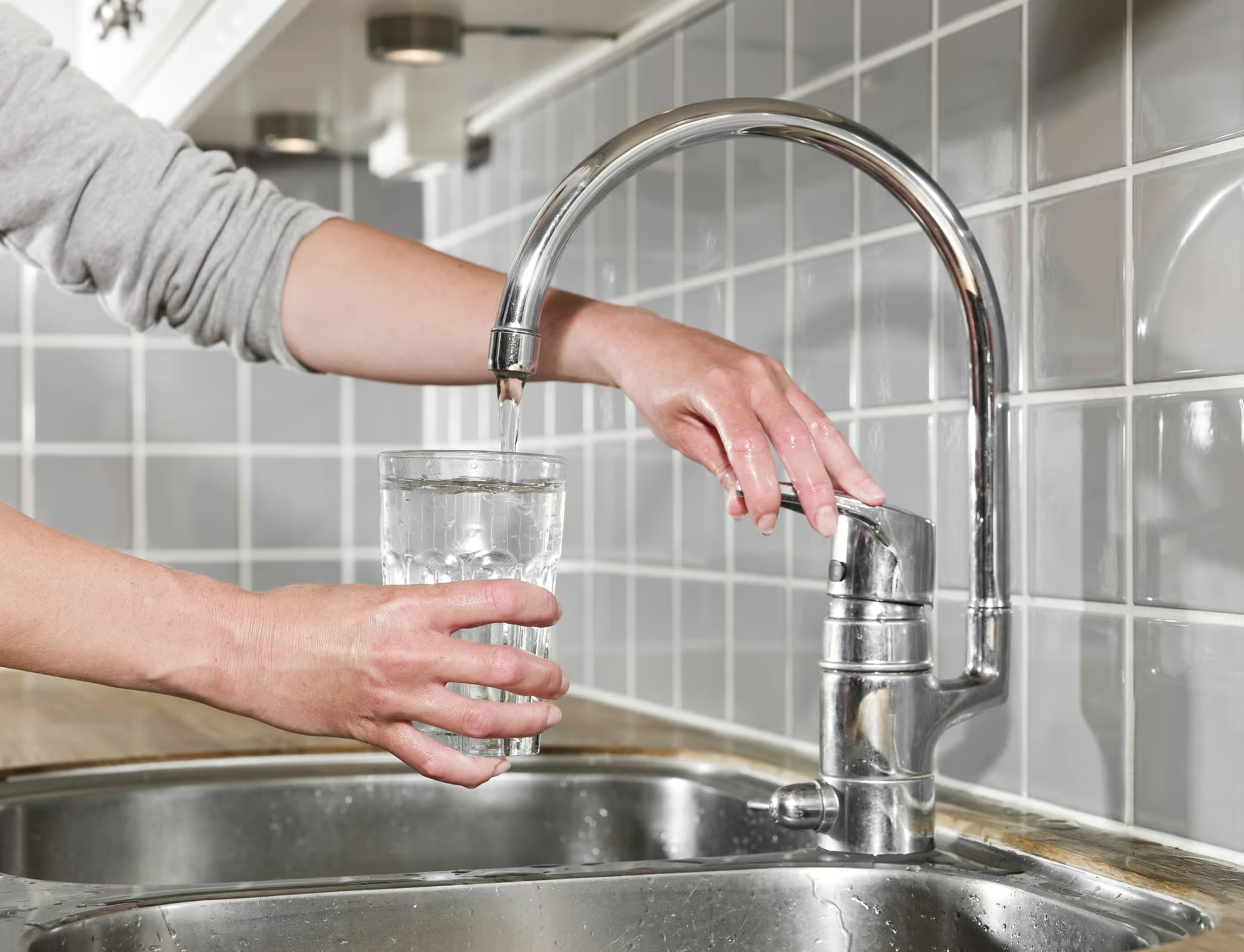
Changes in your water’s color or clarity can point directly to what’s happening inside your pump:
- Rust-colored water could indicate corrosion inside the pump casing
- Increasing sediment over time often signals deteriorating components making their way into your water supply
- General discoloration doesn’t always mean the pump is the culprit — sometimes the well itself needs service — but either way, it warrants attention
If you’ve already been dealing with hard water and noticing your appliances taking a beating, a change in water quality is an extra reason to get your well system checked sooner rather than later. [1] The EPA’s drinking water resources offer useful guidance on what different types of discoloration can indicate and when water quality warrants testing. [2]
Already noticing pressure changes or water quality issues at your Halifax County home? Solutions Heating & Cooling serves Halifax County and all of Southside Virginia — give us a call at (434) 404-4461.
Electrical Warning Signs You Shouldn’t Ignore
Pump Runs Constantly and Won’t Shut Off
A healthy well pump cycles on and off. It builds pressure, shuts down, and waits until pressure drops before kicking back on. What’s not normal is a pump that runs and runs without ever shutting off.
Continuous running typically means the pump can’t build adequate pressure — often because of worn internal components or a motor that’s on its way out. A pump that never cycles down isn’t just a warning sign, it’s actively accelerating its own failure while driving up your electric bill the entire time.
Unexplained Spikes in Your Electric Bill
Sometimes the first sign of a failing well pump shows up on your utility bill before it shows up at the faucet.
Well pumps are one of the higher draw appliances in a rural home. When a pump starts struggling to maintain pressure, it consumes more energy. [3] You might notice your bill creeping up without any obvious explanation — you haven’t changed your habits, nothing else in the house is different. For Halifax County homeowners watching household costs, that utility bill can actually be one of the earliest detection tools you have.

Frequent Pressure Tank Cycling
This one you might hear before you notice it anywhere else.
If you can hear your pump turning on and off every few seconds while running a faucet, that’s short-cycling — and it’s worth taking seriously. It puts serious stress on the pump motor and typically signals either a waterlogged pressure tank or a pump that’s struggling to keep up. Left unaddressed, short-cycling wears out your pump motor far faster than normal use would.
Any one of the electrical signs above is worth paying attention to on its own. But they take on a different weight when you factor in how old your pump actually is — which is exactly what the next section covers.
How Age and Usage Affect Pump Lifespan
Most submersible well pumps have a generally cited lifespan of 8–15 years — though usage volume, maintenance history, and water quality all affect how a pump ages. Hard water, in particular, accelerates wear on internal components, which is something a lot of Halifax County homeowners on well water are already dealing with.
Age alone isn’t a reason to replace a pump that’s running fine. But if your pump is approaching or past that 8–15 year mark and you’re noticing any of the warning signs above, the math shifts. What might’ve been a repair conversation at year seven becomes a much stronger replacement case at year twelve.
A professional inspection takes the guesswork out of the repair vs. replace decision and gives you an honest picture of what your well system actually needs — so you’re making a planned choice, not reacting to a failure.
Ready to Get a Straight Answer About Your Well Pump?
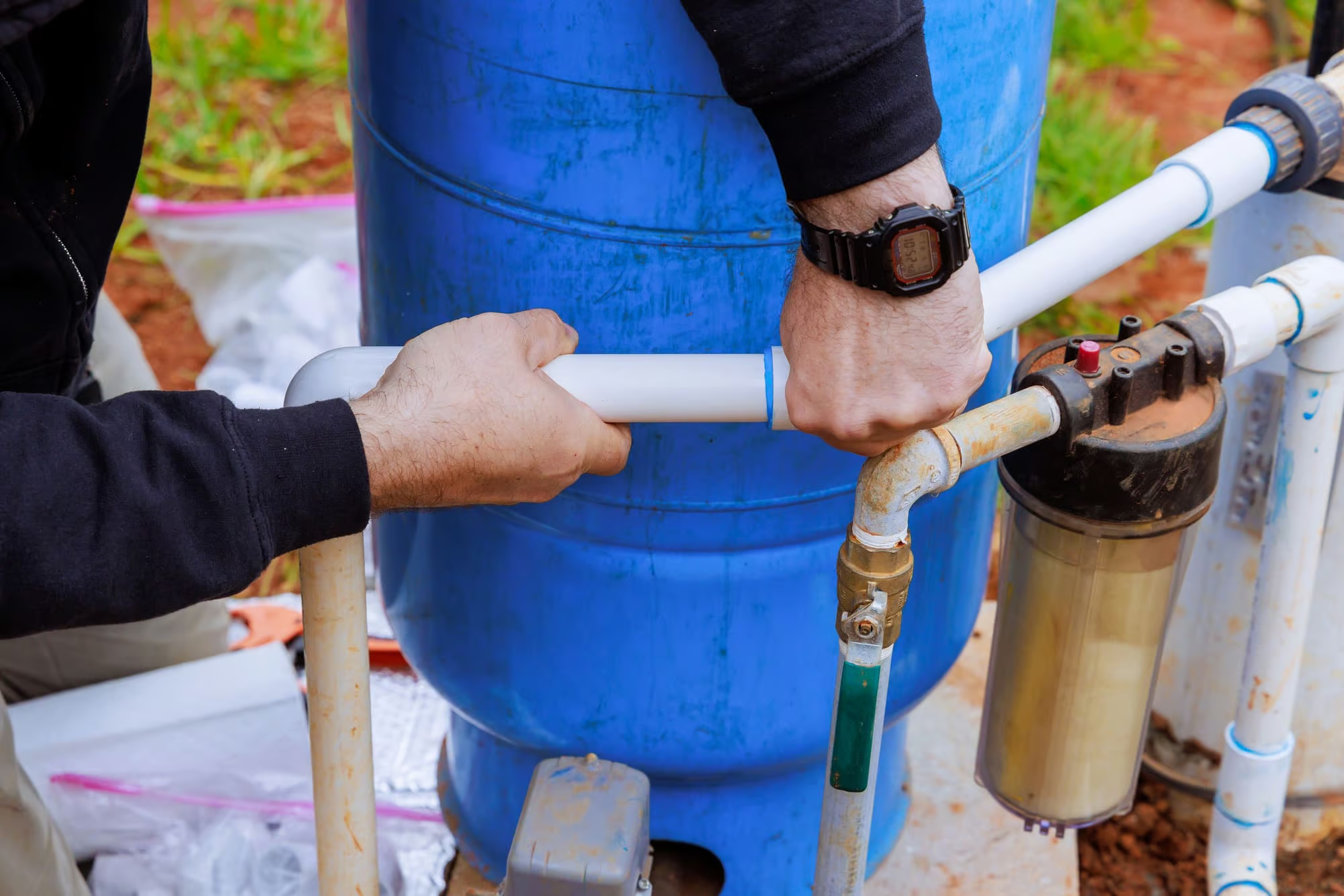
If any of the signs in this article sound familiar, Solutions Heating & Cooling is here to help you figure out the next step. We’ve been serving Halifax County and Southside Virginia since 2015, and our team knows well systems — not just city plumbing. Whether it’s a repair or a full well pump replacement, you’ll get an honest assessment and clear guidance before any work begins.
Call us at (434) 404-4461. We serve Halifax County and all of Southside Virginia, and we’re not hard to reach.
Well Pump Warning Signs: Your Questions Answered
How can I tell when my well pump is starting to fail?
Several warning signs point to a well pump that’s starting to fail. These include dropping water pressure, air sputtering from faucets, rust or sediment in your water, a pump that won’t shut off, short-cycling, unexplained spikes in your electric bill, and a pump that’s 8–15 years old or older. Any one of these is worth a professional look before failure becomes an emergency – call (434) 404-4461.
What’s the typical lifespan of a well pump?
Most submersible well pumps last somewhere between 8 and 15 years, though that range shifts depending on how much you use the system, your maintenance history, and your water quality. Hard water accelerates wear on internal components, so pumps in areas with hard water may age faster. A pump approaching that range showing other warning signs is a strong replacement candidate.
What should I look for to know if my well pump needs to be replaced?
Knowing if your well pump needs replacing comes down to watching for the right warning signs — low or dropping water pressure, air in the faucet lines, discolored or sediment-heavy water, constant pump running, short-cycling, and higher-than-normal electric bills. Pump age matters too. A professional inspection will confirm whether repair or replacement makes more sense given what you’re seeing.
Resources
- https://wellowner.org/resources/water-well-maintenance/annual-inspection/
- https://www.epa.gov/sdwa/secondary-drinking-water-standards-guidance-nuisance-chemicals
- https://www.pumpsandsystems.com/pump-failure-causes-modes-prevention-strategies