
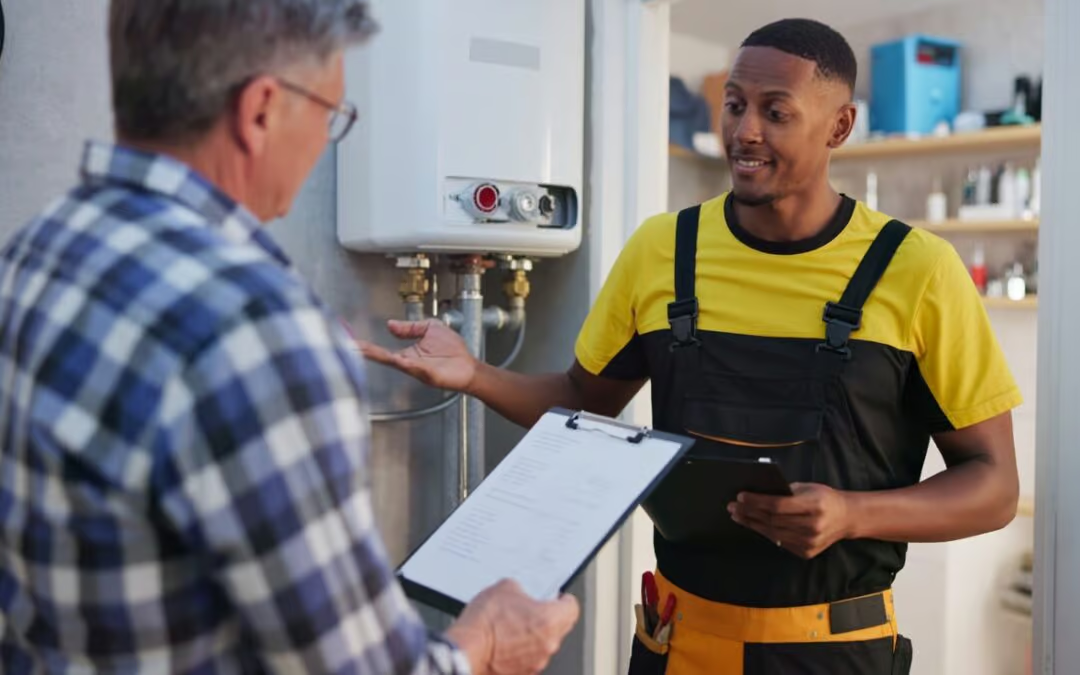
Your water heater was fine yesterday. Today, you’re standing in a cold shower wondering what changed — and whether you’re looking at a straightforward water heater repair or a full replacement.
That uncertainty is frustrating, especially when you don’t know where to start. This article walks through the most common reasons a water heater not producing hot water stops doing its job, how tank and tankless systems fail differently, and how to make the repair vs. replace call without second-guessing yourself.
No alarmism, no pressure — just honest information so you can figure out what makes sense for your home.
Why is my water heater not producing hot water?
Common reasons a water heater stops producing hot water:
- Faulty heating element — electric units have two; if one fails, you may get lukewarm water instead of none at all
- Tripped circuit breaker or blown fuse — cuts power to the unit before the water ever heats
- Pilot light out or faulty thermocouple — gas units won’t heat if the pilot won’t stay lit
- Thermostat set too low or failed — the unit may be running, just not reaching the right temperature
- Sediment buildup — mineral deposits collect at the bottom of the tank and reduce heating efficiency over time
- End of useful life — water heaters that are 10–15+ years old may simply be past the point of reliable performance
Common Causes of a Water Heater That Stops Heating
Electric Water Heater Problems
Electric water heaters rely on two heating elements — one near the top of the tank, one near the bottom. If the lower element fails, you might still get a little hot water, but not enough for a full shower. If the upper element goes, you may get none at all.
A tripped circuit breaker is worth checking first. Sometimes a simple reset is all it takes. If the breaker keeps tripping, though, that usually points to a failed thermostat or element drawing too much current — something a technician needs to look at.
Gas Water Heater Problems
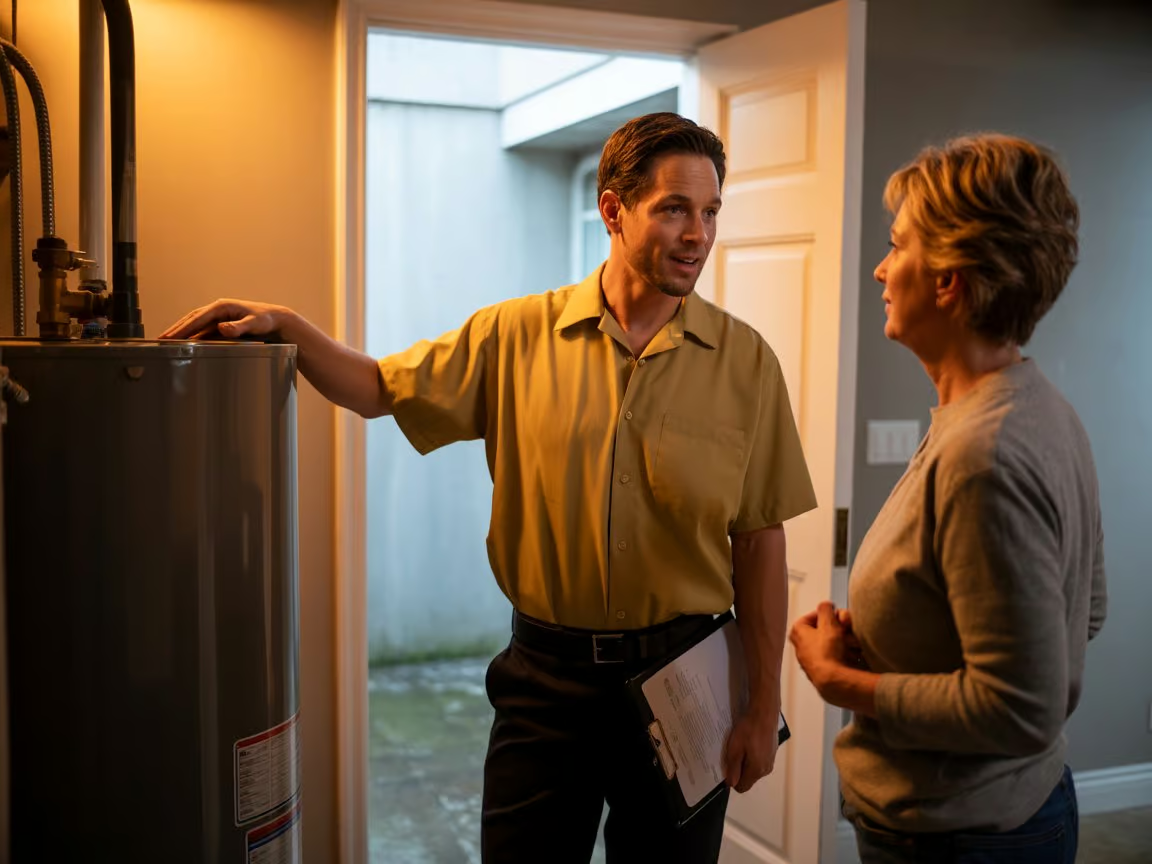
On a gas unit, a pilot light that won’t stay lit is one of the most common culprits. Most of the time, the problem is the thermocouple — a small safety device that detects whether the pilot is burning. When it fails, it shuts off the gas supply as a precaution. It’s a relatively inexpensive repair.
If the pilot stays lit but the water still isn’t heating, the gas valve is worth having a technician check. Gas supply issues are less common but worth ruling out.
Problems Both Types Share
No matter what type of unit you have, sediment buildup is a slow, quiet problem that compounds over time. [1] Minerals from your water supply settle at the bottom of the tank, forcing the unit to work harder to heat the same amount of water.
For Halifax County homeowners on well water, this process happens faster — and it doesn’t just reduce efficiency. It shortens the life of the tank.
A failed thermostat can affect both electric and gas units, and it’s easy to miss because the unit may still appear to be running normally. The U.S. Department of Energy recommends regular tank flushing to manage sediment — especially in homes with hard or mineral-rich water.
Tank and tankless systems don’t always fail the same way, though. If you have a tankless unit, the diagnostic process looks a little different.
Tank vs. Tankless: Different Culprits, Same Problem
What Goes Wrong With Tank Water Heaters
A traditional tank water heater usually gives you warning signs before it quits completely.
Rust-colored water from your hot tap is one of the clearest. It typically means the anode rod — a metal rod inside the tank designed to attract corrosion — has been depleted, and the tank itself has started rusting from the inside. At that point, you’re not dealing with a component failure. You’re dealing with a tank that’s breaking down.
Rumbling or popping sounds are another red flag — that’s sediment at the bottom of the tank getting disturbed as the water heats. On well water with higher mineral content, this buildup accelerates faster than it would on city water. Regular flushing slows it down, but once corrosion sets in, it can’t reverse it.
What Goes Wrong With Tankless Water Heaters
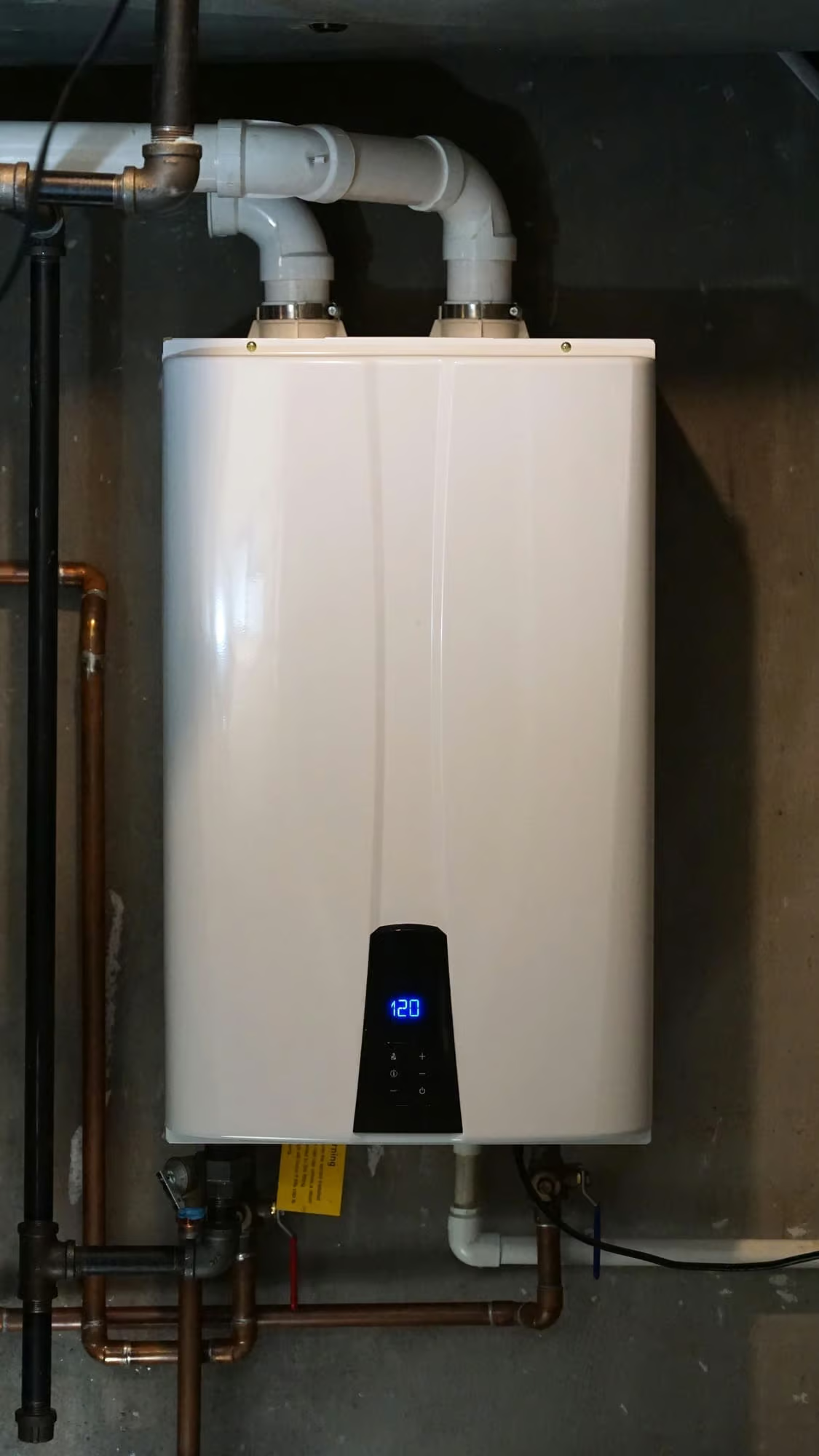
Tankless units heat water on demand, which makes them more energy efficient — but they’re more sensitive to hard water than most homeowners expect. The heat exchanger, which heats the water as it passes through the unit, is vulnerable to mineral scale buildup. [2] When scale accumulates, flow rates drop and you start getting inconsistent temperatures or error codes on the display. Most manufacturers recommend periodic descaling to keep the heat exchanger clear — on well water, that maintenance becomes even more important.
Flow sensor failures are another common issue. If the unit doesn’t detect enough water moving through it, it won’t fire at all — and if you’re on well water running a tankless unit, it’s worth talking to your plumber about a maintenance schedule before it becomes a no-hot-water situation.
Now that you have a better sense of what went wrong, the harder question is what to do about it.
When a Repair Is Enough — and When It’s Time to Replace
Signs a Repair Makes Sense
If your unit is under 8 years old and you’re dealing with a single failed part — a heating element, a thermocouple, a thermostat — repair is almost always the right call. The unit still has life left, and replacing one component costs a fraction of a new installation.
Every situation is a little different, though. The right answer depends on the age of your unit, what’s failed, how much the repair will run, and what your goals are for the home. A good plumber won’t hand you a formula — they’ll look at your specific setup and give you a straight answer.
Not sure which way to go? Solutions Heating & Cooling gives honest assessments with no pressure — call (434) 404-4461.
Signs It’s Time to Replace
- Unit is 10–15+ years old
- You’ve had multiple repairs in the past 12 months
- Water from the hot tap is rust-colored
- You’re hearing rumbling or popping sounds from the tank
- There’s visible corrosion on the unit or water pooling at the base
If your water heater is 12 years old and starting to act up, that’s not a reason to panic — but it is exactly the right time to be asking these questions. [3] Replacing on your own timeline is always less disruptive and less expensive than an emergency replacement after the tank fails.
Solutions Heating & Cooling handles both traditional and tankless water heater replacements, and they’ll give you an honest read on which direction makes sense for your home.
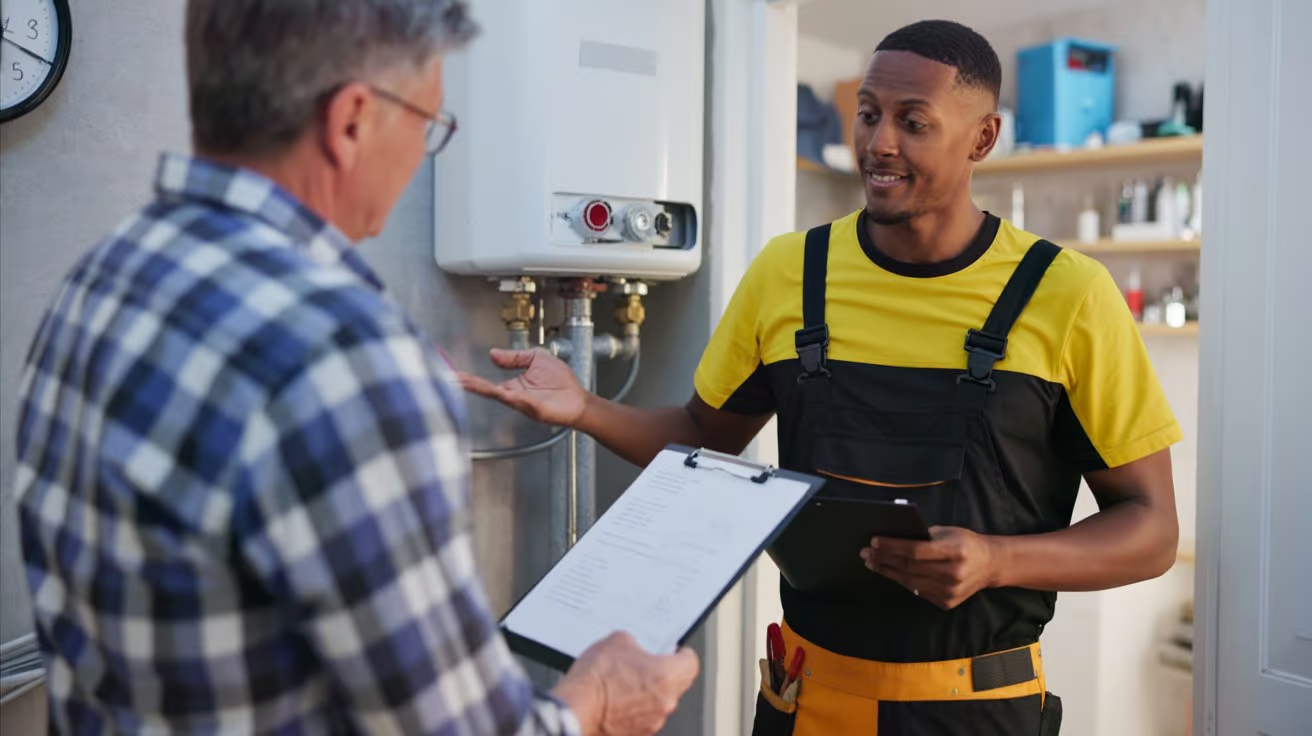
Ready to Stop Guessing? We’re Here to Help.
You did the right thing by looking into this before picking up the phone. Now you know what’s likely going on, how tank and tankless systems fail differently, and what separates a repair worth making from a replacement that’s overdue.
Solutions Heating & Cooling has been serving Halifax County and Southside Virginia for over a decade, with real experience in well water systems and rural properties. Whether you need a water heater repair or a full replacement — traditional or tankless — they’ll tell you what your home actually needs.
Call (434) 404-4461 to schedule your plumbing assessment.
Water Heater Not Producing Hot Water? Common Questions, Straight Answers
What causes a water heater to stop supplying hot water?
Several issues can cause a water heater to stop supplying hot water, including a faulty heating element, a tripped circuit breaker, a pilot light that won’t stay lit, a failed thermocouple, a thermostat set too low or failed altogether, sediment buildup reducing heating efficiency, or a unit that has simply reached the end of its useful life. Call us at (434) 404-4461 if you’re not sure where to start.
What causes a gas water heater pilot light to keep going out?
When a gas water heater’s pilot light won’t stay lit, the thermocouple is usually to blame. The thermocouple is a small safety device that detects whether the pilot is burning — when it fails, it shuts off the gas supply as a precaution. It’s a relatively inexpensive repair, and our team can take care of it quickly.
How do I decide whether to repair or replace a failing water heater?
Deciding whether to repair or replace comes down to the age of the unit, what failed, what the repair will cost, and your goals for the home. If the unit is under 8 years old and only one component has failed, repair is almost always the right call. If it’s 10-plus years old, has needed multiple repairs recently, or is showing rust or corrosion, replacement usually makes more sense.
Resources
- https://www.bobvila.com/articles/how-long-does-a-water-heater-last/
- https://www.pmmag.com/articles/102492-preventing-scale-damage-in-tankless-water-heaters
- https://www.nachi.org/lifespan-water-heater.htm